 AGreenNest
Succulent Care
Graptoveria Care: Fred Ives, Opalina & Debbie
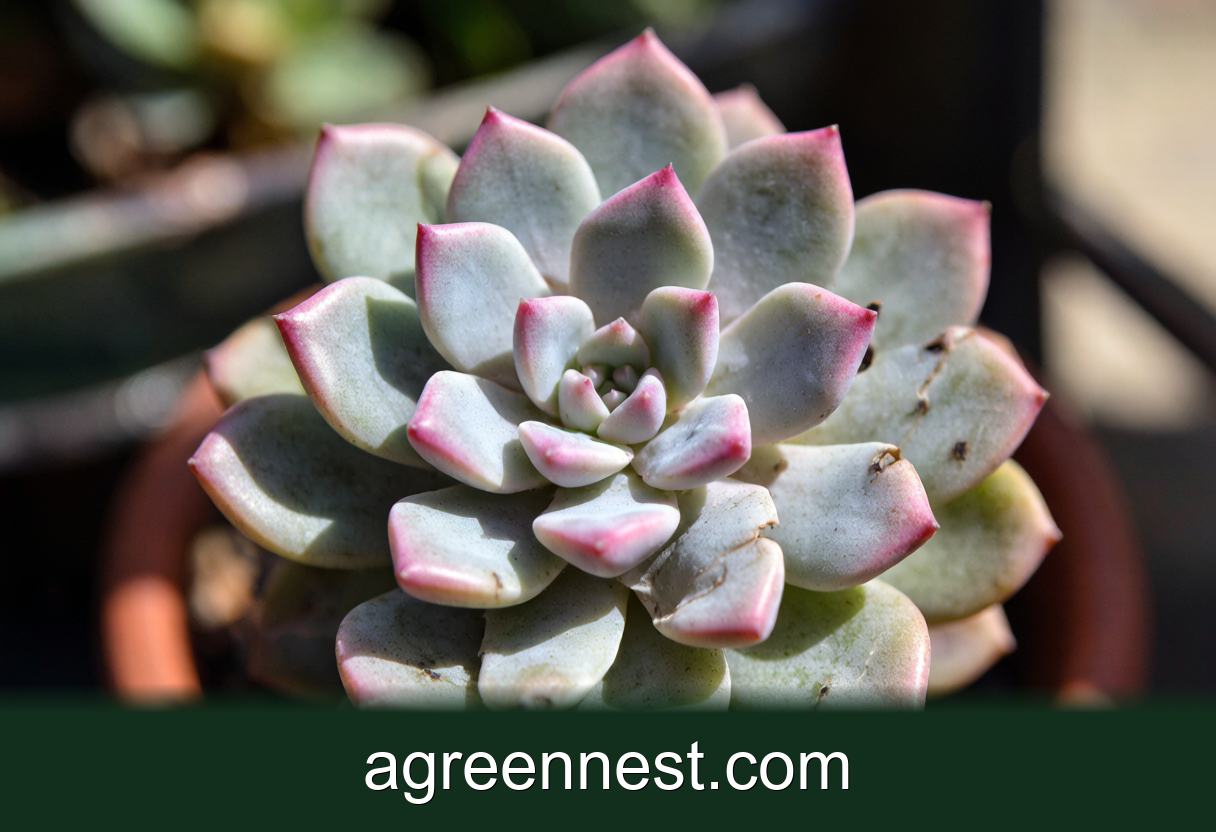
The secret to a happy Graptoveria is restraint. Place it in bright, indirect light (a south or east windowsill is ideal), then wait until the soil is bone dry before watering (14 days between waterings). Use a lean, sandy soil and a porous pot so excess moisture escapes fast and rot never gets started.
Graptoveria hybrids are some of the easiest rosette succulents you can grow indoors. They blend the best traits of Graptopetalum and Echeveria into chunky, colourful plants such as Graptoveria 'Fred Ives', Graptoveria 'Opalina', and Graptoveria 'Debbie'.
What Is a Graptoveria?
A Graptoveria is a man-made cross between the genera Graptopetalum and Echeveria. The result is a forgiving succulent with rounded, powdery leaves arranged in a tight rosette that can shift colour with the seasons. I fell for them the moment a Graptoveria 'Fred Ives' turned from grey green to deep plum on my sunny kitchen sill, and I have not stopped collecting since.
Popular Varieties
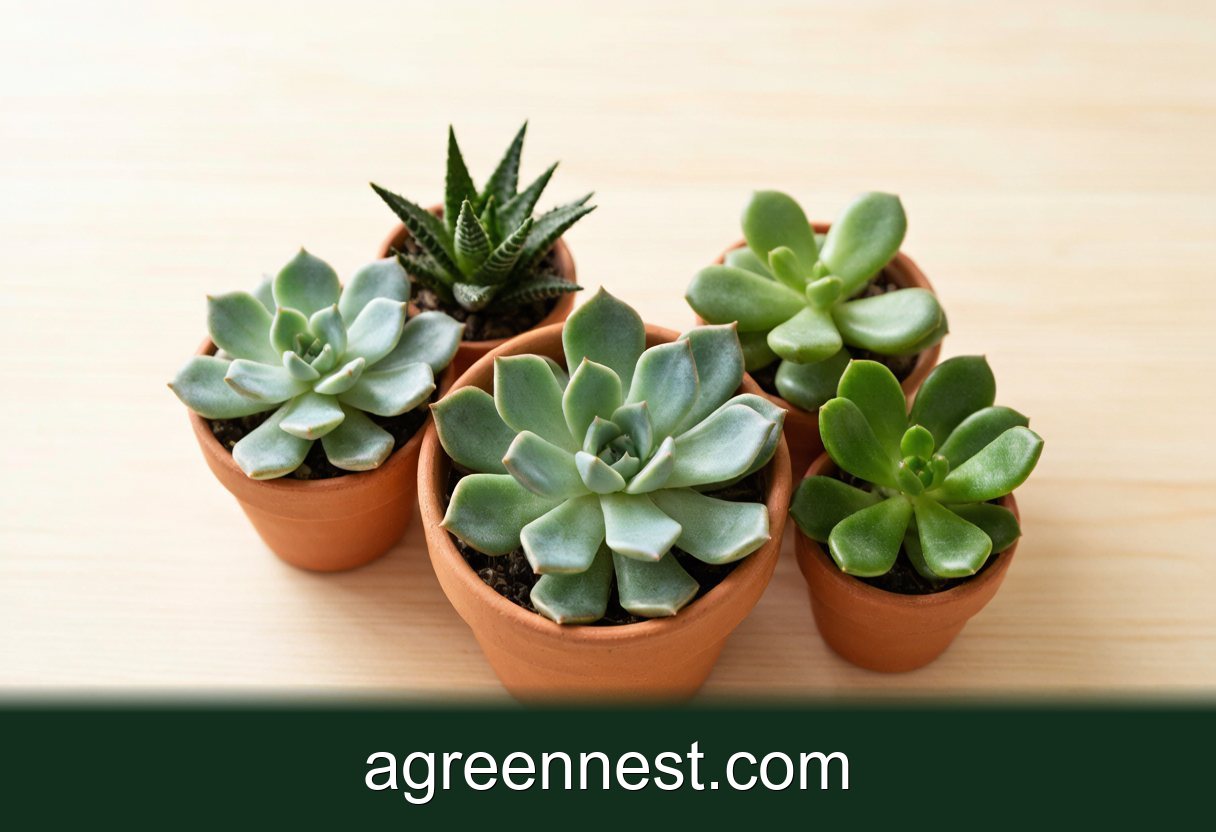
Graptoveria 'Fred Ives' is the strongest grower, showing pink, purple, and grey tones under bright light. Graptoveria 'Opalina' stays smaller with a soft blue-green blush, and Graptoveria 'Debbie' turns a vivid lilac-pink when it gets enough sun. All three share the same simple care routine, which makes them perfect for a mixed bowl on one windowsill.
Why Beginners Love Them
These hybrids tolerate a missed watering and bounce back from minor neglect. They also produce plenty of offsets and leaves, so you can build a whole collection from one parent plant. My first Graptoveria 'Opalina' gave me nine baby rosettes in a single spring, which I gifted to friends.
Light Requirements
Give your Graptoveria at least 6 hours of bright light each day. A south or west window is ideal, and a few hours of gentle morning sun keeps the colours vivid. I keep mine on a west sill where they get soft afternoon light without the harshest noon rays.
Signs of Too Little Light
If the rosette stretches and the leaves spread apart, the plant is reaching for light. Move it closer to the window or add a grow light for 10 to 12 hours a day. Pale colour is the first warning sign, long before any stretching appears.
How Often Should I Water a Graptoveria?
Water your Graptoveria every 10 to 14 days during the active growing season from spring through early autumn. Soak the soil thoroughly, then let it dry completely before the next drink. A small Graptoveria 'Debbie' in a 7 cm pot drinks about 30 ml at a time, which is far less than people expect.
How to Tell It Is Time
Use a wooden skewer or a moisture meter to check two inches down. If it comes out dry, water; if it feels cool or damp, wait a few more days. I water by the skewer method and have not lost a single rosette to rot in three years.
Winter Rest
In winter, growth slows and you should cut back to watering roughly every 3 to 4 weeks. Overwatering during dormancy is the number one cause of rot, so when the light drops, the watering can should rest too. My plants sit dry for most of January and look none the worse for it.
Soil and Potting
Plant Graptoveria in a gritty, fast-draining mix built for succulents. A blend of two parts mineral grit to one part potting soil prevents the roots from sitting in moisture. I mix my own with coarse sand, pumice, and a little coco coir for hold.
Choosing the Right Pot
A shallow terracotta pot with a drainage hole is perfect. Terracotta wicks away extra water and matches the dry conditions these rosettes love. Glazed pots look pretty but hold moisture far longer, so I reserve them for plants I watch closely.
Temperature and Humidity
Keep Graptoveria in a comfortable range of 60 to 80°F (16 to 27°C). They handle normal household humidity without fuss and dislike stuffy, wet air. A Graptoveria 'Fred Ives' on my bathroom shelf looked unhappy until I moved it to the drier living room.
Protecting From Cold
Bring plants indoors if nighttime temperatures drop below 50°F (10°C). Frost will damage the fleshy leaves within hours, and the damage cannot be reversed. I keep a thermometer by the window so I know exactly when to act.
Propagation
Graptoveria is wonderfully easy to multiply. You can grow new plants from both offsets and individual leaves, which makes it a favourite for sharing with friends.
Offsets
Look for small rosettes forming at the base of the mother plant. Slip a clean knife between them, let the cut dry for a day, then pot them up in dry gritty soil. Within a month you should see fresh roots reaching into the mix.
Leaf Propagation
Gently twist a healthy leaf from the stem so the base stays intact. Lay it on dry soil for a week, then mist lightly every few days until a tiny rosette appears at the callused end. My kitchen windowsill became a nursery of dozens of leaf starts one spring.
Feeding
Graptoveria is a light feeder that asks for very little once it is settled. During the spring and summer growing months, apply a balanced liquid fertilizer diluted to one-quarter strength about once a month. A teaspoon of fertilizer in 4 litres of water is a ratio I trust.
Skip feeding entirely in autumn and winter when the plant is resting. Too much nitrogen makes the leaves soft and prone to rot, so when in doubt, feed less rather than more. A gritty succulent soil mix already holds enough trace minerals for steady, healthy growth.
Common Problems
Mushy, translucent leaves mean too much water; pull back and let the soil dry. Pale, stretched growth means too little light; move the plant brighter. Mealybugs hide in the rosette centre, so check weekly and dab them with rubbing alcohol on a cotton swab.
Frequently Asked Questions
Q: How often should I water a Graptoveria?
A: Water every 10 to 14 days in the growing season once the soil is fully dry, and about every 3 to 4 weeks in winter.
Q: What kind of light does Graptoveria 'Fred Ives' need?
A: Give it at least 6 hours of bright light daily, including some morning sun, to keep its pink and purple colours strong.
Q: Is Graptoveria safe for pets?
A: These hybrids are generally considered non-toxic, but keep them out of reach so a curious pet does not knock the pot over.
Graptoveria hybrids are a perfect first succulent because they forgive mistakes and multiply freely. Explore the rest of our succulent care hub for more beginner guides, and use our free light calculator to find the brightest spot in your home.
Recommended Tools for Succulent Care
Free, no-signup helpers matched to this guide.
Free Ebooks to Explore
Downloadable handbooks — no email required.
Free Ebook
The AGreenNest Succulent Care Handbook
The complete, beginner-to-confident guide to growing fat, happy succulents — 10 chapters and a 20-plant directory.
Free Ebook
Haworthia & Haworthiopsis Care Handbook
A focused guide to the striped, forgiving Haworthia clan.
Sources & further reading
GreenNest authors research and write every guide independently. The external links below are reputable references we recommend for deeper reading — they are not the sources we copied from.
- Clemson Home & Garden Information Center — Clemson Extension
- Royal Horticultural Society — Houseplant care — RHS
- Aggie Horticulture (Texas A&M) — Texas A&M AgriLife
Share Your Plant Story
Grown something tricky, or found a trick that finally worked? Tell us in the comments, or see what other readers are sharing on our Community page. The best reader tips get folded back into our guides.
Join the Conversation
Have a tip or a question about Graptoveria Care: Fred Ives, Opalina & Debbie? Share it below — comments are saved on our server.