 AGreenNest
Low-Light Indoor Plants
Lucky Bamboo Care Guide (Dracaena sanderiana)
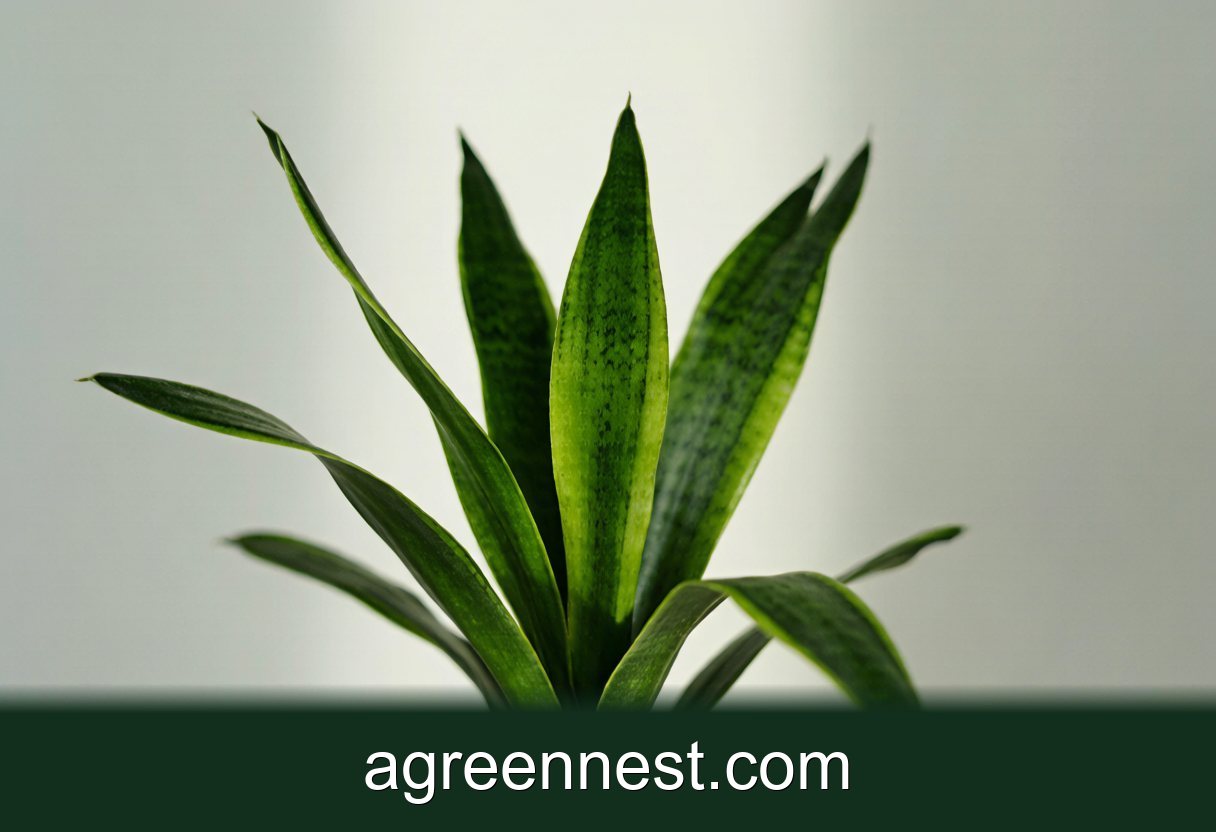
Lucky Bamboo Care Guide (Dracaena Sanderiana) is built for dim rooms. It tolerates bright, indirect light and actually suffers in hot direct sun. Water when the top 2-3 cm of soil feels dry (21 days between waterings), and keep humidity modest. A north or east window, or a few feet back from a bright one, is the sweet spot.
Why Lucky Bamboo Fits Dim Rooms
A decade ago a colleague handed me a single stalk of lucky bamboo in a jam jar, and it outlived every fussy fern I owned that year. Despite the name, this is no bamboo at all but a member of the genus Dracaena, specifically Dracaena sanderiana, a slender perennial also traded as Dracaena braunii and native to the forests of west and central Africa. The canes twist and tier naturally, which is why shops sell it braided into lucky shapes.
Most low light corners defeat ordinary houseplants, yet this one stays green on a north windowsill or three feet back from a bright one. The leaves prefer indirect light and actually scorch in hot direct sun, so a dim room is its comfort zone. Many people grow it in a vase of water with pebbles, which removes the soil mess entirely. Shop shelves often braid several canes together for good fortune, though a single straight stalk grows just as willingly.
Does Lucky Bamboo really need soil?
Not at all, and this flexibility is its great charm. You can root it in a glass of water changed every month, or plant it in a free draining houseplant mix, whichever suits your shelf. I keep some stalks in water for the kitchen and others in pots for the bedroom, and both thrive.
If you choose water, use filtered or rainwater because tap chlorine can yellow the leaf tips. Three or four pebbles per stalk hold the cane upright and look tidy. For soil grown plants, a peat free blend with added perlite drains fast and prevents the soggy base that causes decline.
How often should I change the water or water the soil?
In water, swap the liquid every twenty eight to thirty days and rinse the pebbles to remove slime. In soil, wait until the top two to three centimetres feel dry, then water lightly, which in my home means roughly every twenty one days through spring and summer. Winter slows the plant, so the interval lengthens to about thirty five days.
A missed change rarely harms a water grown stalk, but stale water breeds odour and algae. Dogs and cats must not chew the leaves, since the sap can irritate their mouths. After soil watering I pour off any standing liquid from the saucer so the roots stay fresh.
What light keeps Lucky Bamboo happy?
Low to bright indirect light is the sweet spot, and a north or east window is ideal. I keep mine two feet from a bright south window behind a sheer curtain, where it gets soft filtered glow without the burning midday beam. Because the plant evolved under a forest canopy, it reads direct sun as a threat.
Too much light bleaches the leaves pale yellow, while too little makes the canes lean toward the room. Rotate the pot a quarter turn each week so growth stays even. A fluorescent desk lamp left on for ten hours also keeps a basement specimen content.
Temperature, Humidity, and Placement
Comfortable room temperatures between 60 and 85°F, or 16 to 29°C, suit lucky bamboo perfectly, with a slight drop at night doing no harm. My plant enjoys the humidity from a nearby kitchen sink, and a pebble tray raises moisture around the leaves during dry winters. Because it dislikes cold drafts, I keep it away from frequently opened doors.
Avoid spots below 50°F, since a night near 45°F, about 7°C, can curl the leaf edges. If your heating makes the air very dry, mist the foliage every third day. Place the container where passing breezes from fans will not buffet the slender canes. Feed a water grown stalk with a single drop of liquid fertiliser every two months, because too much food yellows the lower leaves.
Can I propagate Lucky Bamboo at home?
Yes, and it is almost embarrassingly easy with a clean cut. I take a ten centimetre tip with at least one node, let the wound dry for a day, then stand it in water until roots show, usually within two to three weeks. Once roots reach two centimetres, I move the cutting to soil or leave it in the vase.
Dusting the cut end with a one to eight rooting hormone to talc blend speeds things along, though the plant roots without help. Few projects reward a beginner faster, and a single cane can become a whole arrangement within a season.
Which signs mean something is wrong?
Yellow lower leaves often mean stale water or too much fertiliser, so refresh the liquid and skip feeding for a month. Mushy brown canes signal rot from cold or overwatering, and you should cut above the soft section immediately. Pale washed out foliage tells you the light is too strong, so shift the pot back from the window.
Brown leaf tips usually trace to fluoride in tap water or dry air. I switch to rainwater and mist daily through winter. Spider mites sometimes appear on dry plants, and a weekly wipe with a one to four neem to water mixture keeps them in check.
Frequently Asked Questions
Q: Is Lucky Bamboo safe around pets?
A: No, the leaves can irritate cats and dogs if chewed, so display it where animals cannot reach the canes.
Q: Can Lucky Bamboo live in pure water forever?
A: Yes, provided you change the water monthly and add a drop of liquid feed every two months.
Q: Why are the leaf tips turning brown?
A: Brown tips usually mean fluoridated tap water or dry air, so switch to rainwater and raise humidity.
Lucky bamboo has become my go to gift for friends with dark flats, because it asks so little and gives so much green. Try our free watering calculator and the light calculator to tune care to your space. With a jar, a few pebbles, and a little patience, you may soon have a small forest of canes brightening the dimmest corner.
Sources & further reading
GreenNest authors research and write every guide independently. The external links below are reputable references we recommend for deeper reading — they are not the sources we copied from.
- Royal Horticultural Society — Houseplant care — RHS
- NC State Extension — Plant Toolbox — NC State Extension
- Missouri Botanical Garden — Missouri Botanical Garden
Recommended Tools for Low-Light Indoor Plants Care
Free, no-signup helpers matched to this guide.
Free Ebooks to Explore
Downloadable handbooks — no email required.
Share Your Plant Story
Grown something tricky, or found a trick that finally worked? Tell us in the comments, or see what other readers are sharing on our Community page. The best reader tips get folded back into our guides.
Join the Conversation
Have a tip or a question about Lucky Bamboo Care Guide (Dracaena sanderiana)? Share it below — comments are saved on our server.