 AGreenNest
Low-Light Indoor Plants
Dragon Tree Care Guide (Dracaena marginata)
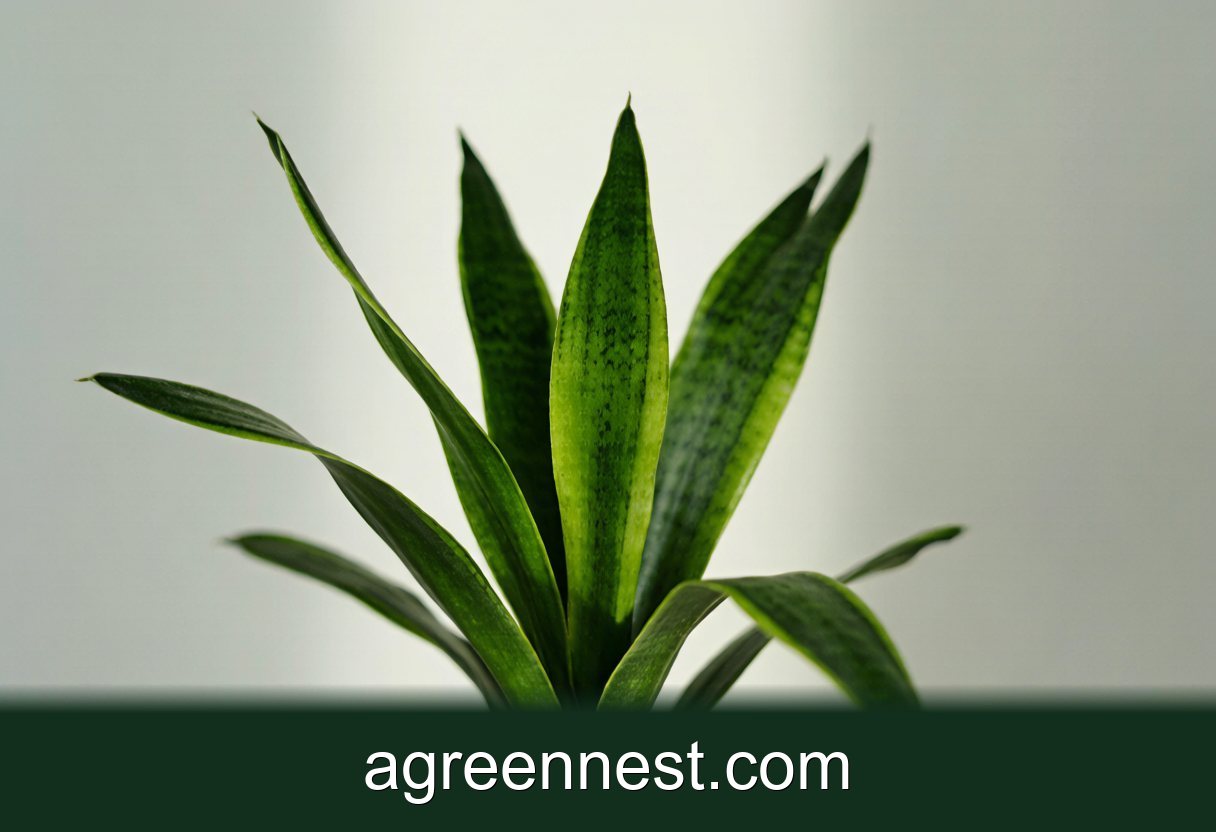
Do not overthink Dragon Tree Care Guide (Dracaena Marginata). It thrives in bright, indirect light and asks for little: water when the top layer of soil dries (18 days between waterings), and keep it away from harsh midday sun. A slightly lean soil and a stable, warm spot are all it needs to look good through the year.
A Plant That Forgives Almost Everything
The Dracaena marginata has been a quiet companion on my windowsill for nearly six years. Friends call it the Madagascar dragon tree, and the name fits its slender stems and spiky crown. In my experience, few houseplants shrug off forgetful care as gracefully as this one. It tolerates a missed watering, a dim corner, and the occasional dusty leaf without complaint. New growers often worry they will kill it, yet the bigger risk is usually too much love in the form of water.
This species belongs to a small family of trees that includes the stout Dracaena draco of the Canary Islands. Both store a little moisture in their woody stems, which explains the long gaps between drinks. A mature plant can reach 6 feet (about 1.8 meters) indoors if you let it, though most stay closer to 3 or 4 feet. The leaves are narrow, arching, and edged in a deep maroon that brightens under good light.
What Kind of Light Does a Dragon Tree Want?
Bright, indirect light keeps the colours rich and the stems upright. A spot 3 to 6 feet from a south or west window works well in most homes. Low light will not kill the plant, but it does slow growth and can fade the red leaf edges to plain green. Direct midday sun, by contrast, scorches the foliage within a few hours on a hot day.
I keep mine near an east window where it gets soft morning light and shade by noon. During the short days of December and January, a small LED grow light for 10 to 12 hours a day keeps it from leaning. Rotate the pot a quarter turn every 14 days so each side reaches for the light evenly.
Watering on a Simple Schedule
Wait until the top 2 to 3 inches of soil feel dry, then water thoroughly until liquid runs from the drainage hole. In spring and summer that means a deep drink roughly every 18 days. Autumn and winter are a different story, and the plant may need water only every 28 to 35 days when growth slows.
Overwatering is the single mistake that ends most dragon trees. The roots rot fast in cold, soggy soil, and the base turns to mush before you notice. My rule is simple. If I am unsure, I wait three more days. A moisture meter set to read dry at the 2 inch (5 cm) mark is a cheap insurance policy for nervous plant parents.
Soil, Pot, and Drainage
A standard peat-free houseplant mix suits this plant, but I improve it with one part pumice or coarse sand to three parts mix for faster drainage. The pot must have a real hole at the bottom, since sitting in a saucer of water is the fastest way to lose the plant. Terracotta breathes better than glazed ceramic, and it helps the soil dry between waterings.
Repot only every two to three years, or when roots circle the inside of the container. Move up just one size, from a 6 inch to an 8 inch (15 to 20 cm) pot, because a vast pot holds too much damp soil. After repotting, wait five to seven days before the first watering so any damaged roots can seal.
How Warm Should the Room Stay?
Comfortable room temperatures between 55 and 85°F (13 and 29°C) keep the plant content through the year. It dislikes cold drafts and will drop leaves if the thermostat dips below 50°F (10°C) for long. Average home humidity around 40 to 50 percent is perfectly fine, so you rarely need a humidifier.
Over a particularly cold February, I learned to keep mine away from the window glass at night. A single frosty pane dropped the local temperature enough to brown the lower leaves. Moving the pot 2 feet back into the room solved the problem within a month as fresh growth returned.
How Do You Propagate a Dragon Tree?
Stem cuttings are the easiest route for a home grower. Cut a healthy top section 6 to 8 inches (15 to 20 cm) long with clean shears, then let the cut end dry for one to two days until a callus forms. Place it in moist perlite or water, and roots usually appear in three to five weeks at 70 to 75°F (21 to 24°C).
Air layering works too if you prefer not to behead the mother plant. Wound a spot on the stem, wrap it in damp sphagnum moss, and cover with clear film. Once roots show through, cut below the bundle and pot it up. Either method gives you a free plant to share with a friend.
Common Problems and Easy Fixes
Leaning or stretched growth signals a need for more light. Move the plant brighter or add a grow light for 10 to 12 hours daily. Mushy, yellow lower leaves point to overwatering, so let the soil dry and check the roots for black rot. Brown, crispy leaf edges often mean salt build-up from fertilizer or tap water, and a thorough flush with 2 quarts of plain water clears it.
Pests are rare, but scale insects sometimes settle along the stems. Wipe them off with a cotton pad dipped in a 1 to 2 percent soap solution, then repeat after seven days. Catching trouble early keeps a dragon tree handsome with almost no effort.
Frequently Asked Questions
How often should I water a Dragon Tree?
Deep water only when the top 2 to 3 inches of soil are dry, about every 18 days in the growing season and far less in winter.
Is the Dragon Tree safe for pets?
No. The leaves contain compounds that irritate cats and dogs if chewed, so place the pot well out of reach.
Why are the leaf edges turning brown?
Crispy edges usually mean salt build-up or low humidity. Flush the soil and mist lightly twice a week to calm the problem.
The Dracaena marginata rewards a little attention with years of easy beauty, and it asks for less than almost any other tree you can grow indoors. For a personalised schedule, try our free watering calculator and pair it with the light calculator to pick the perfect spot. Give it bright indirect light, a restrained watering hand, and a warm corner, and it will quietly outlive your next several houseplants.
Sources & further reading
GreenNest authors research and write every guide independently. The external links below are reputable references we recommend for deeper reading — they are not the sources we copied from.
- UF/IFAS Gardening Solutions — UF/IFAS
- Clemson Home & Garden Information Center — Clemson Extension
- Royal Horticultural Society — Houseplant care — RHS
Recommended Tools for Low-Light Indoor Plants Care
Free, no-signup helpers matched to this guide.
Free Ebooks to Explore
Downloadable handbooks — no email required.
Share Your Plant Story
Grown something tricky, or found a trick that finally worked? Tell us in the comments, or see what other readers are sharing on our Community page. The best reader tips get folded back into our guides.
Join the Conversation
Have a tip or a question about Dragon Tree Care Guide (Dracaena marginata)? Share it below — comments are saved on our server.