 AGreenNest
Succulent Care
Haworthiopsis Care: 2 Species for Beginners
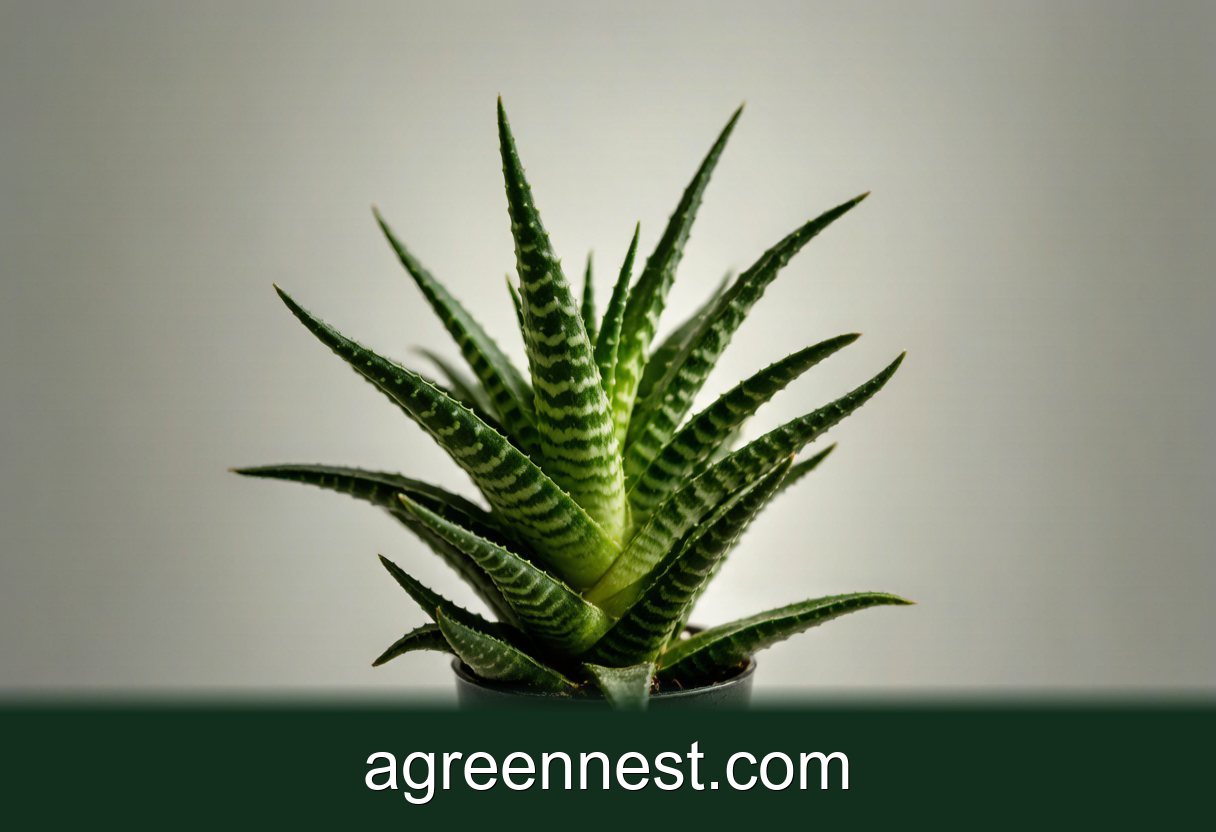
The secret to a happy Haworthiopsis is restraint. Place it in bright, indirect light, then wait until the soil is bone dry before watering (every 2-3 weeks in summer, less in winter). Use a lean, sandy soil and a porous pot so excess moisture escapes fast and rot never gets started.
Haworthiopsis Care: 2 Species for Beginners
Small, spiky, and nearly indestructible, Haworthiopsis is the succulent I gift to friends who claim they kill everything. I keep a Zebra Plant on my desk, where it sits under a lamp and asks for a drink about once a month. The two species below look like twins at a glance, yet their stripe patterns tell them apart. Both belong to the same genus, Haworthiopsis, and both love a bright, forgetful owner.
This round-up pairs two close relatives so you can learn the family without clutter. Growing them together reveals how subtle a single genus can be. You will start to read leaf texture like a naturalist. A tiny pot on a sunny sill is all the stage they need.
Meet the Haworthiopsis Family
Bright, indirect light and rare watering define Haworthiopsis culture. These compact succulents form rosettes of pointed leaves marked with bumpy white ridges. They tolerate drier air and lower light than most succulents, which makes them perfect for offices. The genus stores water in its leaves, so it sails through a forgotten vacation.
Collecting a genus is a fun way to learn one plant family in depth. You begin to notice the ridges, the sheen, the leaf angle. A single shrivelled tip teaches more than a shelf of guides. With Haworthiopsis, the lessons are gentle because the plants are tough. Often the only mistake is loving them with too much water.
Haworthiopsis fasciata: The Zebra Plant
The classic Zebra Plant, Haworthiopsis fasciata, shows smooth green leaves with white ridges only on the outside. It is the tidier of the pair, with a neat rosette that stays under six inches wide. Give it bright, indirect light, though it tolerates a dim corner better than desert cacti. An east or west window suits it through most of the year.
Water only after the soil has gone fully dry, about every 14 to 21 days in summer and every 28 to 42 days in winter. Keep the temperature between 60 and 85°F (16 and 29°C) for steady growth. The white ridges are natural bumps, not pests, so never scrub them off. A gritty mix of two parts cactus soil to one part perlite keeps the crown dry.
Repot only every three to four years, since these succulents hate disturbed roots. Choose a shallow pot with a drainage hole, because deep soil stays wet too long. Offsets appear at the base and can be pulled away in spring.
Haworthiopsis attenuata: The Haworthia
Haworthiopsis attenuata wears white ridges on both leaf faces, which makes it shimmer from every angle. It grows a touch larger than its cousin and forms denser clumps over time. The same bright, indirect light suits it, though a few hours of gentle morning sun keeps the stripes crisp. Place it where air moves, since still, humid corners invite trouble.
Water on the same dry schedule as the Zebra Plant, waiting until the top two inches of soil feel bone dry. In summer that means a drink every 14 to 21 days, while winter stretches the gap to 28 to 42 days. Temperatures between 60 and 85°F (16 and 29°C) keep it content. If the leaves go thin and red at the tips, the plant is thirsty or too sunny.
Propagation comes easy through the pups. Twist a small offset from the mother in early spring, let the wound dry for a day, then tuck it into dry mix. Roots form within 21 to 28 days with almost no effort.
How do these two differ in care?
Genuinely, the care is nearly identical, which is why they share this guide. The main visual difference is the stripe placement, because Haworthiopsis attenuata ridges show on both sides while Haworthiopsis fasciata keeps them outside. Light, water, and soil needs line up almost exactly. The attenuata clumps a bit faster and grows slightly larger.
Choose the fasciata if you want a tidy, single rosette. Choose the attenuata if you love a shimmering, spreading clump. Either way the fuss stays minimal. Both forgive a missed month of water without flinching.
What light keeps the stripes crisp?
Bright, indirect sun is the sweet spot, with a few hours of soft morning light as a bonus. East facing windows are dependable, and a bright north sill works in summer. Avoid the harsh midday sun, which can redden the leaf tips within days. If the plant stretches and the rosette opens flat, it is begging for more light.
Rotate the pot a quarter turn every 10 to 14 days so all sides colour evenly. A sheer curtain is enough to soften a strong south window. Sometimes a desk lamp on a timer is all a dark room needs.
Which species should you start with?
Beginners do best with Haworthiopsis attenuata, since it is marginally tougher and quicker to clump. That said, the fasciata makes a clean, sculptural first plant if you prefer order. Both cost very little at succulent sales and garden centers, so try one of each. Start with the look you love, because you will tend it more often.
Check the crown before you buy. Plump, firm leaves mean a healthy specimen. Skip any pot with translucent, mushy bases, since that signals rot already at work.
Frequently Asked Questions
Q: Can these two share a single pot?
A: Yes, they can, because their needs match so closely. Just use a shallow pot with a drainage hole and a gritty, fast draining mix.
Q: Why are the leaves losing their colour?
A: Too little light is the usual cause, so move the plant to a brighter spot. Reddening tips can also mean too much sun or thirst, so check both light and soil.
Q: When is the best time to repot?
A: Spring is ideal, right before growth speeds up. Repot only when offsets crowd the pot, typically every three to four years, and keep the new container shallow.
Collecting a genus is a fun way to learn one plant family deeply, and Haworthiopsis proves that small plants can teach big lessons. Pair your favourites with the light calculator to place them well, then enjoy the quiet stripes.
Sources & further reading
GreenNest authors research and write every guide independently. The external links below are reputable references we recommend for deeper reading — they are not the sources we copied from.
- Royal Botanic Gardens, Kew — Kew Gardens
- Aggie Horticulture (Texas A&M) — Texas A&M AgriLife
- Clemson Home & Garden Information Center — Clemson Extension
Recommended Tools for Succulent Care
Free, no-signup helpers matched to this guide.
Free Ebooks to Explore
Downloadable handbooks — no email required.
Free Ebook
Haworthia & Haworthiopsis Care Handbook
A focused guide to the striped, forgiving Haworthia clan.
Free Ebook
The AGreenNest Succulent Care Handbook
The complete, beginner-to-confident guide to growing fat, happy succulents — 10 chapters and a 20-plant directory.
Share Your Plant Story
Grown something tricky, or found a trick that finally worked? Tell us in the comments, or see what other readers are sharing on our Community page. The best reader tips get folded back into our guides.
Join the Conversation
Have a tip or a question about Haworthiopsis Care: 2 Species for Beginners? Share it below — comments are saved on our server.