 AGreenNest
Succulent Care
Haworthia Care Guide (Haworthiopsis attenuata)
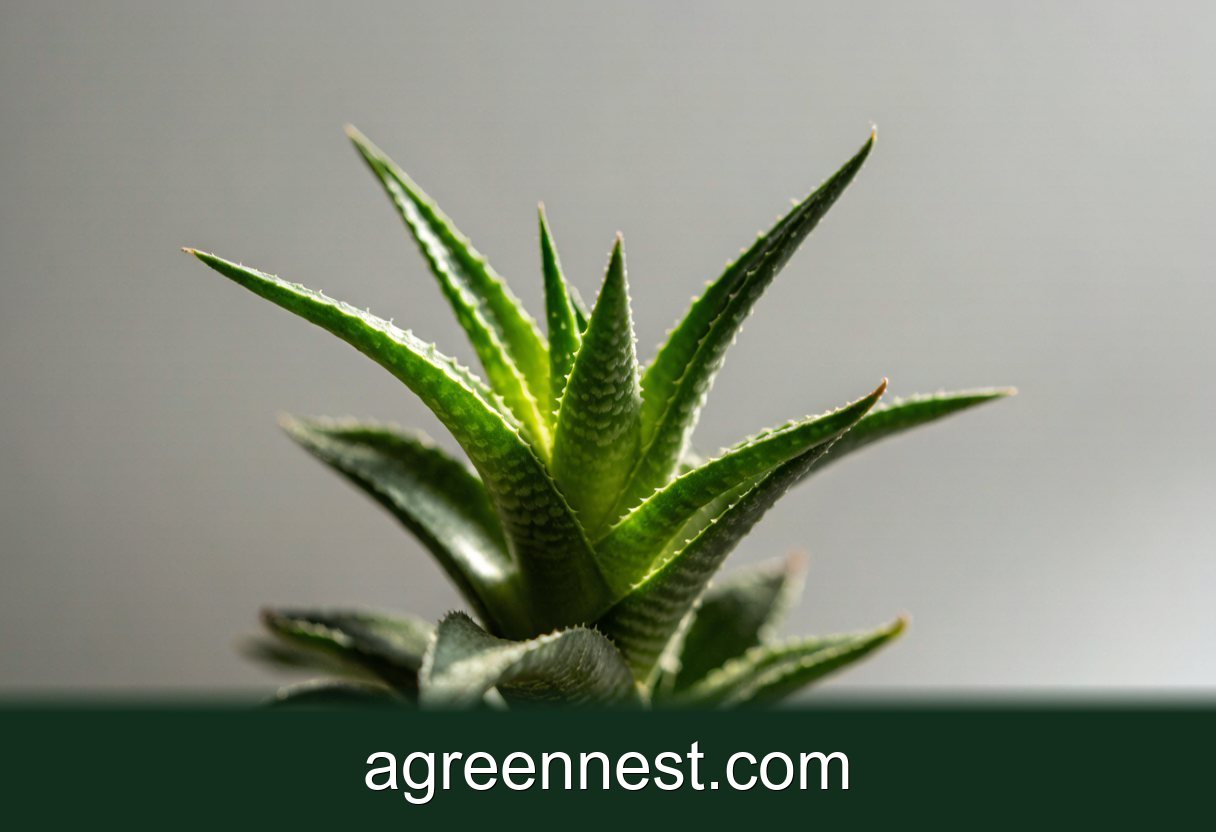
If you are new to Haworthia Care Guide (Haworthiopsis Attenuata), keep it simple: bright, indirect light, and water sparsely. These plants hate wet feet, so always let the soil dry completely between drinks (18 days between waterings). A shallow terracotta pot with gritty soil is the safest setup, and a bright windowsill does the rest.
Why I Fell for Haworthia
My first Haworthia cooperi came from a neighbour who was moving house. She handed me a tiny pot with a rosette of see through leaves and said it was impossible to kill. Three years later it has travelled with me through two apartments and a very dark kitchen, and it is still thriving. That is the magic of this genus. Haworthia fasciata and Haworthia attenuata are just as forgiving, and they ask for almost nothing in return.
These little succulents are perfect for people who forget to water. They store moisture in their fleshy leaves, so a missed week means nothing. A missed month is barely a shrug. If you have killed ferns and drowned peace lilies, this is the plant that will rebuild your confidence.
What Light Makes the Stripes Pop?
Bright, indirect light is the sweet spot. A north or east windowsill is ideal, because the gentle morning sun brings out the white bumps and stripes without scorching the leaves. My Haworthia fasciata sits 2 feet from an east window and its zebra stripes have never looked sharper.
Direct midday sun is the one thing to avoid. Behind glass, summer sun can push leaf temperatures past 95°F (35°C) and leave pale, leathery burns that never heal. If your only window faces south, hang a sheer curtain or pull the plant back 3 to 4 feet.
The Watering Rhythm I Actually Use
Here is my honest schedule. During the growing season, from spring through early autumn, I water deeply about every 18 days. The rule is simple: let the soil dry completely, then give it a thorough soak until water runs from the drainage hole. In winter, when light is weak and growth slows, I stretch that to every 30 to 40 days.
I never water on a fixed calendar alone. I lift the pot first. A dry Haworthia pot feels almost weightless, and that lightness is my cue. Overwatering is the only real way to lose one of these plants, so when in doubt, wait another few days.
Soil and the Right Pot
Use a gritty, free draining succulent mix. I blend three parts cactus soil with one part pumice, and the result drains in seconds. A shallow terracotta pot is my favourite choice, because the clay wicks extra moisture from the soil and the wide base keeps a top heavy rosette steady.
A real drainage hole is not negotiable. A Haworthia sitting in a closed saucer of water will rot from the base up within a week or two. If you love a decorative pot with no hole, nest a plastic nursery pot inside it and lift the plant out to water.
Temperature and Humidity
Average home conditions suit them perfectly. They are happy between 55 and 85°F (13 and 29°C), which covers almost every heated living room. I keep mine away from drafty windows in deep winter, since a night below 45°F (7°C) can mark the leaves with cold damage.
Humidity is not something you need to manage. Normal household air, even in a dry heated flat, is perfectly fine. Skip the misting bottle. These are desert aligned succulents, not ferns.
How Do You Propagate Haworthia?
The easiest path is an offset pup. Mature plants push out small clones at the base, and you simply unpot, tease the pup away with a clean knife, and let the cut surface dry for 1 to 2 days. Once the wound has callused, set it on barely moist soil and wait. Tiny white roots appear within 2 to 3 weeks.
Leaf propagation works too, though it is slower. A single leaf laid on dry soil will sometimes root and form a tiny plantlet at its base, but the success rate is lower than with pups. I always start with offsets first.
When Should You Worry About Colour Change?
A little colour shift through the seasons is completely normal. Cooler autumn light can tint the leaves pink or bronze, and that is healthy, not a crisis. The warnings are more specific. Fading to plain green means the plant wants more light. Sudden scorch marks or bleached patches mean it got too much direct sun.
Brown, crispy edges usually point to low humidity or a salt build up from fertiliser. Flush the soil with plain water and ease off the feed for a month.
Common Problems and Easy Fixes
Leaning or stretched growth is a light problem. Move the plant brighter or add a small grow light, and new growth will stay compact. A mushy, yellow base is overwatering, so let the soil dry and check the roots for black rot. Pale washed out colour asks for more sun, while a shrivelled, wrinkled body asks for a long overdue drink.
Most issues trace back to one of two habits: too much water or too little light. Fix those and a Haworthia attenuata will reward you for years.
Frequently Asked Questions
How often should I water Haworthia?
Deeply, only after the soil is fully dry. That works out to about every 18 days in the growing season and far less in winter, closer to every 30 to 40 days.
Is Haworthia safe for pets?
Yes. It is generally regarded as pet safe, so it is a calm choice for homes with cats and dogs.
What light is best?
Low to bright indirect light. Keep it out of hot, direct sun, and an east or north windowsill will keep the stripes crisp.
Haworthia rewards a little attention with years of easy beauty, and honestly it asks for less than almost any plant I own. Give it bright indirect light, a gritty pot it can drain from, and a patient watering hand, and it will quietly outlive your fickle favourites. For a personalised schedule, try our free watering calculator and pair it with the light calculator to pick the perfect spot.
Sources & further reading
GreenNest authors research and write every guide independently. The external links below are reputable references we recommend for deeper reading — they are not the sources we copied from.
- Cornell Garden-Based Learning — Cornell University
- Royal Horticultural Society — Houseplant care — RHS
- Royal Botanic Gardens, Kew — Kew Gardens
Recommended Tools for Succulent Care
Free, no-signup helpers matched to this guide.
Free Ebooks to Explore
Downloadable handbooks — no email required.
Free Ebook
Haworthia & Haworthiopsis Care Handbook
A focused guide to the striped, forgiving Haworthia clan.
Free Ebook
The AGreenNest Succulent Care Handbook
The complete, beginner-to-confident guide to growing fat, happy succulents — 10 chapters and a 20-plant directory.
Share Your Plant Story
Grown something tricky, or found a trick that finally worked? Tell us in the comments, or see what other readers are sharing on our Community page. The best reader tips get folded back into our guides.
Join the Conversation
Have a tip or a question about Haworthia Care Guide (Haworthiopsis attenuata)? Share it below — comments are saved on our server.