 AGreenNest
Succulent Care
Haworthia Care: 2 Species for Beginners
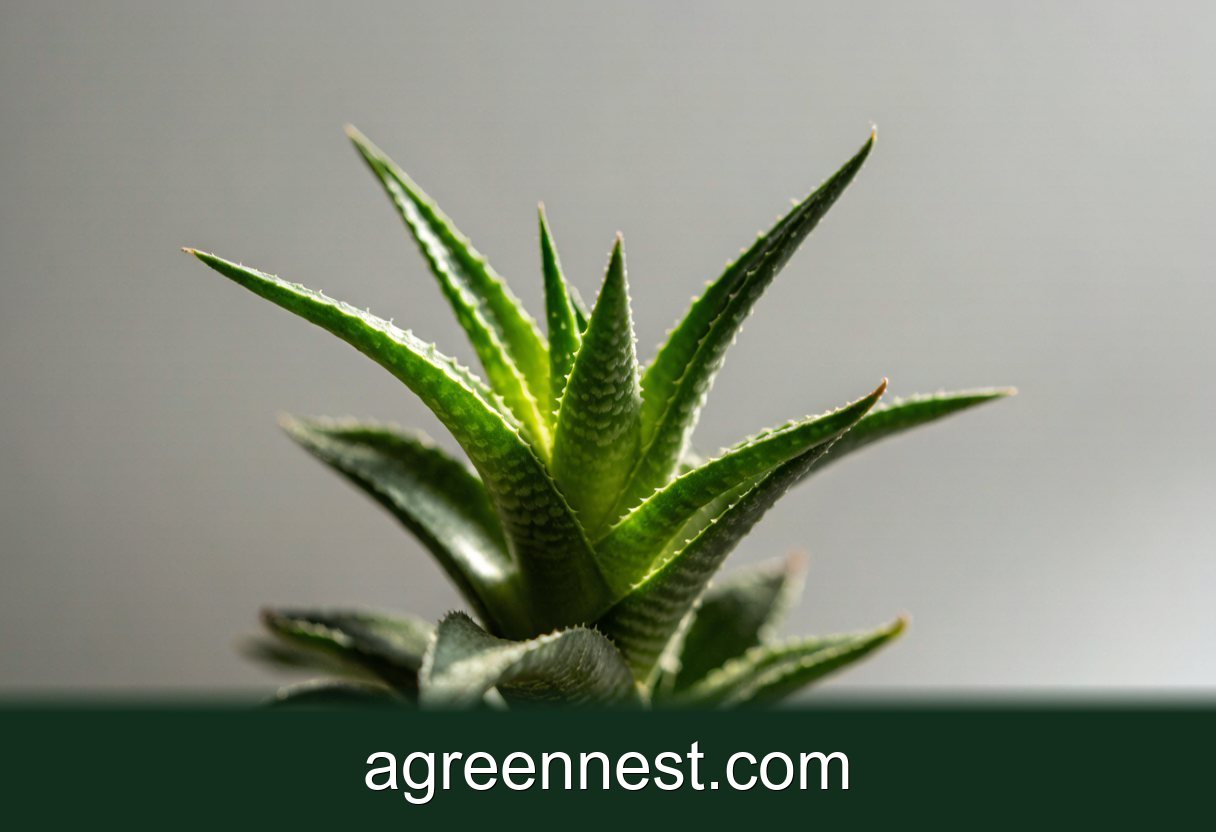
If you are new to Haworthia, keep it simple: bright, indirect light, and water sparsely. These plants hate wet feet, so always let the soil dry completely between drinks (every 2-3 weeks in summer, less in winter). A shallow terracotta pot with gritty soil is the safest setup, and a bright windowsill does the rest.
Why Haworthia Won Me Over
My desk plant died twice before a tiny Haworthia cooperi arrived in a 6 cm pot. Those translucent leaf tips caught the morning light like little glass pebbles. The small survivor outlived every fern I had killed and wanted less attention. People usually want a plant that thrives on forgetfulness, and this genus fits. Such contentment on a dim shelf is rare among succulents. Colleagues at work now beg for a pup after seeing mine flower in late autumn. Few gifts are easier to share than a spare offset in a tiny pot. Morning sun through my office window wakes the windowed tips into a soft glow.
What Makes Haworthia So Hard to Kill?
A Haworthia stores water in fat, windowed leaves needing almost no direct sun. Dry edges of southern Africa are its home, where it hides under rocks and shrubs. Slow metabolism behind the plain rosette laughs at neglect. Bookcases from Lisbon to Seoul keep them alive with sparse drinks. Six dry weeks on my shelf never made one flinch. Wild clumps wedge between stones and only drink when fog rolls in, so our homes feel almost tropical by comparison. Botanists split the group into dozens of similar small species worldwide.
Haworthia cooperi: The Bubble Tip
Haworthia cooperi forms a clump of rounded leaves tipped with clear windows. The body stays only 3 to 5 cm wide, perfect for a narrow sill. Grow it in a shallow 7 cm terracotta pot with a gritty mix of three parts pumice to one part soil. Soft indirect light keeps the windows clear, while hard sun browns the tips. Late spring usually brings offsets you can pull free at repotting. A happy clump can reach fifteen rosettes in a single 9 cm pot after three calm years. Spring is when the first tiny offset appears at the base of the mother.
Haworthia cymbiformis: The Cathedral Window
Haworthia cymbiformis earns its nickname from fat, boat shaped leaves that glow when backlit. The rosette spreads 6 to 9 cm and stays low, never reaching for the ceiling. Bright indirect light around 18 to 24°C (64 to 75°F) keeps it happy with sparse water. Sturdy nature hides behind those pale leaves, much like its cousin. Such architecture in a tiny pot surprises most visitors. Backlighting it on a north sill turns the leaves into little stained glass panels each morning. Repotting every third spring keeps the shallow roots loose and healthy.
How Bright Should the Windowsill Be?
Bright indirect light for four to six hours suits both species. An east window is perfect, and a shaded south sill works in summer. During the hottest weeks, move them back if the glass passes 29°C (84°F). One pale, stretched leaf means the spot was too dark for too long. Gentle, steady light keeps the best colour. A sheer curtain diffuses the harsh afternoon rays while still feeding the windowed tips. South facing glass behind a net curtain prevents the brown scorched tips altogether.
When Is the Right Time to Water?
Water only after the soil has dried completely to the root. Summer means every 2 to 3 weeks, while winter stretches to 5 to 8 weeks. Leaves soften and wrinkle slightly when thirsty, so feel them before the watering can. Forty two dry days in a cool January plumped my cooperi within a day of a drink. Clear signs like this beat any calendar. A teaspoon of water to the side of the pot is plenty for a 7 cm specimen in winter. Labels on the pot base stop you mixing the two at repotting time.
Which Pot and Soil Suit These Small Plants?
Pick a shallow pot with a drainage hole and a lean, gritty medium. Two parts coarse sand to one part cactus soil drains in seconds. Fine gravel on top keeps the crown dry. Seven centimetres of pot holds a mature clump for two years. Damp soil hugging the soft centre is where rot starts. Unglazed clay breathes better than plastic and helps the roots stay cool on a warm shelf. Bright bathrooms suit them when the air turns dry in the heated winter months.
How Do You Divide a Haworthia Clump?
Ease the root ball out in spring once the offset has three or four leaves of its own. Twist the pup away from the mother with a gentle hand, keeping a few roots attached. Let the wound dry on a counter for one day before setting it in grit. New roots typically appear within two to three weeks in warmth near 21°C (70°F). Sharing the extra plant with a friend closes the loop on a cheap, joyful hobby. Crowded clumps flower best, so wait before splitting a happy plant too soon.
Frequently Asked Questions
Q: Can these two share a single pot?
A: Yes, since both want gritty soil and similar soft light, they grow well side by side.
Q: Why are my leaf tips turning brown?
A: Often too much direct sun; move the plant to bright indirect light and new growth stays clear.
Q: How do I propagate a clump?
A: Pull an offset pup from the base in spring, let it callus a day, then set it on dry soil.
Collecting a genus slowly teaches one plant family better than any shelf of mixed pots. Pair your favourites with the light calculator to place them well, and let these small survivors surprise you. A happy Haworthia is the one you almost forgot you owned.
Sources & further reading
GreenNest authors research and write every guide independently. The external links below are reputable references we recommend for deeper reading — they are not the sources we copied from.
- Royal Botanic Gardens, Kew — Kew Gardens
- Clemson Home & Garden Information Center — Clemson Extension
- UF/IFAS Gardening Solutions — UF/IFAS
Recommended Tools for Succulent Care
Free, no-signup helpers matched to this guide.
Free Ebooks to Explore
Downloadable handbooks — no email required.
Free Ebook
Haworthia & Haworthiopsis Care Handbook
A focused guide to the striped, forgiving Haworthia clan.
Free Ebook
The AGreenNest Succulent Care Handbook
The complete, beginner-to-confident guide to growing fat, happy succulents — 10 chapters and a 20-plant directory.
Share Your Plant Story
Grown something tricky, or found a trick that finally worked? Tell us in the comments, or see what other readers are sharing on our Community page. The best reader tips get folded back into our guides.
Join the Conversation
Have a tip or a question about Haworthia Care: 2 Species for Beginners? Share it below — comments are saved on our server.