 AGreenNest
Succulent Care
Foxtail Agave Care Guide (Agave attenuata)
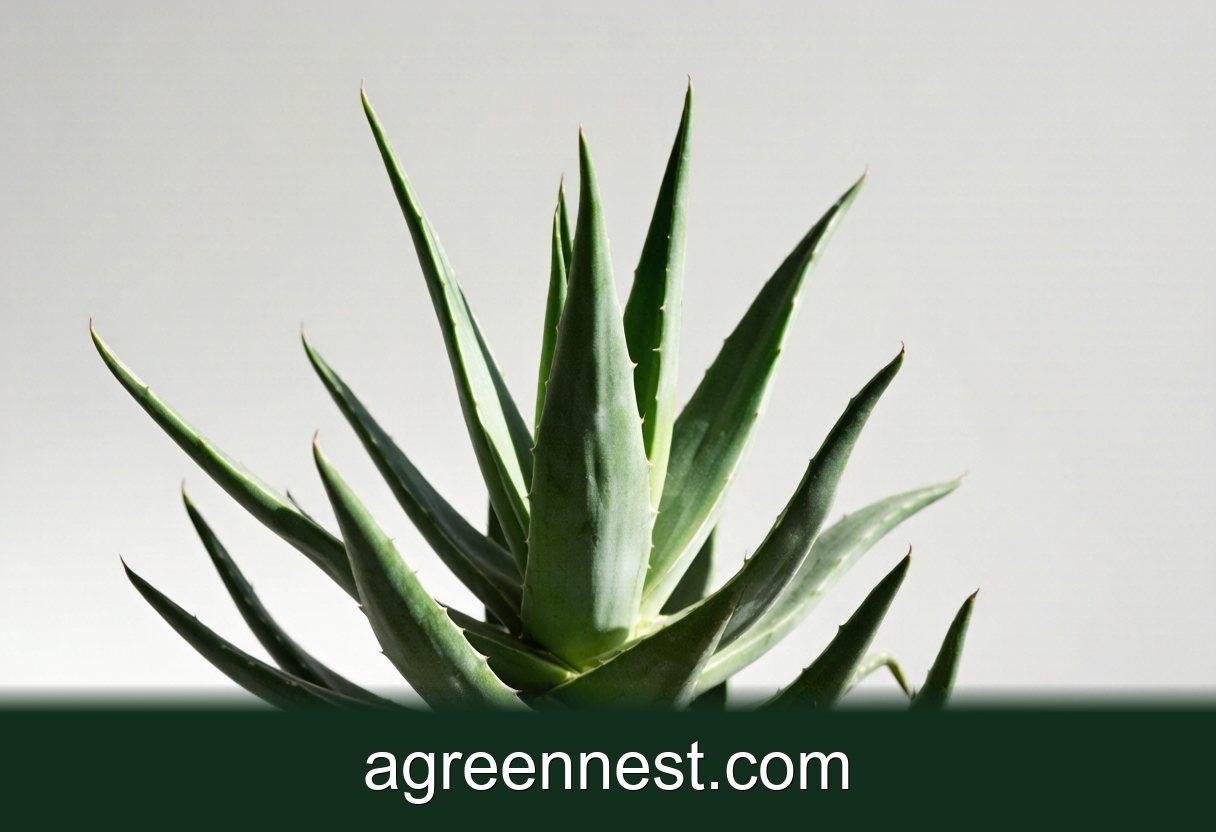
The secret to a happy Foxtail Agave Care Guide (Agave Attenuata) is restraint. Place it in a few hours of direct sun, then wait until the soil is bone dry before watering (30 days between waterings). Use a lean, sandy soil and a porous pot so excess moisture escapes fast and rot never gets started.
Getting to Know the Foxtail Agave
When I first brought home my Agave attenuata, I expected a spiky, unfriendly thing. What greeted me instead was a rosette of soft, spineless leaves that curved outward like a gentle fountain. This plant earns its common name from those arcing leaves, which really do remind you of a fox's tail. Unlike many of its relatives, it carries no sharp spines, so you can place it near a walkway without worry.
Agave attenuata belongs to a group of succulents native to the rocky slopes of central Mexico. The plant stores water in its thick leaves, which is why it shrugs off neglect so gracefully. Gardeners often fall for it because it looks dramatic without demanding much in return. A single specimen in a terracotta pot can anchor a sunny corner for years. A mature rosette can spread two to three feet wide and reach one and a half to two feet tall, so give it room to show off. Because Agave attenuata grows slowly, you will not need to repot more than once every three to four years.
How Much Light Does a Foxtail Agave Need?
Give this succulent as much direct sun as you can manage. Around four to six hours of bright, unfiltered light each day keeps the rosette tight and the leaves a healthy grey green. In a dim room the plant will stretch toward the window and lean, and that leaning is your first clue that it wants more sun. If you only have a bright but indirect spot, the plant survives, yet the leaves lose their compact shape and the arching habit becomes loose.
A south facing or west facing sill works well in most homes. During the deep winter months, when daylight is short, you might add a small grow light to hold the shape. Watch the colour rather than the calendar: a happy Agave attenuata keeps its leaves firm and slightly powdery, while a starved one goes pale and floppy.
What Is the Best Watering Schedule?
Here is the part where restraint pays off. Let the soil dry out completely, then wait a few extra days, before you reach for the watering can. Through the active growing season from spring to early autumn, that usually means a deep soak every 28 to 32 days, so calling it a monthly drink is a fair rule of thumb. In winter the plant rests, and you can stretch that to perhaps one light watering every 45 to 60 days.
I learned this the hard way with my first agave, which I drowned with weekly drinks out of habit. The base turned soft and yellow before I understood the lesson. Deep but rare is the rhythm to aim for: pour until water runs from the drainage hole, then let everything dry. A lean soil mix helps, because a gritty blend sheds excess moisture instead of holding it against the roots.
Soil, Pot, and Temperature
Build a fast draining medium rather than buying a heavy potting soil. A reliable recipe is one part standard potting soil to two parts coarse sand, with a handful of fine gravel mixed in for good measure. That ratio keeps air around the roots and prevents the soggy conditions that invite rot.
Choose a pot with a real drainage hole, and prefer porous terracotta over glazed ceramic. Clay lets the root zone breathe, which suits Agave attenuata perfectly. As for temperature, the plant is comfortable between 30 and 85°F, or negative 1 to 29°C. It tolerates a brief cold snap better than most agaves, yet a hard frost will damage the leaves, so bring it indoors before winter bites. Dry household air suits it fine, and you need not mist the leaves or run a humidifier nearby. Excess moisture on the foliage actually raises the risk of rot, so keep the leaves dry during watering.
How Do You Propagate a Foxtail Agave?
Two simple routes exist. The easiest is to lift a pup, the small clone that appears at the base of a mature plant, and pot it on its own. Use a clean knife to separate the pup with a little root attached, then let the cut surface dry for one to two days before you plant it. Fresh seed sown on the surface of moist soil is the slower alternative.
Either way, keep the new plant barely moist until roots appear, which can take three to five weeks. Resist the urge to water often during this stage, because a callusing cutting rots faster than it roots. Once you see fresh growth, move it to the regular monthly schedule and treat it like the parent.
Common Troubles and Easy Fixes
Lean growth that reaches sideways signals a need for more light, so shift the pot to a brighter spot. A mushy, yellowing base almost always means too much water, and the cure is to let the soil dry and inspect the roots for black, soft sections. Brown, crispy leaf edges can point to dry air or a build up of salts from tap water, so flush the pot thoroughly every couple of months.
Pests are rare, but mealybugs sometimes hide in the rosette. Dab them with a cotton swab dipped in rubbing alcohol, and the problem usually clears within a week. Regular observation beats any chemical spray for a plant this forgiving.
Frequently Asked Questions
Q: How often should I water a Foxtail Agave?
A: Deeply but rarely, roughly every 28 to 32 days in the growing season and far less in winter.
Q: Is the Foxtail Agave safe around pets?
A: No, the sap and leaves can irritate cats and dogs, so keep the pot out of their reach.
Q: Can I grow it outdoors year round?
A: Only in frost free zones, since temperatures below 30°F, or negative 1°C, will damage the leaves.
There is a quiet satisfaction in caring for a plant that asks so little and gives so much. My Agave attenuata has outlasted several fussier purchases, and its soft arching leaves still make me pause on a busy day. Give it sun, give it space to dry, and it will reward you with years of calm, sculptural beauty.
Sources & further reading
GreenNest authors research and write every guide independently. The external links below are reputable references we recommend for deeper reading — they are not the sources we copied from.
- Royal Botanic Gardens, Kew — Kew Gardens
- Clemson Home & Garden Information Center — Clemson Extension
- Cornell Garden-Based Learning — Cornell University
Recommended Tools for Succulent Care
Free, no-signup helpers matched to this guide.
Free Ebooks to Explore
Downloadable handbooks — no email required.
Free Ebook
The AGreenNest Succulent Care Handbook
The complete, beginner-to-confident guide to growing fat, happy succulents — 10 chapters and a 20-plant directory.
Share Your Plant Story
Grown something tricky, or found a trick that finally worked? Tell us in the comments, or see what other readers are sharing on our Community page. The best reader tips get folded back into our guides.
Join the Conversation
Have a tip or a question about Foxtail Agave Care Guide (Agave attenuata)? Share it below — comments are saved on our server.