 AGreenNest
Succulent Care
Parry's Agave Care Guide (Agave parryi)
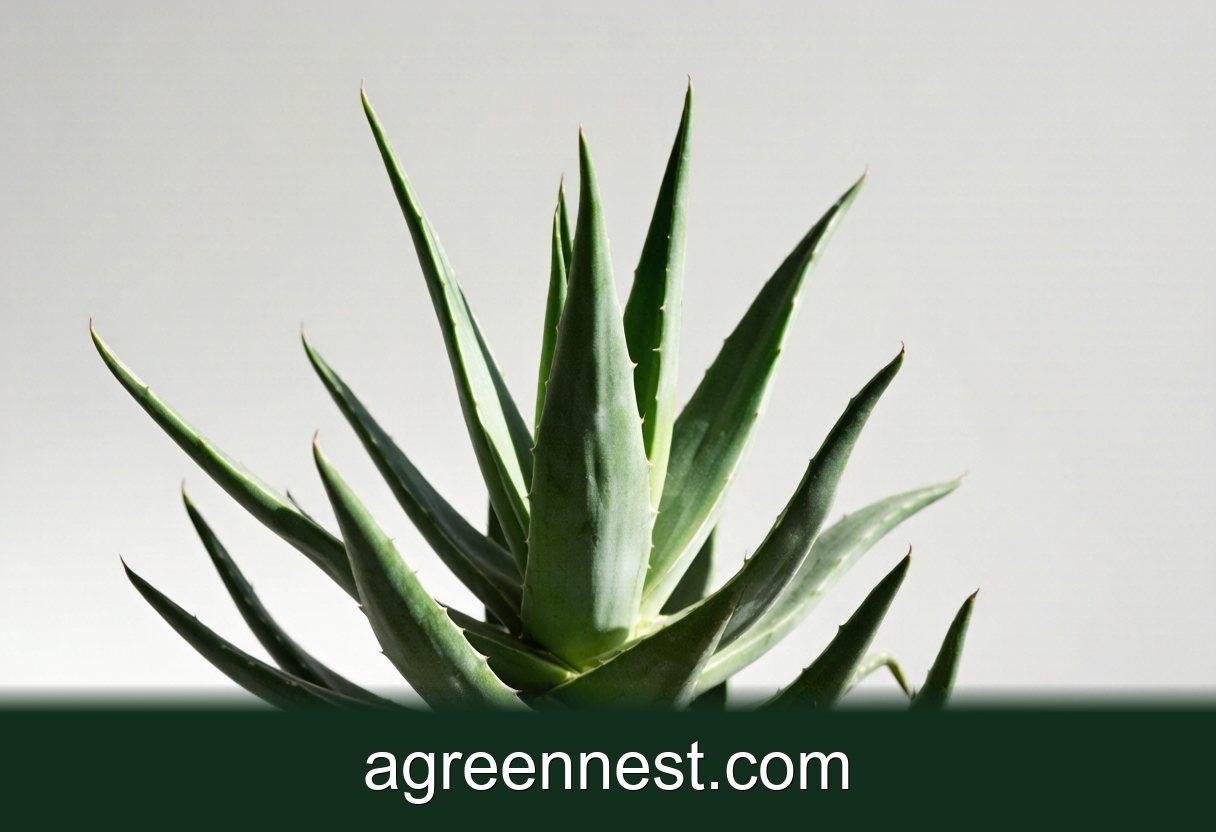
If you are new to Parry's Agave Care Guide (Agave Parryi), keep it simple: a few hours of direct sun, and water sparsely. These plants hate wet feet, so always let the soil dry completely between drinks (30 days between waterings). A shallow terracotta pot with gritty soil is the safest setup, and a bright windowsill does the rest.
Parry's Agave at a Glance
| Care factor | What Parry's Agave wants |
|---|---|
| Light | full, direct sun for most of the day |
| Water | water deeply only when soil is fully dry, roughly every 30 days in the growing season |
| Temperature | hardy down to -10°F (-23°C), comfortable up to 85°F (29°C) |
| Humidity | dry air is fine |
| Soil | a gritty, free-draining succulent mix |
| Difficulty | best once you have a little experience |
| Pet safe | no, keep it away from cats and dogs |
Agave parryi is a compact, blue-leaved agave with dramatic dark spines along each margin. The rosette stays low and rounded, which makes it a favourite for cold-climate collectors who want a sculptural plant. Mine lives in a shallow terracotta bowl on a bright landing, and its symmetry still stops visitors in their tracks.
A few years back I almost lost one to kindness, watering it on the same weekly rhythm as my tropical plants. The base went soft within a month. A gritty repot and a long dry spell saved it, and that near miss taught me more than any guide had.
What kind of light does Parry's Agave need?
Full, direct sun for most of the day keeps the rosette tight and the colour at its best. A south or west window is ideal. An unshaded east window gives enough morning light for smaller plants, though growth will be slower. Without enough sun, the leaves splay open and the neat globe shape loosens.
If you can give it a summer outdoors, do. A few months of open sun hardens the leaves and deepens the blue. Just bring it back indoors before the first frost if your winters drop below its hardiness limit.
How often should you water this agave?
Water sparsely and only when the soil is completely dry. During the growing season that usually means every 30 days. In winter, when the plant rests, you may skip watering entirely for two to three months. The rule with agaves is always too little rather than too much.
Wet feet are the only thing that reliably kills this plant. I water mine by soaking the pot, then leaving it bone dry until the next cycle. The sap and leaves can irritate pets if chewed, and the spines are genuinely sharp, so site the pot where it will not be brushed.
Soil, pots, and drainage
A gritty, free-draining succulent mix is essential. Drainage is everything. A pot with a real drainage hole is non-negotiable, and a shallow terracotta pot is the safest choice because the wide, shallow root run mirrors how the plant grows in the wild. Standing water is the fastest way to lose a Parry's Agave.
Mixing your own is straightforward. Combine three parts coarse grit with two parts peat-free compost and one part perlite. That lean blend drains within a day and keeps the crown dry through wet spells. Repot only every three to four years in spring, since this slow grower dislikes disturbance and is happiest left root bound in its shallow bowl. Summer feeding with a half-strength cactus fertiliser once a month is plenty for steady, unforced growth.
Temperature and hardiness
Parry's Agave is unusually cold tolerant for a succulent. It shrugs off frost down to -10°F (-23°C) and stays comfortable up to 85°F (29°C). The catch is moisture in the cold. Wet soil at low temperatures is what causes rot, so keep it dry through winter whether it lives inside or out.
Dry air suits it perfectly. Average household humidity is more than enough, and you will never need to mist this plant. Winter watering should be rare, perhaps a single light soak if the room stays warm and the soil dries slowly.
How do you propagate Parry's Agave?
The reliable method is a pup, a small rosette that forms at the base of the mother plant. Slip a clean knife between pup and parent and pot the offset on its own. The second route is fresh seed sown on the surface of moist grit, though seedlings are slow and take years to form a proper rosette.
Let any cut surface dry for a day or two before it touches soil or water, then keep it barely moist until roots appear. I pot pups in spring so they have a full season to establish before their first winter.
Common problems and easy fixes
- Splayed, loose growth means it wants more light. Move it to fuller sun or add a grow light.
- Mushy, yellow base signals overwatering. Let the soil dry out fully and check the roots for rot.
- Brown, crispy leaf tips usually point to cold wet soil or salt build-up. Flush the soil and keep it drier in winter.
Frequently Asked Questions
Q: How often should I water Parry's Agave?
Water deeply only when the soil is fully dry, roughly every 30 days in the growing season and far less in winter.
Q: Is Parry's Agave safe for pets?
No. The sap and leaves can irritate cats and dogs if chewed, so keep the pot out of reach.
Q: How long until it flowers?
A mature plant may flower once after 15 to 20 years, then the rosette dies and leaves pups behind.
Parry's Agave rewards patience and restraint with a sculptural rosette that can outlast every trend, and it asks for very little in return. For a personalised schedule, try our free watering calculator and pair it with the light calculator to pick the perfect spot.
Sources & further reading
GreenNest authors research and write every guide independently. The external links below are reputable references we recommend for deeper reading — they are not the sources we copied from.
- Royal Botanic Gardens, Kew — Kew Gardens
- Royal Horticultural Society — Houseplant care — RHS
- Cornell Garden-Based Learning — Cornell University
Recommended Tools for Succulent Care
Free, no-signup helpers matched to this guide.
Free Ebooks to Explore
Downloadable handbooks — no email required.
Free Ebook
The AGreenNest Succulent Care Handbook
The complete, beginner-to-confident guide to growing fat, happy succulents — 10 chapters and a 20-plant directory.
Share Your Plant Story
Grown something tricky, or found a trick that finally worked? Tell us in the comments, or see what other readers are sharing on our Community page. The best reader tips get folded back into our guides.
Join the Conversation
Have a tip or a question about Parry's Agave Care Guide (Agave parryi)? Share it below — comments are saved on our server.