 AGreenNest
Plant Pests & Diseases
How to Deal With Etiolation (Too Little Light)
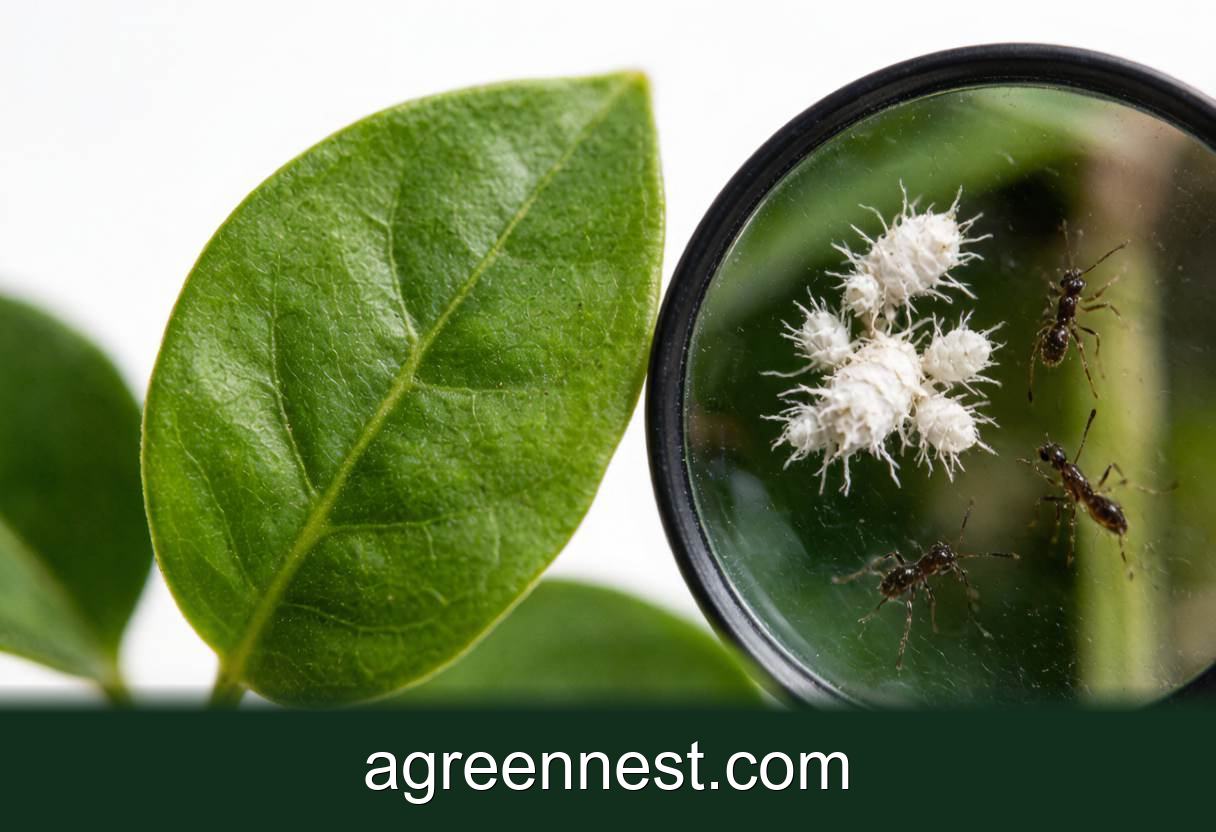
Most How to Deal with Etiolation (Too Little Light) problems trace back to the usual indoor pests, not bad luck. Inspect weekly (leaf undersides, stem joints), quarantine new plants, and treat early with a targeted spray. Good airflow and dry foliage do more than any bottle, since prevention beats the cure every time.
What Is Etiolation, Exactly?
Etiolation is the name plant scientists give to the changes a plant makes when it grows with too little light. The shoots stretch, the stems thin, the spaces between leaves widen, and the color fades toward pale yellow green. University of Minnesota Extension notes that plants in weak light grow longer between nodes as they reach for a brighter source. The result is a leggy, washed out specimen that looks nothing like the compact plant on the nursery shelf.
This response is not a disease. It is a survival strategy written deep in plant DNA. A seedling on a dark forest floor will lengthen fast to reach a gap in the canopy, and your living room plant is doing the same thing when it leans toward a dim window. Cornell Garden Based Learning explains that light drives photosynthesis, and without enough of it the plant cannot build the chlorophyll that keeps leaves green and sturdy.
Why Does Too Little Light Cause These Symptoms?
Light is the fuel for photosynthesis, and photosynthesis is how a plant feeds itself. When the light level drops below what a species needs, the plant keeps growing but stops investing in strength and pigment. Stems elongate because the hormone auxin pushes cells to stretch toward the brightest point available. Leaves stay small and pale because the plant is saving the little energy it has for reaching, not for building tissue.
A north window, a shaded corner, or a shelf three feet from the only window can all create this problem. Warm rooms make it worse, because heat speeds growth while weak light limits the food supply. A Pilea peperomioides placed on a dim shelf will lean hard toward the glass within a month, and a Fittonia albivenis will fade from deep green to washed out beige under the same conditions. The mismatch between a fast growth rate and a tiny energy budget is what produces the classic etiolated look. Measuring the light with a simple meter removes the guesswork. Many growers blame fertilizer when the real cause is the window. Moving the plant just two feet closer often stops the stretch within a fortnight.
How Can You Tell Etiolation From a Pest Problem?
Confusion is common, because several issues produce similar weak growth. Check the stems and the gaps between leaves first. Etiolation shows as even, widespread stretching with pale color and no spots, webbing, or sticky residue. A pest problem usually leaves telltale signs such as tiny insects, chewed edges, or a sticky film on the leaves.
The American Phytopathological Society reminds growers that healthy diagnosis starts with observation, not with a spray bottle. If you see insects or fungal spots, treat that specific issue. If you see only legginess and faint color, the cause is almost certainly light. A simple move closer to the window will confirm the diagnosis within two to three weeks. Photographing the plant each Sunday makes the slow change obvious. Note the date when you first noticed the lean so you can track progress.
How Do You Fix Etiolation Step by Step?
First, move the plant to a brighter spot. A south or east window with filtered light, or a full spectrum grow light running 10 to 12 hours a day, will stop the stretching. Cornell recommends supplementing natural light in winter, when days drop below 9 hours of useful brightness in many homes. Even a hungry Monstera deliciosa will stop reaching once it receives that much supplemented light. Position the grow lamp 6 to 12 inches above the canopy for the best effect.
Second, rotate the pot a quarter turn every 7 days so all sides receive equal light. This prevents the one sided lean that makes etiolation so obvious. Third, prune the worst of the leggy growth. Cut stems back to a healthy node with clean scissors, and the plant will branch from that point instead of continuing to stretch.
Fourth, acclimate gradually. A plant kept in dim light for months will scorch if you drop it into full sun overnight. Increase its light by small steps over 10 to 14 days, adding an hour or two of brightness at a time. Steady, gentle change keeps the new growth firm and green rather than burned. Mark the pot with a small sticker so you remember the start date. New leaves should appear near the crown within three weeks of better light.
How Can You Prevent Etiolation Coming Back?
Prevention is mostly about matching the plant to the place. Choose species that suit the light you actually have, and measure that light before you buy. A simple handheld meter or our window direction calculator tells you whether a spot delivers the 100 to 250 foot candles most foliage plants need. Keep the room between 65 and 75°F / 18 and 24°C so growth stays steady without racing ahead of the light supply.
Inspect new growth every time you water, because the first signs of etiolation appear at the tips. Watch for longer gaps between leaves and a lighter shade near the top. Catching the problem in week one means a small shift of the pot, not a hard prune. Good airflow and a clean leaf surface also help the plant use whatever light it gets. Grouping several pots on one tray raises the local humidity a little. Keeping a notebook of weekly light readings beats memory across a full year.
Frequently Asked Questions
Q: Will etiolated growth turn green again on its own?
A: The stretched stems will not shorten, but once the plant sits in brighter light the new leaves come in green, compact, and normal.
Q: Can a grow light fully replace a window?
A: Yes. A full spectrum LED running 10 to 12 hours daily supplies the photons most houseplants need, even in a windowless room.
Q: How long until the plant looks normal?
A: Expect 4 to 8 weeks of better light before the new growth clearly outnumbers the old leggy stems.
Etiolation is a message, not a death sentence. The plant is telling you it needs more light, and the fix is usually as simple as a new spot or a small lamp. Keep our light calculator bookmarked, check the fresh growth every time you water, and your plants will stay short, strong, and green through every dim season.
Sources & further reading
GreenNest authors research and write every guide independently. The external links below are reputable references we recommend for deeper reading — they are not the sources we copied from.
- American Phytopathological Society — APS
- University of Minnesota Extension — U Minnesota Extension
- Cornell Garden-Based Learning — Cornell University
Recommended Tools for Plant Pests & Diseases Care
Free, no-signup helpers matched to this guide.
🔍 Free Tool
Pest & Problem Identifier
Pick the symptoms you see and get the likely culprit plus a fix.
Free Ebooks to Explore
Downloadable handbooks — no email required.
Free Ebook
The AGreenNest Succulent Care Handbook
The complete, beginner-to-confident guide to growing fat, happy succulents — 10 chapters and a 20-plant directory.
Free Ebook
Haworthia & Haworthiopsis Care Handbook
A focused guide to the striped, forgiving Haworthia clan.
Share Your Plant Story
Grown something tricky, or found a trick that finally worked? Tell us in the comments, or see what other readers are sharing on our Community page. The best reader tips get folded back into our guides.
Join the Conversation
Have a tip or a question about How to Deal With Etiolation (Too Little Light)? Share it below — comments are saved on our server.