 AGreenNest
Plant Pests & Diseases
How to Deal With Edema
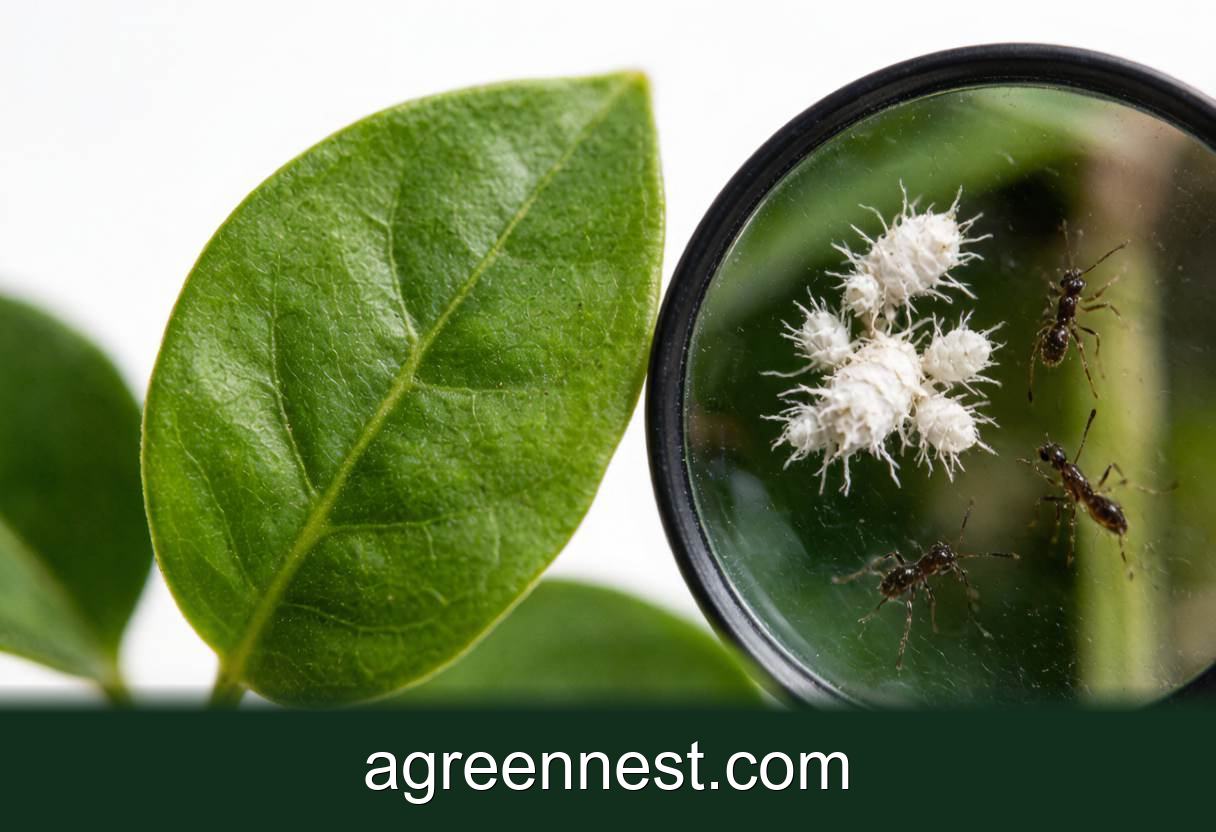
Most How to Deal with Edema problems trace back to the usual indoor pests, not bad luck. Inspect weekly (leaf undersides, stem joints), quarantine new plants, and treat early with a targeted spray. Good airflow and dry foliage do more than any bottle, since prevention beats the cure every time.
What Does Edema Look Like?
Edema is not a pest and not a disease, so the first thing to understand is that nothing is biting or infecting your plant. What you see are small, raised bumps, blisters, or corky warts on the underside of the leaves, sometimes with a rough or watery feel. Cornell's guidance on houseplant problems lists these leaf bumps as a classic sign of internal water pressure rather than an insect. The upper leaf surface may look puckered or ridged where the bumps push against it from below.
The marks tend to show up in clusters on the lower, older leaves first. They can be tan, brown, or nearly the same green as the leaf, which makes them easy to miss during a quick glance. Unlike a fungal spot, the bumps do not carry a yellow halo, and they will not spread from leaf to leaf by spores. Oregon State Extension describes edema as cosmetic, meaning the plant is stressed but not under attack.
Why Does Edema Develop on Leaves?
The cause is a simple imbalance between water coming in and water going out. Roots pull up moisture faster than the leaves can transpire it away, so the excess builds inside the leaf tissue and ruptures cells to form those bumps. Cool, cloudy days slow transpiration, while warm soil keeps roots active, and that mismatch is when edema appears. UC IPM notes that the problem is most common in winter, when short light limits evaporation but routine watering continues.
Humidity and poor light make it worse. A plant in a dim corner with still air loses water slowly, so any normal drink turns into a surplus. Overpotting is another trigger, because a large volume of wet soil around a small root system stays damp far longer than the plant can use. Cornell's guidance points out that growers who water on a fixed calendar, rather than by feel, are the ones who see edema most often.
Watch the thermometer. Plant roots stay busy down to about 13°C, roughly 55°F, while leaf transpiration drops sharply once light falls below a few hundred foot candles. This root leaf mismatch is widest in a cool, dim room, Cornell's guidance explains, which is why edema shows up in winter more than any other season.
How Can You Reduce the Bumps?
Start by letting the top layer of soil dry before you water again. Slide a finger two inches down, and only water when that depth feels dry, since the surface can lie. Move the plant to brighter light if you can, because more light raises transpiration and lets the plant process the water it takes up. A small fan increases air movement and speeds evaporation from the leaf surface, Oregon State Extension recommends.
Cut back on humidity tricks that keep leaves wet. Mist is the usual culprit, since it wets exactly the surface the plant cannot shed. UC IPM suggests raising the temperature a few degrees if the room is cold, because warmer air holds more moisture and roots and leaves stay in better balance. The existing bumps will not vanish, but new growth should come in smooth once the water balance is corrected.
Give the plant about 2 to 3 weeks under the new routine before judging results. Fresh leaves form without the blisters, and that clean new growth is the real proof the fix worked. Patience matters here, Cornell's guidance stresses, because corky scars on old leaves are permanent and should not read as a failed treatment.
Right size the pot while you are at it. A container only one to two inches wider than the root ball dries on a sensible schedule, whereas an oversized pot holds a reservoir the plant cannot drink. Oregon State Extension links chronic edema to pots that are too large, so stepping down a size often calms the bumps within a month.
Which Plants Are Most Prone to Edema?
Some genera simply bulge more than others. Plants in the genus Pelargonium, the geraniums, show edema readily, as do Calathea and Pilea when their light drops in winter. Succulent leaved types with tight cell structure, such as jade, also rupture easily under overwatering. Knowing your plant's habit tells you which one to watch first when the light fades.
Seedlings and fast growing tropicals are the next at risk. Their thin, rapidly expanding leaves cannot always move water fast enough, so a single overcast week with steady watering leaves them speckled. Match water to the season and give less in dim months, Oregon State Extension advises, because slow growing plants in low light need far less than they did in summer.
Frequently Asked Questions
Q: Is edema contagious to my other plants?
A: No. Edema is a physiological reaction inside a single plant, not an organism, so it cannot spread by touch, air, or shared tools. Your other plants are safe, and you do not need to isolate the affected one.
Q: Is edema a pest or a disease I should treat with spray?
A: Neither. There is no insect to kill and no pathogen to cure, so neem oil and insecticides do nothing here. The fix is cultural: drier soil, more light, and better airflow, not a bottle from the shelf.
Q: How long until the leaves look normal again?
A: The bumps on old leaves are permanent, but new leaves should emerge smooth after 2 to 3 weeks of corrected watering and light. Judge success by the fresh growth, not by the scarred older foliage.
Edema looks alarming on the first leaf, yet it is one of the few plant problems with no culprit to fight. Keep our pest identifier tool handy for the things that do bite, and remember that edema answers to water balance, not to poison. Adjust the light and the watering can, give it a few weeks, and the new growth will tell you the plant is back in step.
Recommended Tools for Plant Pests & Diseases Care
Free, no-signup helpers matched to this guide.
🔍 Free Tool
Pest & Problem Identifier
Pick the symptoms you see and get the likely culprit plus a fix.
Free Ebooks to Explore
Downloadable handbooks — no email required.
Free Ebook
The AGreenNest Succulent Care Handbook
The complete, beginner-to-confident guide to growing fat, happy succulents — 10 chapters and a 20-plant directory.
Free Ebook
Haworthia & Haworthiopsis Care Handbook
A focused guide to the striped, forgiving Haworthia clan.
Sources & further reading
GreenNest authors research and write every guide independently. The external links below are reputable references we recommend for deeper reading — they are not the sources we copied from.
- UC IPM — Integrated Pest Management — UC IPM
- Oregon State University Extension — Oregon State Extension
- Cornell Garden-Based Learning — Cornell University
Share Your Plant Story
Grown something tricky, or found a trick that finally worked? Tell us in the comments, or see what other readers are sharing on our Community page. The best reader tips get folded back into our guides.
Join the Conversation
Have a tip or a question about How to Deal With Edema? Share it below — comments are saved on our server.