 AGreenNest
Plant Pests & Diseases
Bacterial Blight: Spots, Smell & How to Stop It
Most Bacterial Blight problems trace back to the usual indoor pests, not bad luck. Inspect weekly (leaf undersides, stem joints), quarantine new plants, and treat early with a targeted spray. Good airflow and dry foliage do more than any bottle, since prevention beats the cure every time.
Bacterial blight and bacterial leaf spot can ruin a healthy houseplant in just a few days if you miss the early signs. The good news is that quick pruning and a few simple habit changes stop most outbreaks before they spread. The key is spotting the wet, smelly spots before they travel to the next pot on the shelf. Most outbreaks start from a single overlooked leaf, which is why a weekly inspection beats any treatment you can buy.
What Does Bacterial Blight Look Like?
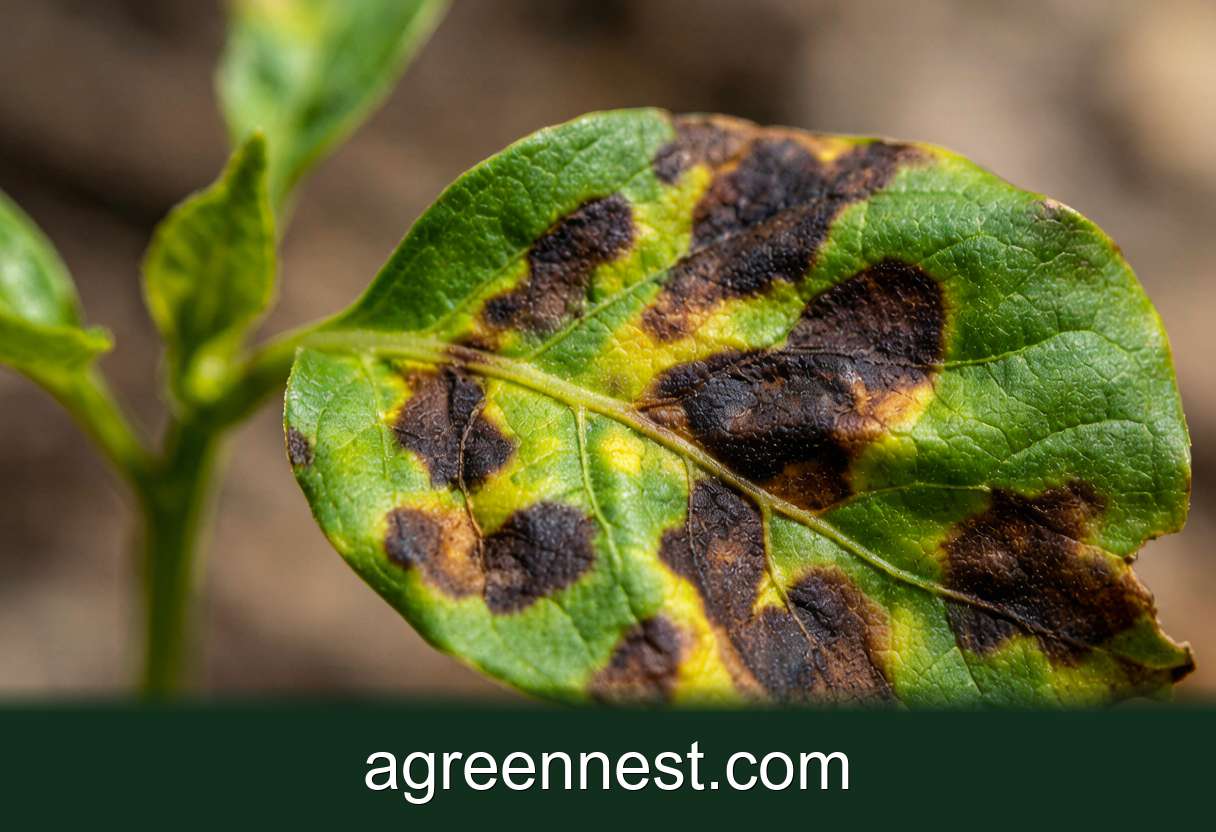
The first clue is a water-soaked spot that looks darker and greasy against the leaf. These spots quickly turn brown or black and often wear a bright yellow halo around the edge. Unlike fungal spots, bacterial lesions feel soft and may ooze when you squeeze them.
A sour, rotten smell is a classic giveaway that bacteria rather than fungus are at work. The usual culprits are bacteria such as Xanthomonas campestris and Pseudomonas species, which love warm, wet leaves. They can move from one plant to the next on a single splash of water, according to guidance from UC IPM and NC State Extension.
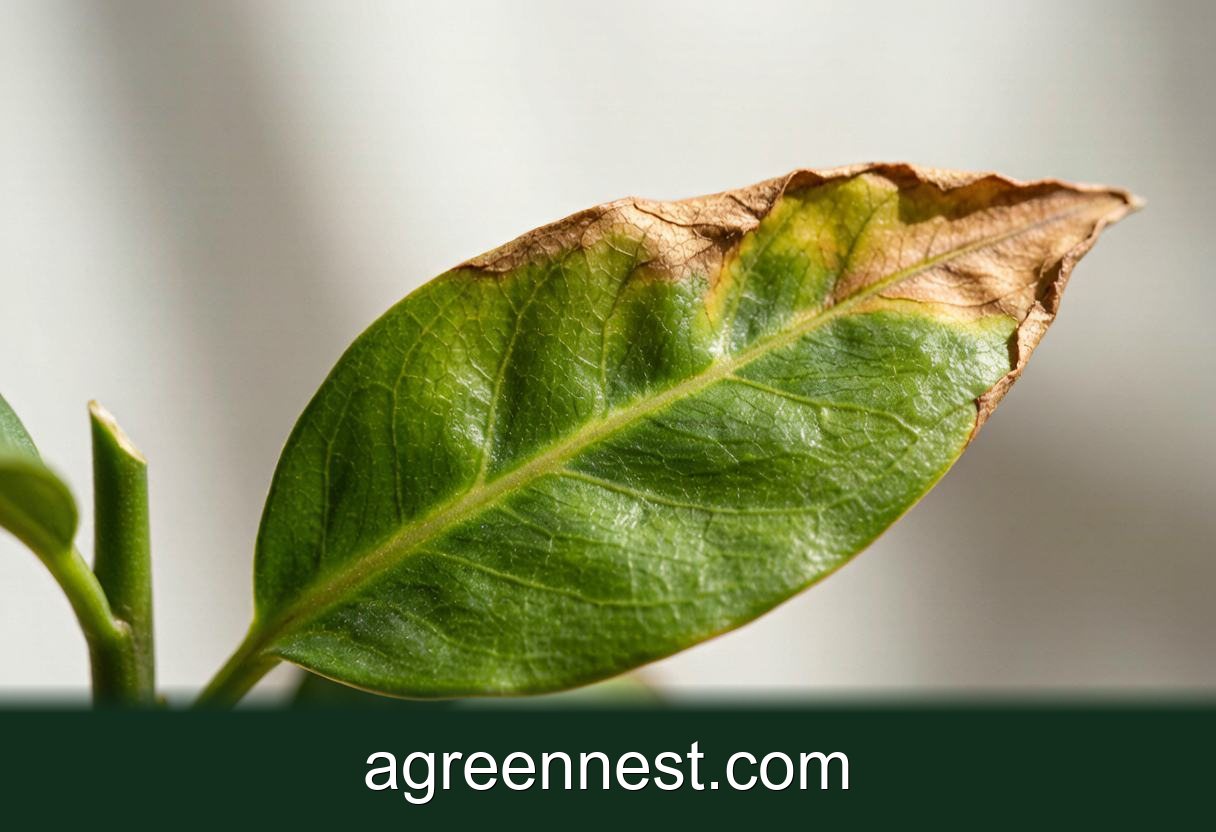
As spots mature they often run together along the leaf veins. Large black blighted patches then curl and die. In bad cases the stem tips blacken too, which is the moment a plant can tip from sick to lost.
Why Does Blight Spread So Fast?
Bacteria live on leaf surfaces and wait for moisture to break in through tiny wounds or natural pores. Overhead watering that wets the foliage is the number one way they hitch a ride. A single drop can fling bacteria from a sick leaf onto a healthy neighbor six inches away.
Crowded shelves and still, humid air let the population explode. Warm rooms around 75 to 86°F (24 to 30°C) with humidity above 60 percent are perfect for blight. Dirty tools and hands also carry bacteria between cuts, so hygiene matters as much as watering.
Bacteria slip in through the smallest openings, including tiny nicks from pruning, insect bites, or even the natural pores where leaves breathe. A plant already stressed by drought or heat is far less able to wall off the infection. Research from several university extension services shows that bacteria double their numbers fastest when leaves stay wet for more than four hours at a time.
How Do You Stop an Active Outbreak?
Prune out every spotted leaf and stem with sterilized shears, wiping the blades in 70 percent isopropyl alcohol between each cut. Bag and bin the debris rather than composting it. Drop the humidity to roughly 40 to 50 percent and improve air flow so leaves dry within a couple of hours.
Stop all overhead watering and switch to bottom watering or a targeted spout at the soil. Spray the remaining plant with copper soap, also called copper octanoate, mixed at the label rate of about 2 to 4 tablespoons per gallon of water. Apply every 7 days for 3 to 4 weeks, since copper suppresses bacteria on the leaf surface and slows new spots.
Isolate the sick plant in a separate room for at least 14 days after the last visible spot, because bacteria can linger on apparently clean leaves. While you treat, wipe nearby surfaces, pots, and the shelf with a 10 percent bleach solution to kill bacteria that splashed during pruning. Wash your hands and any gloves before touching a healthy plant, because you can carry blight on your skin.
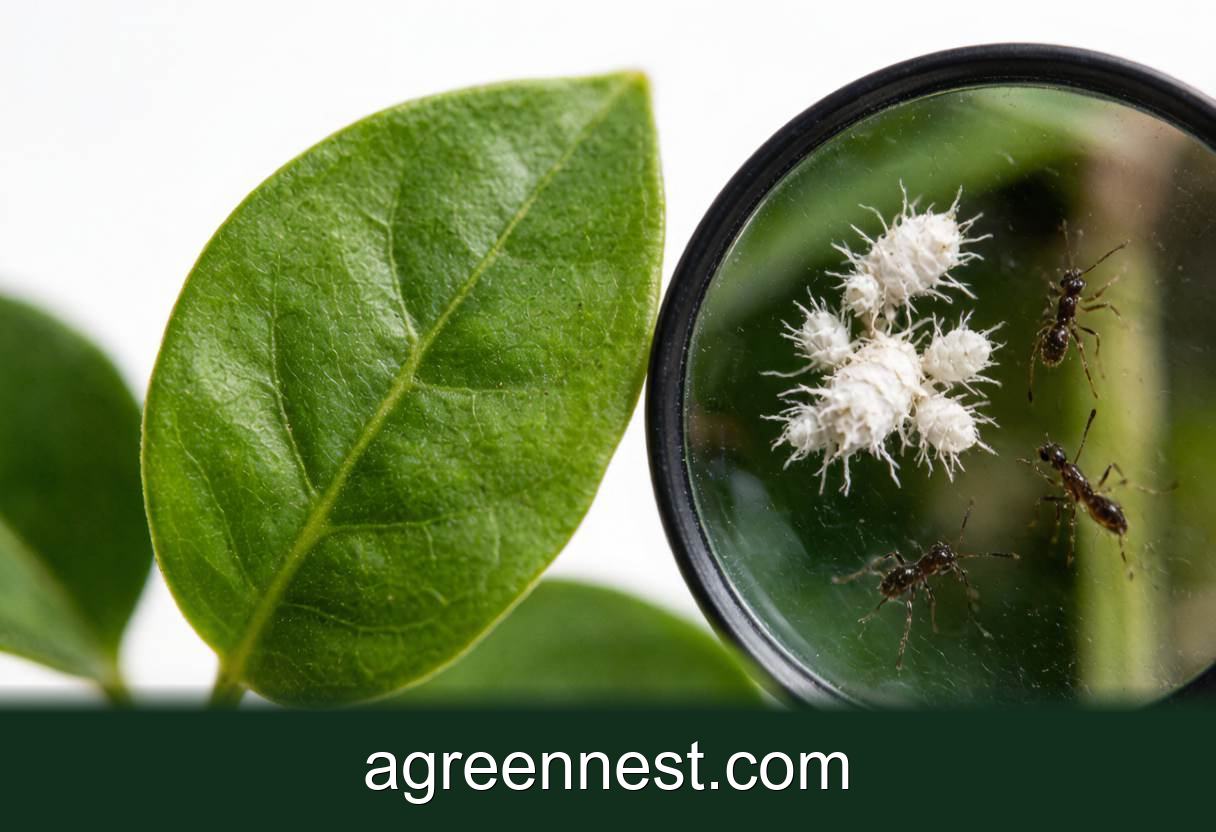
Insecticidal soap will not cure a bacterial infection, but it helps clear the aphids and whiteflies that often arrive on weakened plants. Use it as a supporting step, never as a replacement for copper and clean pruning.
When Should You Throw the Plant Away?
If the rot reaches the crown or more than half the plant is infected, discard it in a sealed bag. Saving one plant is not worth losing a whole shelf to a bacterial sweep. The US EPA notes that copper products slow bacteria but cannot reverse tissue that has already rotted.
Check the stem base carefully before deciding. Soft, dark, mushy tissue at the crown means the vascular system is compromised, and no spray will bring that plant back. Move fast, because a discarded plant in the trash is better than a spreading outbreak indoors.
Which Sprays Actually Work?
Copper-based bactericides are the main labeled option for home growers. Copper soap and copper octanoate are approved for use on many ornamental plants, and they protect new growth when applied on schedule. Always follow the label, since stronger mixes do not work better and can burn foliage.
Avoid relying on home remedies like baking soda or mouthwash, which lack consistent data and can damage leaves. Cornell and Texas A&M guidance stresses sanitation and dry foliage as the real foundation, with sprays as a supporting tool. Rotate your approach so you are not trusting a single product to do all the work. Read the product label twice, because some copper formulas are restricted in certain states and others require a waiting period before you can handle the plant.
Keeping Blight Out for Good
Always water at the base and keep the leaves dry, especially in the evening when wet foliage stays damp all night. Morning watering gives plants the whole day to dry. Quarantine new purchases for 2 weeks and inspect the undersides of leaves before they join the group.
Sterilize pruners, stakes, and pots between plants with alcohol or a 10 percent bleach rinse. Avoid crowding and rotate plants so air circulates. Never reuse old potting soil that may hide bacteria, and a small clip-on fan on low keeps the air fresh without chilling tender growth. A simple routine of checking the undersides every Saturday has saved my own collection more than once, and it takes less than ten minutes for a shelf of twenty pots.
Frequently Asked Questions
Q: What is the difference between blight and fungal leaf spot?
A: Bacterial blight spots are water-soaked, soft, and often smell sour, while fungal spots are usually drier with concentric rings and no odor.
Q: Can copper soap cure bacterial blight completely?
A: Copper soap suppresses bacteria and protects new growth, but you must also prune and dry the leaves because it cannot reverse existing rot.
Q: Should I compost leaves with bacterial spots?
A: No, compost piles rarely get hot enough to kill bacteria, so bin the debris in household trash to avoid reinfecting your garden.
Bacterial blight rewards fast action, so prune at the first wet spot and keep those leaves dry. For a clear match on any weird marking, visit our pest and disease hub for side-by-side photos and fixes. A weekly flip of the leaves to check the undersides catches the next outbreak while it is still a single spot.
Recommended Tools for Plant Pests & Diseases Care
Free, no-signup helpers matched to this guide.
🔍 Free Tool
Pest & Problem Identifier
Pick the symptoms you see and get the likely culprit plus a fix.
Free Ebooks to Explore
Downloadable handbooks — no email required.
Free Ebook
The AGreenNest Succulent Care Handbook
The complete, beginner-to-confident guide to growing fat, happy succulents — 10 chapters and a 20-plant directory.
Free Ebook
Haworthia & Haworthiopsis Care Handbook
A focused guide to the striped, forgiving Haworthia clan.
Sources & further reading
GreenNest authors research and write every guide independently. The external links below are reputable references we recommend for deeper reading — they are not the sources we copied from.
- UC IPM — Integrated Pest Management — UC IPM
- US EPA — Safer Pest Control — US EPA
- NC State Extension — Plant Toolbox — NC State Extension
Share Your Plant Story
Grown something tricky, or found a trick that finally worked? Tell us in the comments, or see what other readers are sharing on our Community page. The best reader tips get folded back into our guides.


Join the Conversation
Have a tip or a question about Bacterial Blight: Spots, Smell & How to Stop It? Share it below — comments are saved on our server.