 AGreenNest
Succulent Care
Tree Aeonium Care Guide (Aeonium arboreum)
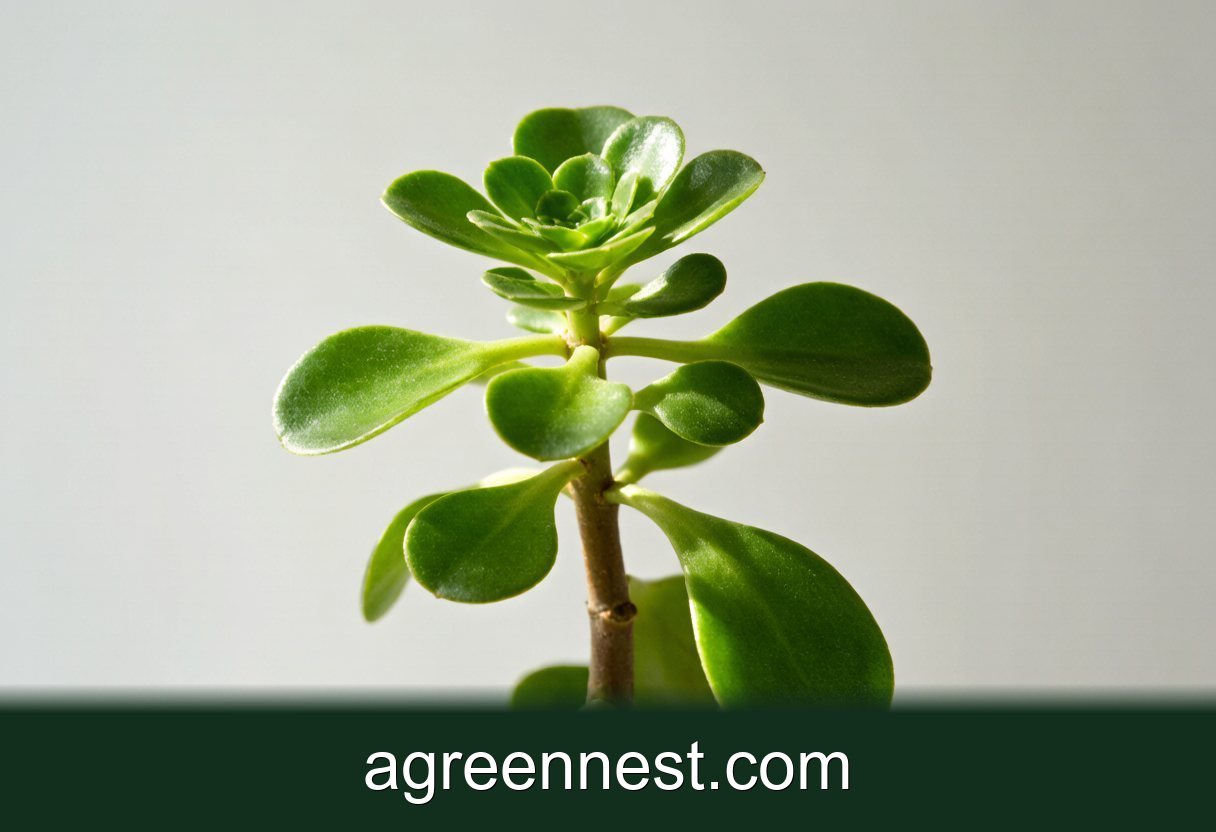
Tree Aeonium Care Guide (Aeonium Arboreum) stores moisture in its leaves, so it tolerates some neglect. Give it a few hours of direct sun and water only when the potting mix has fully dried out (14 days between waterings). Plant it in a gritty, fast-draining mix and a terracotta pot to keep the roots healthy and rot-free.
Why does Tree Aeonium behave differently from other succulents?
The Aeonium arboreum is a bit of an oddball in the succulent world. Most of the rosette forming plants we keep on windowsills want steady care all year, yet this one takes a summer nap. When the hottest weeks arrive, the leaves sometimes close into a tight ball and growth slows to almost nothing. I learned this the hard way during my first July with one, when I kept watering on the same schedule and wondered why the pot stayed damp for weeks. That resting habit is normal, and it is the single most important thing to understand before you bring the plant home. Give it room to breathe through the warm months and it will reward you with a long, branching life.
Light Needs
Bright light is the secret to keeping a Tree Aeonium happy indoors. Aim for at least four to six hours of direct sun each day, supplemented by strong indirect light the rest of the time. A south facing window is ideal in most homes, though an unshaded west window works nearly as well. Without enough light the stems stretch and the rosettes flatten, a condition growers call leggy growth. Move the plant gradually toward brighter spots if you notice the gaps between leaves widening.
Colour also responds to sun. The green form stays fresh and bright, while the dark purple cultivar deepens to near black when it gets strong light. On the other hand, too much harsh midday sun behind glass can scorch the leaves, so a thin curtain during peak summer helps. In my experience a few hours of gentle morning sun plus a bright room is the sweet spot.
How often should you water Tree Aeonium?
Watering is where most beginners go wrong. The rule I follow is simple: soak the soil thoroughly, then wait until the top three inches feel completely dry before watering again. During the active season from autumn through spring, that usually means a deep drink every 12 to 14 days. In the summer rest period, cut back to perhaps once every three to four weeks, and only if the leaves begin to wrinkle.
Always use a pot with a drainage hole. Sitting in a saucer of water is the fastest route to root rot, and a rotted Aeonium arboreum rarely recovers. I keep mine in terracotta because the porous walls wick away extra moisture, which suits this plant perfectly. If you are unsure, wait another day. The plant tolerates dryness far better than soggy roots.
Soil and Potting
A gritty, fast draining mix is essential. I blend one part perlite to two parts standard cactus soil, then add a handful of coarse grit for good measure. Plain garden soil or heavy peat will hold too much water and suffocate the roots. Repot only every two to three years, in early autumn, and choose a container just slightly larger than the root ball.
What temperature keeps it comfortable?
Tree Aeonium grows best between 65 and 75°F (18 and 24°C) during its active months. It tolerates cooler nights down to about 40°F (4°C) but should never sit below freezing. Dry household air is fine, so you do not need a humidifier. Keep it away from drafty windows in winter and from heating vents that blast hot, dry air.
When should you feed Tree Aeonium?
Feed lightly, because this plant is a slow eater. During the active months from autumn to spring, I apply a balanced 10-10-10 fertilizer at half strength once every four to six weeks. Skip feeding entirely during the summer rest, when the roots are barely active and excess nutrients can build up and burn them. A gentle approach beats a heavy one, and the plant looks healthier for it. Watch the leaves as your guide, since a deep green or rich purple colour tells you the feeding level is right.
How to propagate Tree Aeonium
Propagation is satisfying and easy. Take a stem cutting with a clean knife, then leave the cut end to dry in a shaded spot for one to two days so a callus forms. Lay the cutting on dry soil or a shallow tray, and mist it lightly every few days until roots appear, which often takes two to three weeks. A single healthy leaf can also be laid flat on dry soil to sprout a tiny new rosette, though this is slower.
Common problems and easy fixes
Leaning or stretched stems signal a need for more light, so move the plant to a brighter window. Mushy, yellowing bases almost always mean overwatering, and the cure is to let the soil dry and inspect the roots. Brown, crispy leaf edges usually point to low humidity or salt buildup from fertilizer, so flush the pot with plain water and ease off feeding.
Frequently Asked Questions
Q: Is Tree Aeonium safe around pets?
A: No. The sap and leaves can irritate cats and dogs if chewed, so place the pot well out of reach on a high shelf.
Q: Why are my Tree Aeonium leaves turning green?
A: A fade from dark purple to plain green means it wants more sun. Slide it closer to a bright window and the colour should return over a few weeks.
Q: Can Tree Aeonium live outdoors in summer?
A: Yes, it enjoys a spell outside once nights stay above 50°F (10°C). Acclimate it slowly to avoid sunburn, and bring it back in before temperatures drop.
Tree Aeonium has been one of my most forgiving companions, asking only for bright light and a little patience through its summer sleep. Once you learn its rhythm, it gives years of sculptural beauty with almost no fuss. If you want a personalised schedule, try our free watering calculator and pair it with the light calculator to find the perfect corner of your home.
Sources & further reading
GreenNest authors research and write every guide independently. The external links below are reputable references we recommend for deeper reading — they are not the sources we copied from.
- Aggie Horticulture (Texas A&M) — Texas A&M AgriLife
- Cornell Garden-Based Learning — Cornell University
- Royal Botanic Gardens, Kew — Kew Gardens
Recommended Tools for Succulent Care
Free, no-signup helpers matched to this guide.
Free Ebooks to Explore
Downloadable handbooks — no email required.
Free Ebook
The AGreenNest Succulent Care Handbook
The complete, beginner-to-confident guide to growing fat, happy succulents — 10 chapters and a 20-plant directory.
Share Your Plant Story
Grown something tricky, or found a trick that finally worked? Tell us in the comments, or see what other readers are sharing on our Community page. The best reader tips get folded back into our guides.
Join the Conversation
Have a tip or a question about Tree Aeonium Care Guide (Aeonium arboreum)? Share it below — comments are saved on our server.