 AGreenNest
Succulent Care
Aeonium Care: 2 Species for Beginners
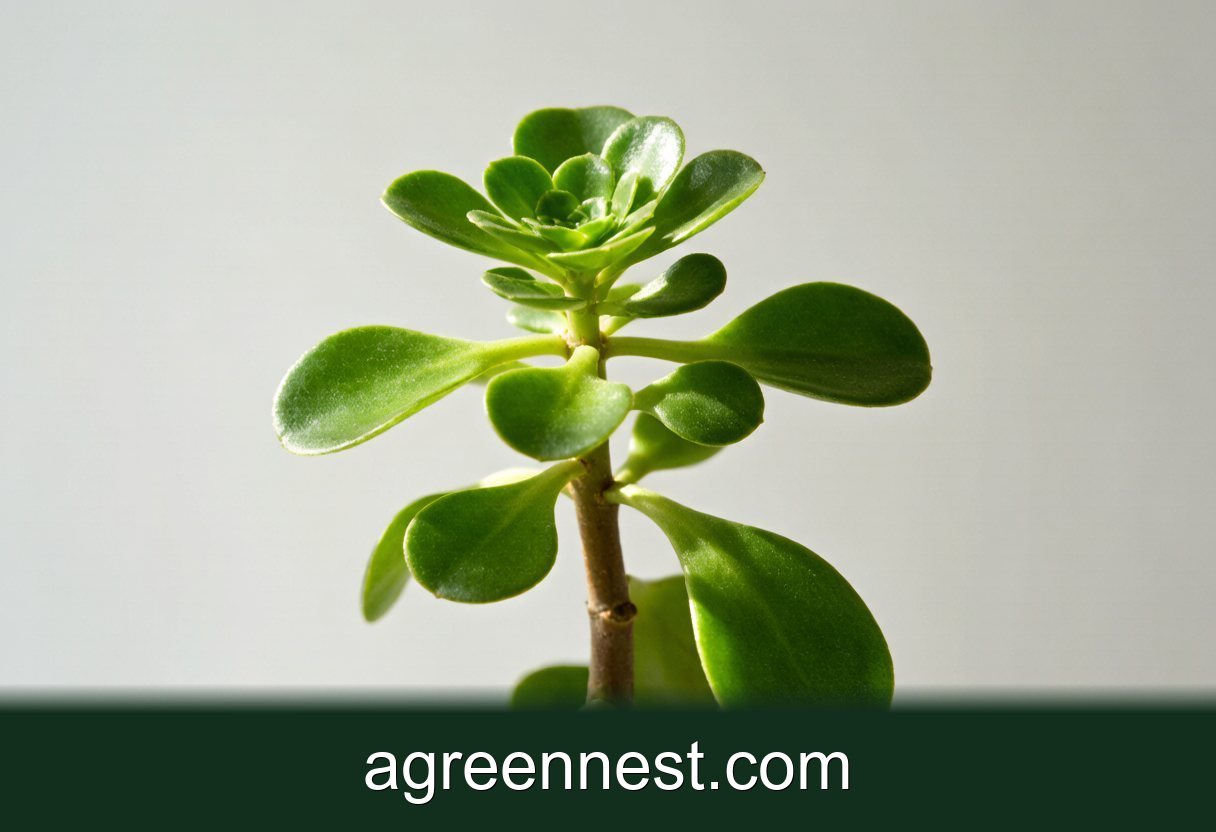
The secret to a happy Aeonium is restraint. Place it in a few hours of direct sun, then wait until the soil is bone dry before watering (every 2-3 weeks in summer, less in winter). Use a lean, sandy soil and a porous pot so excess moisture escapes fast and rot never gets started.
Meet the Two Aeoniums
Aeonium is a genus of rosette forming succulents from the Canary Islands and North Africa, and two kinds suit newcomers best. One is the Tree Aeonium, known to science as Aeonium arboreum. A second worth knowing is the Kiwi Aeonium, formally Aeonium kiwi. Both build striking rosettes, both love sunshine, and both behave a little differently from the typical desert cactus.
My first arboreum came from a garden centre marked down to almost nothing. It looked leggy and sad, yet one season of correct light turned it into the centrepiece of my sunny windowsill. They shrug off dry room air and ask only for light and restraint, which makes them ideal for forgetful owners.
What Makes These Two Different?
Shape is the easiest way to tell them apart. Aeonium arboreum grows a bare, branching trunk that can reach 60 to 90 cm indoors, holding open rosettes on top like small trees. Aeonium kiwi stays shorter and branches close to the pot, forming a dense mound of rosettes that rarely passes 30 cm.
Colour gives the second clue. Arboreum stays plain green, and some forms darken to near black in the cultivar Schwarzkopf. Kiwi wears a green centre, yellow edges, and pink margins that deepen in cool bright weather. That pink flush is the reason most people buy it on sight.
Growth rhythm is the third difference. Arboreum rests during hot summer weather and grows through the cooler months. Kiwi keeps a steadier pace but still slows in deep heat. Knowing the rest period matters, because watering during a rest is the fastest route to rot. This rhythm is why a summer lull should not alarm you, because the plant is simply waiting for cooler weather to return.
How Much Sun Do They Need?
Plenty of bright light with some direct sun brings out the best colour. A south or west window is ideal, and 4 to 6 hours of direct sun each day keeps the rosettes tight. Too little light makes the stems stretch and the rosettes spread open, a condition called etiolation.
Morning sun is gentler than the hot afternoon kind. If a west window scorches the leaves, slide the pot back or add a sheer curtain. Aim for daytime temperatures around 65 to 75°F (18 to 24°C), and keep nights above 40°F (4°C) so frost never threatens the plant. In summer you can move the pots outdoors to a shady porch, where dappled light builds richer colour without any risk of scorch. During short winter days, keep them by the brightest window you have, since weak light is the main cause of stretched growth.
Watering Around the Rest Period
Soil should dry completely before the next drink. In summer, when heat pushes the plant into rest, water every 2 to 3 weeks and sometimes less. As cooler weather returns and growth resumes, usually from autumn into spring, give water every 10 to 14 days.
Always water at the soil line and never from above the rosette. Trapped water in the rosette centre invites rot and attracts fungus gnats. Pour until it runs from the drainage hole, then empty the saucer so the roots are never left standing in a puddle. Watch the lowest leaves for the cue: when they soften and wrinkle, the plant is ready to drink, and a thorough soak revives it within a day.
Signs of trouble are easy to read. Firm leaves and a tight rosette show a happy plant at a glance. Mushy, translucent leaves at the base mean too much water, while wrinkled lower leaves simply ask for a drink.
Soil and Pots That Breathe
A lean, sandy mix drains fast and mimics the rocky slopes these plants know. Use two parts coarse sand or grit, one part potting soil, and one part perlite for structure. Mix should feel almost dry an hour after watering, which tells you the balance is right. Avoid rich, peat heavy mixes that stay wet for days, because Aeoniums rot in cold, sour soil far faster than they ever dry out.
Choose a porous pot with a wide drainage hole. Terracotta suits Aeoniums because it dries the root zone between rains. Repot only every 2 to 3 years, and keep the new pot just 2 to 3 cm wider than the old one to avoid wet, unused soil.
When Should You Propagate?
Spring is the prime time to multiply your plants. Cut a rosette with a short length of stem, then let the cut end dry for 2 to 3 days until a skin forms. Lay it on dry soil in bright light, and roots follow within 3 to 4 weeks.
A leaf alone rarely works with Aeoniums, so always include a sliver of stem. Keep the cuttings warm, near 70°F (21°C), and out of harsh sun until they anchor. One trunk can yield several new plants, which is a cheerful way to share the hobby with friends. Spring cuttings root so readily that even a novice can fill a windowsill, and passing spares to friends is half the pleasure.
Frequently Asked Questions
Q: Which Aeonium is best for a small shelf?
A: Kiwi Aeonium, Aeonium kiwi, stays under 30 cm and branches low, so it fits where the taller arboreum would crowd the space.
Q: Why are my Aeonium leaves dropping in summer?
A: A summer rest is normal for Aeonium arboreum, and lower leaves shed as it pauses. Cut water back and wait for cooler weather to resume growth.
Q: Can these two share one pot?
A: They can, because both want strong light and sparse water, and a mixed bowl looks striking through the year.
Collecting one genus teaches you to read a plant's mood instead of guessing. These two Aeoniums reward patience and a steady hand with water, and they bring architecture to a sunny room. Pair your favourites with the light calculator to place them where the light is right, and enjoy watching the rosettes tighten with the seasons.
Recommended Tools for Succulent Care
Free, no-signup helpers matched to this guide.
Free Ebooks to Explore
Downloadable handbooks — no email required.
Free Ebook
The AGreenNest Succulent Care Handbook
The complete, beginner-to-confident guide to growing fat, happy succulents — 10 chapters and a 20-plant directory.
Sources & further reading
GreenNest authors research and write every guide independently. The external links below are reputable references we recommend for deeper reading — they are not the sources we copied from.
- UF/IFAS Gardening Solutions — UF/IFAS
- Aggie Horticulture (Texas A&M) — Texas A&M AgriLife
- Cornell Garden-Based Learning — Cornell University
Share Your Plant Story
Grown something tricky, or found a trick that finally worked? Tell us in the comments, or see what other readers are sharing on our Community page. The best reader tips get folded back into our guides.
Join the Conversation
Have a tip or a question about Aeonium Care: 2 Species for Beginners? Share it below — comments are saved on our server.