 AGreenNest
Succulent Care
Kiwi Aeonium Care Guide (Aeonium kiwi)
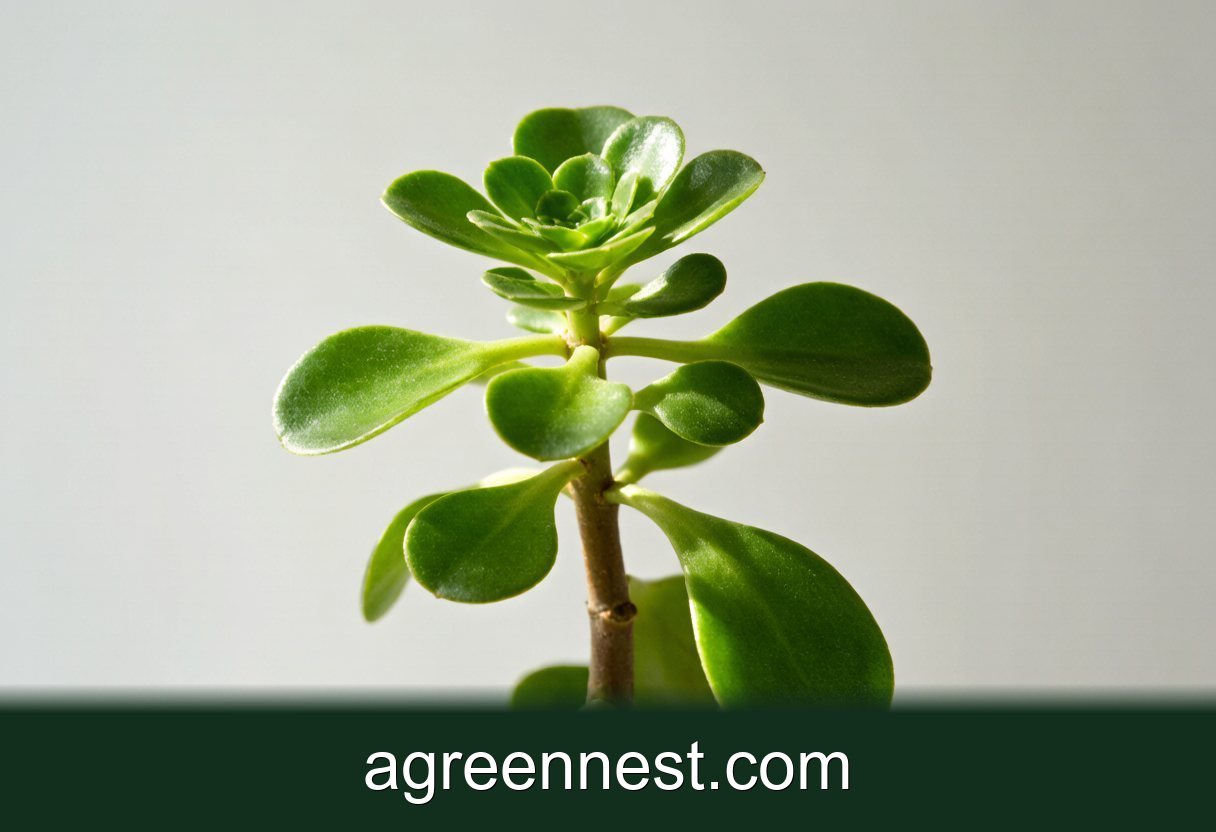
If you are new to Kiwi Aeonium Care Guide (Aeonium Kiwi), keep it simple: a few hours of direct sun, and water sparsely. These plants hate wet feet, so always let the soil dry completely between drinks (14 days between waterings). A shallow terracotta pot with gritty soil is the safest setup, and a bright windowsill does the rest.
Getting to Know the Kiwi Aeonium
The first time I saw Aeonium kiwi at a friend's windowsill, the colours stopped me in my tracks. Each rosette showed a green centre fading to yellow, then tipped with pink, like a tiny painted target. This cultivar of Aeonium arboreum earns its nickname from that tricolor display, and it stays compact enough for a small pot. In a 4 to 6 inch pot it forms a low mound roughly 6 to 10 inches across, so it tucks neatly onto a shelf without crowding neighbours.
Aeonium kiwi comes from the Canary Islands, where its relatives clamber over rocky cliffs. Unlike many succulents, it grows most actively through the cooler months and slows right down when summer turns hot. Gardeners love it for that quirk, because it brings colour to a windowsill in late autumn and winter when little else is doing much. Mature plants may send up a long flower stalk in spring, though indoor specimens bloom only every few years, and the show is worth the wait.
How Much Light Does a Kiwi Aeonium Need?
Bright light is the secret to those pink margins. Aim for four to six hours of strong light each day, and allow some direct morning sun to deepen the colour. In a dim corner the rosettes stretch and the leaves turn plain green, which is the plant's quiet way of asking for more sun.
A south or west facing window suits it best. During the low light of deep winter, the colours can fade a little even on a bright sill, so I sometimes add a small grow light for two to three extra hours. Watch the leaf tips: when they blush pink, you know the light is right. When I travel in winter, I leave the grow light on a timer for ten to twelve hours, which keeps the colours from sliding back to green.
What Is the Best Watering Schedule?
These plants hate wet feet, so let the soil dry out completely between drinks. Through the active growing period from autumn to spring, a thorough soak every 12 to 16 days keeps them content, with 14 days as a dependable middle mark. Once the heat of summer arrives and growth slows, cut right back to perhaps one light watering every 28 to 35 days. A finger pushed two inches into the mix is my favourite gauge: if it feels cool and damp, wait another three to four days.
I once lost a young Aeonium kiwi to a well meaning neighbour who watered it weekly during a heatwave. The base went soft and the stems collapsed before I could intervene. Deep but occasional is the rule: pour until water exits the drainage hole, then leave it be. A gritty mix makes this rhythm safe, because excess water drains away instead of lingering.
Soil, Pot, and Temperature
Mix your own free draining medium rather than relying on dense garden soil. A good blend is one part standard potting soil to two parts coarse sand, with one part perlite thrown in for extra air. That combination keeps the roots dry between waterings and leaves no room for rot to start.
Pick a shallow terracotta pot with a real drainage hole. Aeoniums have fine, shallow roots, so a wide low bowl suits them better than a deep tub. For temperature, the plant is happy between 40 and 75°F, or 4 to 24°C. It dislikes prolonged cold below 40°F (4°C), so move it indoors well before the first frost. Dry household air causes no trouble at all, and you should not mist the rosettes, since damp foliage invites rot more than it helps. Repot only every two to three years, because the roots prefer to be a little snug, and fresh gritty mix each time keeps the drainage honest.
How Do You Propagate a Kiwi Aeonium?
Stem cuttings are the simplest path. Take a short rosette topped cutting, then set it aside in a dry, shaded spot for two to three days so the cut end forms a callus. Once that skin has hardened, press it lightly into barely moist soil and wait. Roots usually appear within three to five weeks if you resist watering too soon.
Leaf pulls rarely succeed with aeoniums, so stick with stems for reliable results. When the new plant shows fresh, firm growth, shift it onto the regular fortnightly schedule and treat it exactly like the parent. Keep the callusing cutting in bright indirect light, not full sun, and resist the temptation to water until you see resistance when you give the stem a gentle tug.
Common Troubles and Easy Fixes
Stretched, open rosettes mean the plant needs brighter light, so move it closer to the glass. A mushy or yellowing base points to overwatering, and the fix is to let the soil dry and check the roots for black sections. Brown, crispy edges often signal dry air or a build up of salts from tap water, so flush the pot every couple of months. If a stem goes bald and leggy, behead it and replant the tip, then let the bare base sprout fresh rosettes.
Mealybugs occasionally settle in the rosette. Dab each one with a cotton swab dipped in rubbing alcohol, and the colony usually clears within a week. Beyond that, this is a remarkably undemanding little plant.
Frequently Asked Questions
Q: How often should I water a Kiwi Aeonium?
A: Roughly every 12 to 16 days in active growth and far less during the summer slowdown.
Q: Is the Kiwi Aeonium safe around pets?
A: No, the sap and leaves can irritate cats and dogs, so site the pot out of their reach.
Q: Why did my plant turn green?
A: It is reaching for more light, so move it to a brighter window or add a grow light to bring the pink back.
There is real joy in a succulent that keeps performing when the rest of the windowsill goes quiet. My Aeonium kiwi has become the plant I point to when friends say they cannot grow anything. Give it light, give it patience between waterings, and it will paint your winter with green, gold, and pink. On grey February afternoons, those pink tips are the brightest thing in my flat, and I count that as a small daily gift.
Sources & further reading
GreenNest authors research and write every guide independently. The external links below are reputable references we recommend for deeper reading — they are not the sources we copied from.
- Missouri Botanical Garden — Missouri Botanical Garden
- Cornell Garden-Based Learning — Cornell University
- Clemson Home & Garden Information Center — Clemson Extension
Recommended Tools for Succulent Care
Free, no-signup helpers matched to this guide.
Free Ebooks to Explore
Downloadable handbooks — no email required.
Free Ebook
The AGreenNest Succulent Care Handbook
The complete, beginner-to-confident guide to growing fat, happy succulents — 10 chapters and a 20-plant directory.
Share Your Plant Story
Grown something tricky, or found a trick that finally worked? Tell us in the comments, or see what other readers are sharing on our Community page. The best reader tips get folded back into our guides.
Join the Conversation
Have a tip or a question about Kiwi Aeonium Care Guide (Aeonium kiwi)? Share it below — comments are saved on our server.