 AGreenNest
Succulent Care
Topsy Turvy Care Guide (Echeveria runyonii)
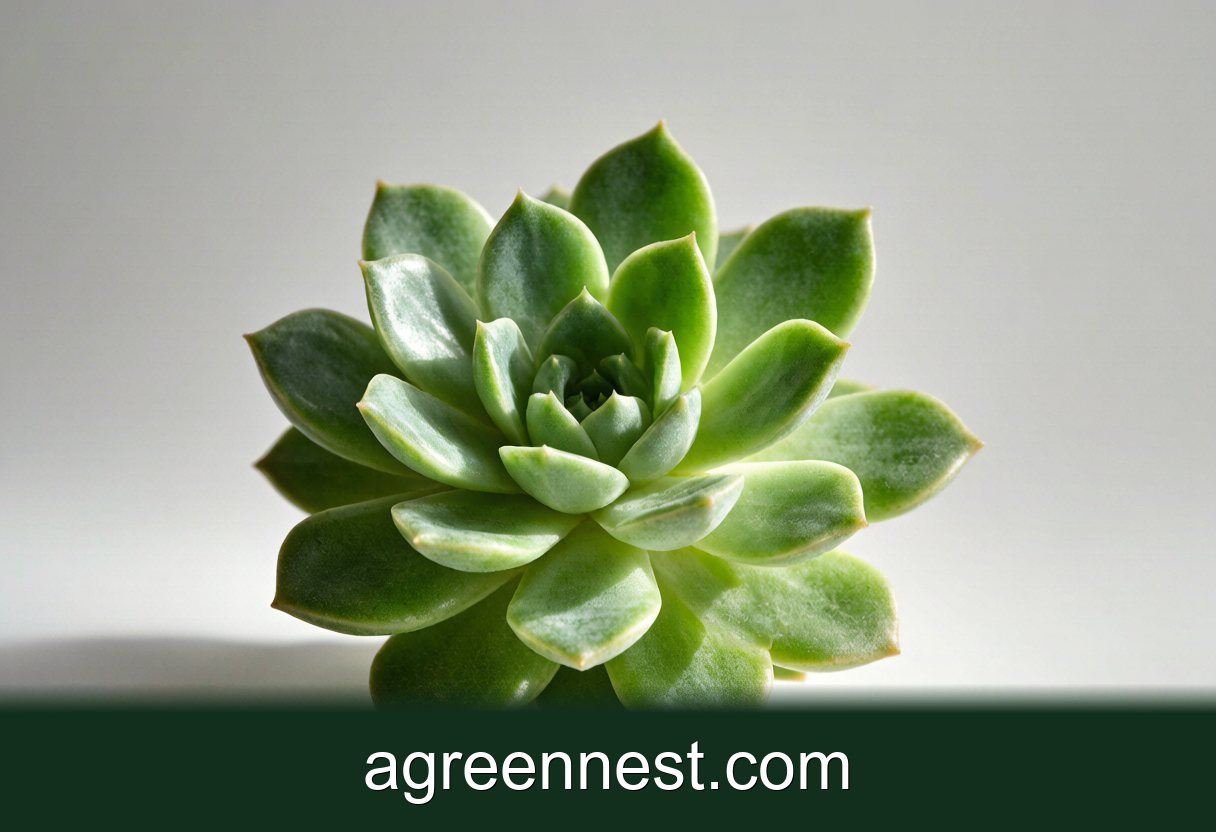
Topsy Turvy Care Guide (Echeveria Runyonii) stores moisture in its leaves, so it tolerates some neglect. Give it a few hours of direct sun and water only when the potting mix has fully dried out (14 days between waterings). Plant it in a gritty, fast-draining mix and a terracotta pot to keep the roots healthy and rot-free.
Topsy Turvy at a Glance
| Care factor | What Topsy Turvy wants |
|---|---|
| Light | full, direct sun for most of the day |
| Water | water deeply only when the soil has dried out completely, roughly every 14 days in the growing season, and far less in winter |
| Temperature | comfortable between 50 and 80°F (10 and 27°C) |
| Humidity | dry air is fine |
| Soil | a gritty, free-draining succulent mix |
| Difficulty | straightforward with the basics right |
| Pet safe | no, keep it away from cats and dogs |
The first time I met a Echeveria runyonii on a friend's windowsill, I thought the leaves were damaged. Each one curls upward and inward like a tiny scoop, which looks unusual next to the flat rosettes most people picture. That quirky shape is the whole reason this plant earned the nickname Topsy Turvy. It is a slow, forgiving succulent that suits a busy person who forgets to water. Give it the basics and it will sit happily for years.
Topsy Turvy stores water inside its thick leaves, which explains a lot about how you should treat it. The plant expects a dry spell between drinks and a bright spot to call home. Below you will find the practical routine I use, with the numbers that actually matter.
Why Do the Leaves Curl Upward?
The curl is genetic, not a cry for help. The species Echeveria runyonii carries the name of Robert Runyon, who collected it in Texas, and the unusual leaf form helps the plant shed heat and channel a little extra light toward its center. New growers often worry when they see the scooped shape, but leave it alone. A Topsy Turvy that loses its curl is usually a sign of too little sun, because stretched, flattened growth means the rosette is reaching for light.
Color tells you a second story. In strong sun the leaves take on a pink or lavender blush along the tips. Move the pot to dimmer conditions and the blush fades to plain grey green within a few weeks. Both states are healthy, so read the color as a sun gauge rather than a warning.
Light Needs
Place Topsy Turvy where it gets direct sun for at least four to six hours a day. A south or west facing window works best in most homes. Without enough light the rosette opens up and the stem leans toward the glass, a habit called etiolation. If your only bright spot is a north window, add a small grow light on a timer for 12 hours daily.
Morning sun is gentler than the hot afternoon kind. In summer, a sheer curtain can soften the strongest rays without stealing the light the plant wants. Watch the leaf tips through the seasons and shift the pot as needed.
How Often Should You Water?
Water deeply only when the potting mix has dried out completely. During spring and autumn, that schedule lands around every 14 to 21 days in my home. In winter, when growth slows, I stretch it to every 30 to 40 days and sometimes skip a month entirely. The safest test is to feel the soil two inches down with a finger. If it is still cool or damp, wait.
Always water at the base and let the excess run through the drainage hole. Never let the pot sit in a saucer of water, because soggy roots rot fast in this species. A thin stream from a watering can beats a drenching shower, and it keeps the leaves dry.
Soil and Pot
Use a gritty, free draining succulent mix built from one part standard potting soil, one part coarse sand, and two parts perlite or pumice. That blend holds just enough moisture for a single drink and then dries quickly. A shallow terracotta pot is my favorite choice, since the clay pulls water out of the soil and reduces the risk of rot.
Repot only every two to three years, or when you see roots crowd the drain hole. Go up one pot size at most. A pot that is too large holds extra soil, and extra soil holds extra water, which is the one thing this plant will not forgive.
Should You Fertilize Topsy Turvy?
Feed lightly. During spring and summer I use a balanced 20-10-20 fertilizer mixed at one quarter strength, about once a month with a normal watering. Skip fertilizer entirely in autumn and winter while the plant rests. Too much food forces weak, watery growth that the plant cannot support, so when in doubt, feed less.
Temperature and Humidity
Topsy Turvy is comfortable between 50 and 80°F (10 and 27°C). It shrugs off dry household air without complaint, so you do not need a humidifier. What it cannot take is a frost, so bring it indoors before the first cold night if you keep it on a balcony through summer. A sudden drop below 40°F (4°C) can scar the leaves permanently.
During the hottest weeks I move mine a foot back from the glass to avoid leaf scorch. The plant still gets bright light, just not the magnified heat of the pane.
How to Propagate Topsy Turvy
The easiest route is a single leaf laid on dry soil or an offset pup pulled from the base. Twist the leaf cleanly so the base stays intact, then set it aside for one to two days so the wound calluses over. Place it on top of dry mix and mist lightly every few days once you see tiny roots.
Offsets can be separated with a clean knife and potted straight into their own small container. Keep new plants in bright, indirect light for the first two weeks while the roots settle. Within a month you should see fresh growth at the center.
Common Problems and Fixes
Leaning or stretched growth means the plant wants more light. Move it to a brighter window or add a grow light.
A mushy, yellow base points to overwatering. Pull the plant, trim any black roots, and let it sit out of soil for two days before repotting in fresh dry mix.
Brown, crispy edges usually come from salt buildup or very dry air. Flush the soil with plain water once, then resume the normal schedule and keep the plant away from heating vents.
Frequently Asked Questions
How often should I water Topsy Turvy?
Water deeply only when the soil has fully dried, about every 14 to 21 days in the growing season and far less in winter.
Is Topsy Turvy safe for pets?
No. The leaves can irritate cats and dogs if chewed, so keep the pot on a high shelf or a hanging planter.
Can I grow it outdoors?
Yes, in USDA zones 9 to 11. Elsewhere, treat it as a summer patio plant and bring it in before frost.
Topsy Turvy rewards a little attention with years of easy beauty, and its odd curled leaves make a great conversation piece. For a personalized schedule, try our free watering calculator and pair it with the light calculator to pick the perfect spot. A single healthy rosette can become a whole shelf of plants through the simple leaf method above.
Sources & further reading
GreenNest authors research and write every guide independently. The external links below are reputable references we recommend for deeper reading — they are not the sources we copied from.
- Aggie Horticulture (Texas A&M) — Texas A&M AgriLife
- Missouri Botanical Garden — Missouri Botanical Garden
- UF/IFAS Gardening Solutions — UF/IFAS
Recommended Tools for Succulent Care
Free, no-signup helpers matched to this guide.
Free Ebooks to Explore
Downloadable handbooks — no email required.
Free Ebook
The AGreenNest Succulent Care Handbook
The complete, beginner-to-confident guide to growing fat, happy succulents — 10 chapters and a 20-plant directory.
Free Ebook
Haworthia & Haworthiopsis Care Handbook
A focused guide to the striped, forgiving Haworthia clan.
Share Your Plant Story
Grown something tricky, or found a trick that finally worked? Tell us in the comments, or see what other readers are sharing on our Community page. The best reader tips get folded back into our guides.
Join the Conversation
Have a tip or a question about Topsy Turvy Care Guide (Echeveria runyonii)? Share it below — comments are saved on our server.