 AGreenNest
Succulent Care
Mexican Firecracker Care Guide (Echeveria setosa)
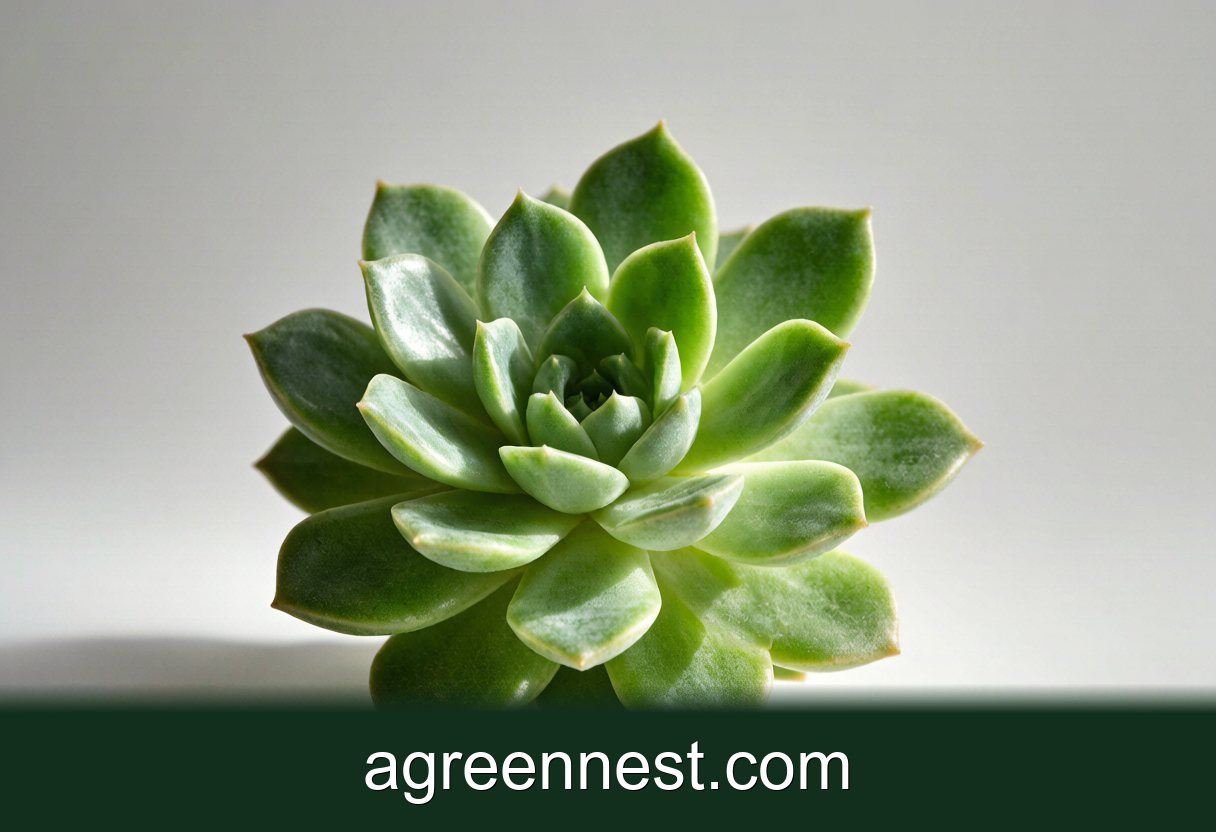
Mexican Firecracker Care Guide (Echeveria Setosa) stores moisture in its leaves, so it tolerates some neglect. Give it a few hours of direct sun and water only when the potting mix has fully dried out (14 days between waterings). Plant it in a gritty, fast-draining mix and a terracotta pot to keep the roots healthy and rot-free.
Mexican Firecracker at a Glance
| Care factor | What Mexican Firecracker wants |
|---|---|
| Light | lots of bright light and some direct sun for the best colour |
| Water | water deeply only when the soil has dried completely, roughly every 14 days in the growing season, far less in winter |
| Temperature | comfortable between 50 and 80°F (10 and 27°C) |
| Humidity | dry air is fine |
| Soil | a gritty, free-draining succulent mix |
| Difficulty | straightforward once the basics are right |
| Pet safe | no, keep it away from cats and dogs |
Echeveria setosa earns its common name from the cheerful burst of red-orange flowers that crown mature plants in late spring. The rosette stays small, usually under 15 centimetres across, which makes it a natural fit for a sunny windowsill or a shallow dish garden. Many first-time owners buy it on impulse at a garden centre and are surprised when it thrives on benign neglect. Relatives such as Echeveria elegans share the same thirst for grit and the same forgiving nature. Give the plant three things and it settles in happily: bright light, a fast-draining pot, and a watering can that stays in the cupboard most of the time.
Why Does This Succulent Look Fuzzy?
The whole plant wears a fine white fuzz of tiny hairs. Botanists call that texture setose, which is exactly where the species name comes from. Those hairs are not decoration. They trap a thin film of humidity near the leaf surface and they shade the skin from harsh rays. A well-grown specimen looks almost frosted, and the fuzz is a good sign that light levels are high enough.
Handle the leaves gently. Rubbing them smooth removes the protective coat and leaves marks that will not return until new growth forms. Keep water off the crown when you do water, because moisture trapped in the fuzzy rosette invites rot far faster than a bald leaf would.
What Light Brings Out the Best Colour?
Bright light is the secret to the pinkish flush that makes Echeveria setosa so photogenic. Aim for at least four hours of direct sun on most days, ideally from an east or west window where the morning or late afternoon light is gentle. A south window works too, though in high summer you may need to slide the pot back a little to avoid leaf scorch.
Colour fades to plain green when light drops. If your plant looks washed out by midwinter, that is normal. Grow lights bridge the gap nicely. A simple full-spectrum bulb hung 30 centimetres above the rosette for ten hours a day keeps the compact shape and the colour steady through the dark months.
How Often Should You Water It?
Water deeply only when the potting mix has dried completely. In the active growing season that usually means every 12 to 16 days, and the nugget figure of 14 days is a fair middle ground. Winter is different. Dormant plants in a cool room may need water just once every 28 to 35 days.
Use the soak and dry method. Pour until liquid runs from the drainage hole, then wait. Never let the pot sit in a saucer of leftover water. A cheap soil probe or simply lifting the pot tells you the truth: a dry pot feels noticeably light. Overwatering, not drought, is what kills this plant.
Soil, Pot, and Drainage
A gritty mix keeps roots alive. Blend three parts standard cactus compost with one part coarse pumice and one part horticultural grit, or buy a labelled succulent blend and loosen it with extra perlite. Most bagged houseplant soils hold too much water for this rosette, so the extra grit is not optional. The goal is a medium that sheds water in seconds rather than holding it against the stem.
Terracotta beats glazed ceramic for beginners. The porous wall wicks away excess moisture and the heavy base resists toppling. Choose a pot only a little wider than the rosette, roughly 2 centimetres of clearance all round, and always confirm a real drainage hole at the base.
Temperature and Humidity
Comfortable room conditions suit this species. It grows best between 50 and 80°F, which is 10 to 27°C, and it tolerates average household dryness without complaint. Protect it from cold drafts near an open window in January and from the blast of a heating vent.
Brief dips to about 40°F, or 4°C, will not kill it, but frost will. If you move it outdoors for summer, bring it back inside before the first chilly night. Humidity trays are optional; this is one plant that asks for none.
How to Propagate Mexican Firecracker
Leaf propagation is the easiest route. Twist a healthy lower leaf from the stem so the base comes away clean, then rest it on dry mix for two days so the wound calluses. After that, mist lightly every few days. Tiny pink roots and a miniature rosette usually appear within three to five weeks.
Offsets, the small pups that form at the base, can be separated at repotting. Let the cut dry for a day, then pot them in the same gritty mix. Keep new propagations in bright indirect light until they are established, and resist the urge to water them like adult plants.
Common Problems and Simple Fixes
Leaning or stretched growth means the plant wants more light. Move it brighter or add a grow light. A mushy yellow base signals overwatering, so let the soil dry and inspect the roots for black, soft sections. Brown crispy edges usually point to low humidity or fertiliser salt build-up; flush the pot with plain water and ease off feeding.
Mealybugs sometimes hide in the fuzz. Dab them with a cotton swab dipped in 70 percent isopropyl alcohol, then repeat after a week. Catching pests early keeps a single infected rosette from spreading trouble to the whole collection.
Frequently Asked Questions
Q: How often should I water Mexican Firecracker?
A: Water deeply only when the soil has dried completely, roughly every 14 days in the growing season and far less in winter.
Q: Is Mexican Firecracker safe for pets?
A: No, the leaves can irritate cats and dogs if chewed, so keep it out of reach.
Q: What light is best?
A: Bright light with at least four hours of direct sun, from an east, west, or gently screened south window.
Mexican Firecracker rewards a little attention with years of easy beauty. For a personalised schedule, try our free watering calculator and pair it with the light calculator to pick the perfect spot.
Sources & further reading
GreenNest authors research and write every guide independently. The external links below are reputable references we recommend for deeper reading — they are not the sources we copied from.
- Royal Horticultural Society — Houseplant care — RHS
- Clemson Home & Garden Information Center — Clemson Extension
- NC State Extension — Plant Toolbox — NC State Extension
Recommended Tools for Succulent Care
Free, no-signup helpers matched to this guide.
Free Ebooks to Explore
Downloadable handbooks — no email required.
Free Ebook
The AGreenNest Succulent Care Handbook
The complete, beginner-to-confident guide to growing fat, happy succulents — 10 chapters and a 20-plant directory.
Free Ebook
Haworthia & Haworthiopsis Care Handbook
A focused guide to the striped, forgiving Haworthia clan.
Share Your Plant Story
Grown something tricky, or found a trick that finally worked? Tell us in the comments, or see what other readers are sharing on our Community page. The best reader tips get folded back into our guides.
Join the Conversation
Have a tip or a question about Mexican Firecracker Care Guide (Echeveria setosa)? Share it below — comments are saved on our server.