 AGreenNest
Succulent Care
Succulent Blooms: What They Mean
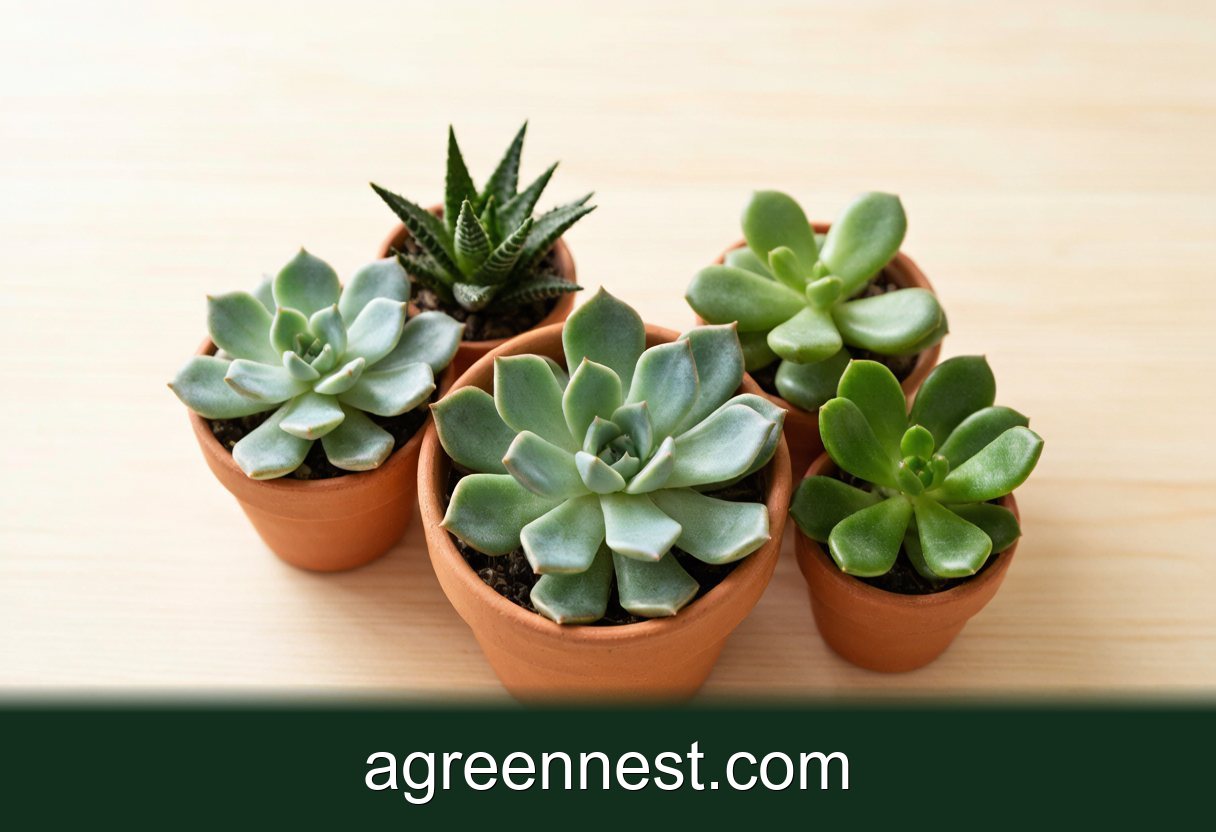
If you are new to Succulent, keep it simple: bright, indirect light (a south or east windowsill is ideal), and water sparsely. These plants hate wet feet, so always let the soil dry completely between drinks (every 2-3 weeks in summer, less in winter).
The first time one of my succulents bloomed, I almost missed it. I had kept a little Echeveria elegans on my kitchen windowsill for two winters, and one morning a thin pink stalk had crept up overnight like a quiet surprise. That moment turned me from a casual plant owner into someone who genuinely watches for flowers. That first flower is not a mystery, and it is rarely a problem, but it does tell you a story about how happy your plant really is. Over the years I have learned to read those flowers like a small report card from the plant.
Why Do Succulents Flower?
Most succulents bloom because they are mature and comfortable. In nature, a plant flowers when it has the light, food, and water reserves to invest in reproduction, and our homes are no different. When my Kalanchoe blossfeldiana throws out clusters of red and orange flowers in late winter, it is simply responding to shorter nights and steady warmth around 65 to 75°F (18 to 24°C).
Light is the engine behind almost every bloom. Plants in a dim corner may stay alive for years but will rarely flower, because they never build up the energy surplus they need. Give them a bright south or east window and you often see a stalk within a season or two.
Age matters too. A tiny nursery pup is not going to bloom in its first year, no matter how well you care for it. Many species need two to four years of steady growth before they are ready, so patience is part of the answer.
Stress can sometimes trigger flowering as well. A cool, dry spell signals the plant that conditions are right to make seeds, which is why a brief winter rest often leads to a spring show.
What the Blooms Look Like
The shapes are wonderfully varied, and half the fun is learning to recognize them. My Haworthia cooperi sends up a thin wire of tiny white bells that look almost like fairy lights. Echeveria elegans grows a tall arching stalk topped with pink and yellow flowers that hummingbirds adore.
Both aloe and Kalanchoe blossfeldiana produce tubular blooms in warm reds, oranges, and pinks, while some Sempervivum tectorum offer a single dramatic stalk that rises a foot or more above the rosette. Colours really do range from fiery red through soft peach to lemon yellow, and the show can last three to eight weeks depending on the species and the room temperature.
Some growers dry the cut stalks and keep the seed pods, which is a nice way to remember a favourite plant. Others simply enjoy the display and let it fade naturally on the plant.
How Can I Encourage More Blooms?
I have had the best luck by copying a gentle version of a desert year. In autumn I ease off the water and let my plants rest cool and dry for about eight to ten weeks, keeping daytime temperatures near 55 to 60°F (13 to 16°C). That cool, dry pause seems to flip a switch, because when I bring them back to bright light and normal watering in spring, flower stalks appear within four to six weeks.
Feed lightly. A weak balanced fertilizer once a month in spring and summer is plenty, since too much nitrogen pushes leafy growth at the expense of flowers. I use about one quarter of the label dose to avoid burning the roots.
Bright light remains the real secret. Rotating the pots a quarter turn each week lets every side get its share of sun, and moving shy bloomers to the sunniest sill you own helps too. Within a month or two the difference is usually obvious.
When Should I Worry About a Bloom?
For almost every common houseplant succulent, a flower is good news and nothing to fear. My Sempervivum tectorum and a few Agave parviflora are the exception, because they are monocarpic, meaning the whole rosette dies after it flowers. Even then, they usually leave behind pups or offsets, so the plant line continues.
On a healthy plant, that flower is a celebration. On a shrivelled plant, that flower can be a last effort, so context tells the story. Check the roots and the light before assuming the worst when a stalk appears on a plant you thought was struggling.
How Long Do the Blooms Last?
Most flowering periods run three to eight weeks, though some Kalanchoe blossfeldiana clusters linger for two months or more with steady light. Once the petals dry, you can snip the stalk near the base to keep the plant tidy.
Leave the stalk in place if you prefer, since it does no harm and the plant will reabsorb some nutrients from it. Either way, the leaves keep growing and the next bloom is simply a matter of time and good care.
Frequently Asked Questions
Q: How do I get more blooms on my succulent?
A: Give it the brightest light you can, a cool dry rest of eight to ten weeks in winter, and a light spring feeding, and most mature plants will flower within a couple of months.
Q: Should I cut the flower stalk off?
A: Only if you dislike the look or the stalk is draining a small plant. Leaving it does no harm, and you can enjoy the flowers until they fade and dry on their own.
Q: My succulent never flowers. Is it sick?
A: Probably not. It is likely too young, too dimly lit, or never given a cool dry rest, so try more light and a winter pause before worrying.
A bloom is the plant's quiet thank you for good care, and chasing that first flower is a lovely reason to pay closer attention. If you are unsure whether your spot is bright enough, try the light calculator and find the perfect windowsill for your bloomers.
Sources & further reading
GreenNest authors research and write every guide independently. The external links below are reputable references we recommend for deeper reading — they are not the sources we copied from.
- Royal Horticultural Society — Houseplant care — RHS
- Missouri Botanical Garden — Missouri Botanical Garden
- NC State Extension — Plant Toolbox — NC State Extension
Recommended Tools for Succulent Care
Free, no-signup helpers matched to this guide.
Free Ebooks to Explore
Downloadable handbooks — no email required.
Free Ebook
The AGreenNest Succulent Care Handbook
The complete, beginner-to-confident guide to growing fat, happy succulents — 10 chapters and a 20-plant directory.
Free Ebook
Haworthia & Haworthiopsis Care Handbook
A focused guide to the striped, forgiving Haworthia clan.
Share Your Plant Story
Grown something tricky, or found a trick that finally worked? Tell us in the comments, or see what other readers are sharing on our Community page. The best reader tips get folded back into our guides.
Join the Conversation
Have a tip or a question about Succulent Blooms: What They Mean? Share it below — comments are saved on our server.