 AGreenNest
Succulent Care
5 Succulent Care Myths That Actually Kill Plants
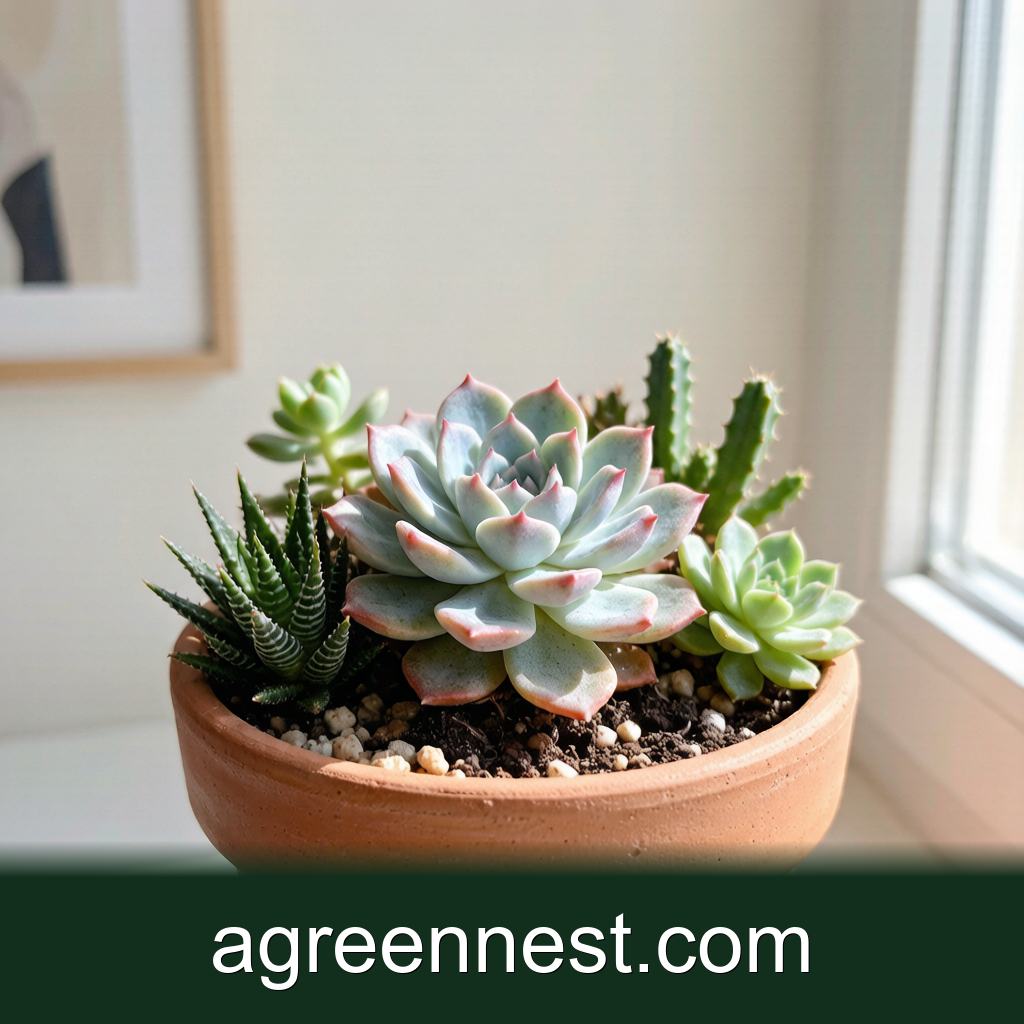
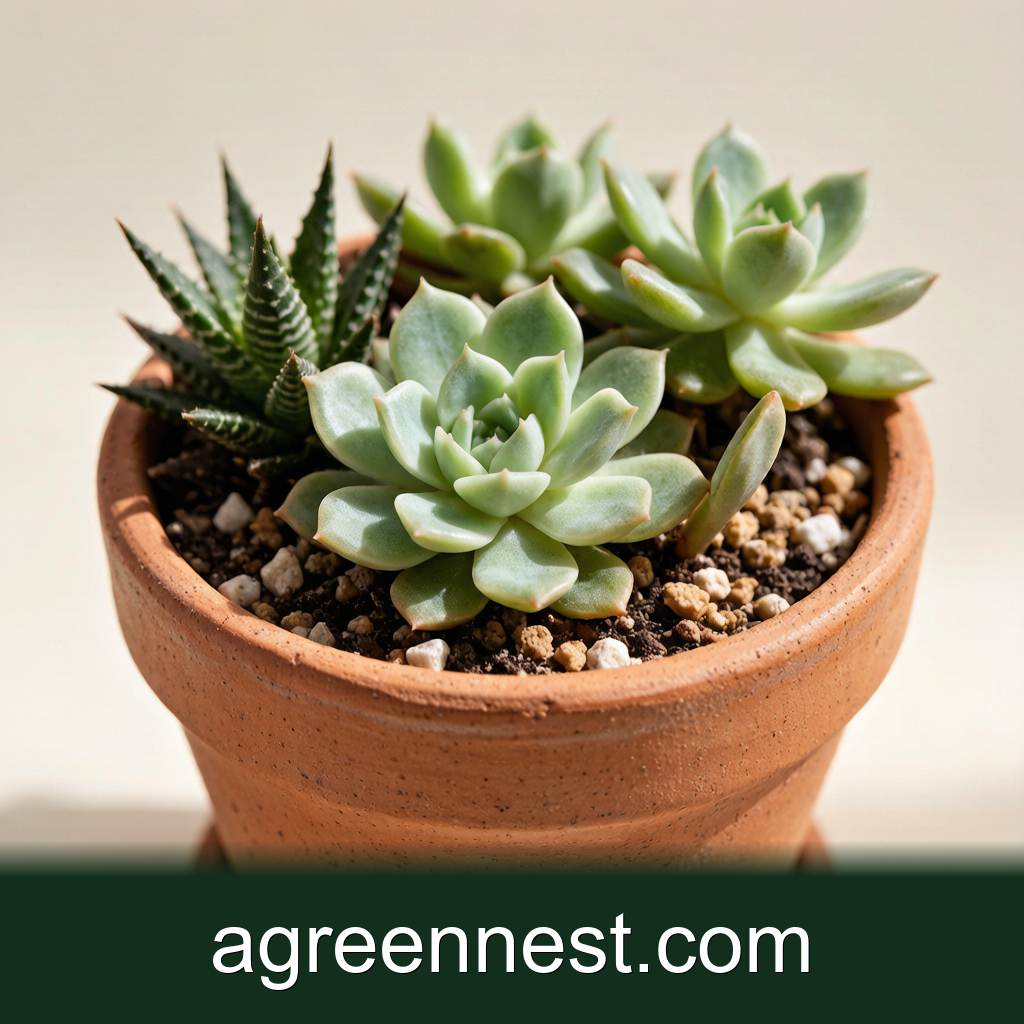
If you are new to 5 Succulent Care Myths That Actually Kill Plants, keep it simple: bright, indirect light, and water sparsely. These plants hate wet feet, so always let the soil dry completely between drinks (10 days between waterings). A shallow terracotta pot with gritty soil is the safest setup, and a bright windowsill does the rest.
Most succulent advice I trusted as a beginner came wrapped in confidence and very little fact. A friend insisted on full sun and zero water, and two summers of crisping rosettes taught me otherwise. These plants are survivors rather than martyrs, and the habits that kill them are usually the ones repeated with the most certainty. New growers fall hardest for the sun story, because desert photos sell the fantasy. Panic over a fading rosette usually means one wrong habit repeated for months.
Do Succulents Really Love Full Sun All Day?
South-facing glass in July turns a windowsill into a skillet. My first Echeveria elegans lost half its leaves to scorch after one hot week on the pane. Bright indirect light suits most rosettes better, about four to six hours of soft morning sun or steady bright shade through the day. Midday beams magnified through glass burn tissue before the plant can toughen up. Shade-loving Haworthia cooperi and Gasteria grow on African forest floors and prefer sitting a metre off the glass. When a plant stretches pale and leans, it needs more light rather than a hotter spot. Slide it to a brighter shelf before the stem turns woody and beyond rescue. Morning light from an east window builds colour without the burn of midday.
Should You Stop Watering Because They Store Water?
Storing moisture in the leaves forgives a missed week, never a missed season. Roots still crave a deep soak to refill the plant, and months of bone-dry soil will shrivel even a tough Sedum. Water hard, then let everything drain, and that rhythm keeps most succulents content. At my place the schedule runs every seven to ten days in summer and every three to four weeks in winter. Winter rest matters: a cool, dry spell near 50°F (10°C) sets buds for the next season. A finger pushed two to three centimetres down tells me when the mix is truly dry. Cooler rooms stretch the interval, so watch the soil instead of the date. One light feed at quarter strength each month in spring keeps colour without pushing soft growth. Rainwater or distilled water avoids the chalky deposits tap water leaves behind.
Why Does Bagged Cactus Soil Rot Roots?
Bags labelled cactus mix are often sixty to seventy percent peat and compost, holding water for days. That soggy core is the rot cause I meet most often. Gritty blends let water clear the pot in seconds and leave air around the roots. I rebuild mine from three equal parts: compost, coarse grit, and perlite. Daytime comfort sits between 65 and 75°F (18 and 24°C), with nights dipping to about 50°F (10°C) in winter. Within two days a dry top layer appears instead of a damp clump, and the plant shows it. Repot every spring so the grit stays loose and the roots stay cool.
Can Misting Replace Proper Watering?
Misting invites crown rot faster than almost any other habit. The rosette cups water at its centre, so a damp heart in still air breeds fungus at the growth point. Tropical Calathea enjoys humidity, but a succulent wants dry leaves and a moist root zone. During propagation, mist only the cut, never the whole plant. For everyday care, water the soil and keep foliage dry. Cheap meters read that two to three centimetre depth quicker than a finger and spare beginners their usual fear. Moving air from a small fan also discourages the fungus a damp rosette invites.
How Do You Fix a Stretched Succulent?
Extra sun tightens the new tip growth and brings back colour on a leggy Echeveria. Below that point the bare stem stays bald, because stretch is permanent on old wood. Beheading rescues the plant cleanly. Cut the rosette free with a few centimetres of stem, callus the wound two to three days, then root it in gritty mix. Bright, barely moist conditions until roots grip give the best odds. Side pups often emerge from the old base if left in good light, so keep it rather than bin it. Patience with the cutting pays off faster than another dose of sun.
Frequently Asked Questions
Why did my succulent rot at the base when I watered only monthly?
The mix was probably too organic and stayed wet at the core for a week. Watering less cannot rescue a soil that hoards moisture, so switch to a gritty one-part-compost, one-part-grit, one-part-perlite blend and the rot stops.
Can I keep my Haworthia on the same sunny sill as my Echeveria?
Not at the same depth, no. Haworthia wants bright shade a metre or so off the glass, while Echeveria takes more direct morning sun. Slide the Haworthia back from the hottest pane or it will scorch.
How do I tell the soil is dry enough without guessing?
Push a finger two to three centimetres down; if it feels dry there, water. A moisture meter reads the same depth in seconds and helps you avoid the overcautious underwatering that stunts young plants.
Most succulent losses trace back to advice that is half right, not to neglect. Dry soil between drinks, bright indirect light, and a gritty mix answer almost every problem these little plants raise. When a rosette looks off, slow down and check the soil before changing anything else, because the fix is usually smaller than the panic.
Recommended Tools for Succulent Care
Free, no-signup helpers matched to this guide.
Free Ebooks to Explore
Downloadable handbooks — no email required.
Free Ebook
The AGreenNest Succulent Care Handbook
The complete, beginner-to-confident guide to growing fat, happy succulents — 10 chapters and a 20-plant directory.
Free Ebook
Haworthia & Haworthiopsis Care Handbook
A focused guide to the striped, forgiving Haworthia clan.
Sources & further reading
GreenNest authors research and write every guide independently. The external links below are reputable references we recommend for deeper reading — they are not the sources we copied from.
- NC State Extension — Plant Toolbox — NC State Extension
- Clemson Home & Garden Information Center — Clemson Extension
- Royal Botanic Gardens, Kew — Kew Gardens
Share Your Plant Story
Grown something tricky, or found a trick that finally worked? Tell us in the comments, or see what other readers are sharing on our Community page. The best reader tips get folded back into our guides.
Join the Conversation
Have a tip or a question about 5 Succulent Care Myths That Actually Kill Plants? Share it below — comments are saved on our server.