 AGreenNest
Succulent Care
Cobweb Houseleek Care Guide (Sempervivum arachnoideum)
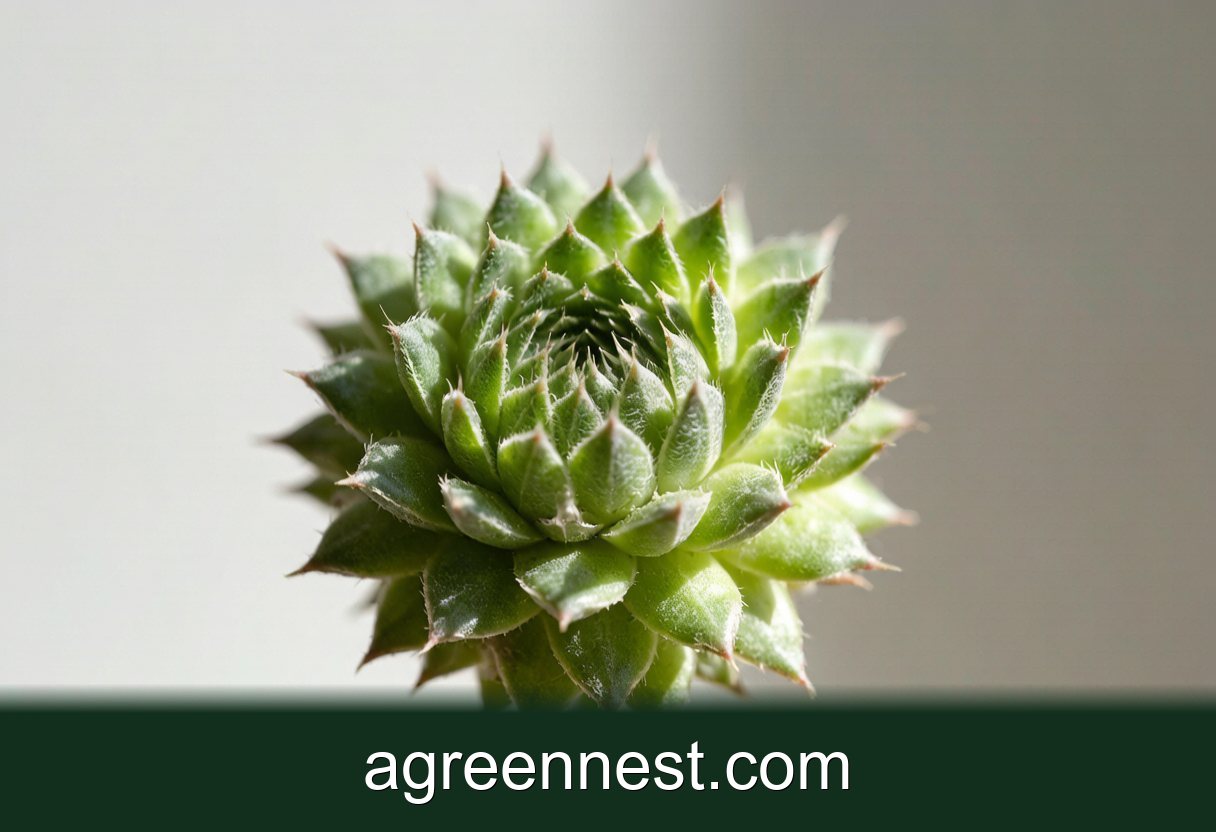
If you are new to Cobweb Houseleek Care Guide (Sempervivum Arachnoideum), keep it simple: a few hours of direct sun, and water sparsely. These plants hate wet feet, so always let the soil dry completely between drinks (18 days between waterings). A shallow terracotta pot with gritty soil is the safest setup, and a bright windowsill does the rest.
Cobweb Houseleek at a Glance
| Care factor | What Cobweb Houseleek wants |
|---|---|
| Light | full, direct sun for most of the day |
| Water | water deeply only when the soil has dried out completely, roughly every 18 days in the growing season, and far less in winter |
| Temperature | comfortable from minus 10 to 80°F, or minus 23 to 27°C |
| Humidity | dry air is fine |
| Soil | a gritty, free-draining succulent mix |
| Difficulty | very easy, great for beginners |
| Pet safe | yes, it is generally regarded as pet-safe |
Sempervivum arachnoideum caught my eye at a garden show years ago. A vendor had a tray of tiny rosettes strung with what looked like fine white thread. I thought the cobweb was decoration until she explained it is the plant's own doing. That little trick explains the common name, and this is one of the few succulents that can sit on a freezing windowsill yet still look cheerful.
New growers sometimes fear they will underwater it. The opposite is usually the problem. These plants come from rocky mountain slopes where rain is brief and drainage is instant. Stored moisture in the leaves carries them through busy weeks, which makes them a calm companion for a hectic schedule.
Light Needs
Cobweb Houseleek wants full, direct sun for most of the day. South or west windows are ideal, and a bright outdoor sill in summer suits it even better. Surviving real outdoor winters down to hardiness zone 5 sets it apart from most houseplants. My balcony holds a pot from May through October, after which I tuck it against the coldest window indoors.
Without enough light the rosettes stretch and the web thins out. Move the plant to stronger sun before changing anything else if yours looks loose and pale. Grow lights running 10 to 12 hours a day can rescue a plant kept in a dim flat, and the tight form usually returns within a month or two.
How Often Should You Water It?
Water deeply only when the soil has dried out completely, roughly every 18 days in the growing season, and far less in winter. Spring and summer soaks reach my indoor plants about every two and a half weeks in practice. Once the light fades in late autumn, a monthly drink is plenty, and the deepest winter sometimes passes with no water at all.
The pinch test works well. Squeeze a leaf gently. Firm and plump means leave it. Wrinkled or yielding foliage is the cue to water. Shallow terracotta pots dry fast, matching the plant's dislike of damp roots. Never let a saucer hold water under this one, since the crown rots the moment it stays wet and cold.
Soil and Pot
Use a gritty, free-draining succulent mix. My own blend is 2 parts coarse sand to 1 part potting soil, plus a scoop of fine gravel on top. Drainage holes are non-negotiable. Sitting in water is the fastest way to lose a Cobweb Houseleek, because the crown rots the instant it stays wet and cold.
Shallow containers are best. Small roots hug the surface, so a deep pot only collects moisture the plant cannot use. Each pot gets a top layer of small pebbles from me, which keeps the lower leaves off damp soil and shows off the web. Good drainage is the whole game with this genus.
What Temperature Does It Like?
Comfortable from minus 10 to 80°F, or minus 23 to 27°C, this plant barely notices dry air. Frosty ledges at 20°F, about minus 7°C, have left mine unfazed. Cold paired with wet is the real threat, so hold off watering whenever the forecast dips below freezing.
Summer heat above 80°F, or 27°C, simply slows the plant down. Afternoon shade on a baking window lets it resume growth when things cool. Breezy air matters more than any spray, and a ventilated sill keeps the crown dry through warm months.
How to Propagate Cobweb Houseleek
An offset pup pulled from the base is the easiest start. Those little rosettes appear around the mother plant and root readily once separated. Let the pulled end dry a day or two, then set it on barely moist soil and leave it be. Fresh seed on the surface also works, though steady warmth near 70°F, or 21°C, and more patience are required.
Early summer finds me lining a shallow tray with pups. Tiny cobwebs carpet the tray within a month, then become gifts for friends. Keep new pups from harsh midday sun until they anchor, because strong light scorches their fresh roots.
Common Problems and Fixes
Leaning or stretched growth means it wants more light. Brighter placement or a grow light keeps the new rosettes tight. Mushy, yellow center leaves point to overwatering. Let the soil dry out completely and check the crown for black, soft spots. Brown, crispy edges usually signal low humidity or fertilizer salt build up. Flush the soil with plain water every few months and keep feeding light.
Frequently Asked Questions
Q: How often should I water Cobweb Houseleek?
A: Water deeply only when the soil has dried out completely, roughly every 18 days in the growing season, and far less in winter. Always let the mix go bone dry first, since a thirsty plant recovers far faster than a soggy one.
Q: Is Cobweb Houseleek safe for pets?
A: Yes, it is generally regarded as pet safe, though the gritty soil can be messy if a pet decides to dig.
Q: Why are the leaves changing colour?
A: Slight colour shift with the seasons is normal. Dramatic scorch means too much direct sun, while fading to plain green means it wants more light.
Cobweb Houseleek rewards a little attention with years of easy beauty. It taught me that some plants want less, not more, from their keeper. For a personalised schedule, try our free watering calculator and pair it with the light calculator to pick the perfect spot. Give it sun, give it dryness, and it will spread.
Sources & further reading
GreenNest authors research and write every guide independently. The external links below are reputable references we recommend for deeper reading — they are not the sources we copied from.
- Cornell Garden-Based Learning — Cornell University
- Royal Horticultural Society — Houseplant care — RHS
- Aggie Horticulture (Texas A&M) — Texas A&M AgriLife
Recommended Tools for Succulent Care
Free, no-signup helpers matched to this guide.
Free Ebooks to Explore
Downloadable handbooks — no email required.
Free Ebook
Sempervivum (Hens & Chicks) Care Handbook
The hardy succulents that survive real winters outdoors.
Free Ebook
The AGreenNest Succulent Care Handbook
The complete, beginner-to-confident guide to growing fat, happy succulents — 10 chapters and a 20-plant directory.
Share Your Plant Story
Grown something tricky, or found a trick that finally worked? Tell us in the comments, or see what other readers are sharing on our Community page. The best reader tips get folded back into our guides.
Join the Conversation
Have a tip or a question about Cobweb Houseleek Care Guide (Sempervivum arachnoideum)? Share it below — comments are saved on our server.