 AGreenNest
Succulent Care
Sempervivum Care: 2 Species for Beginners
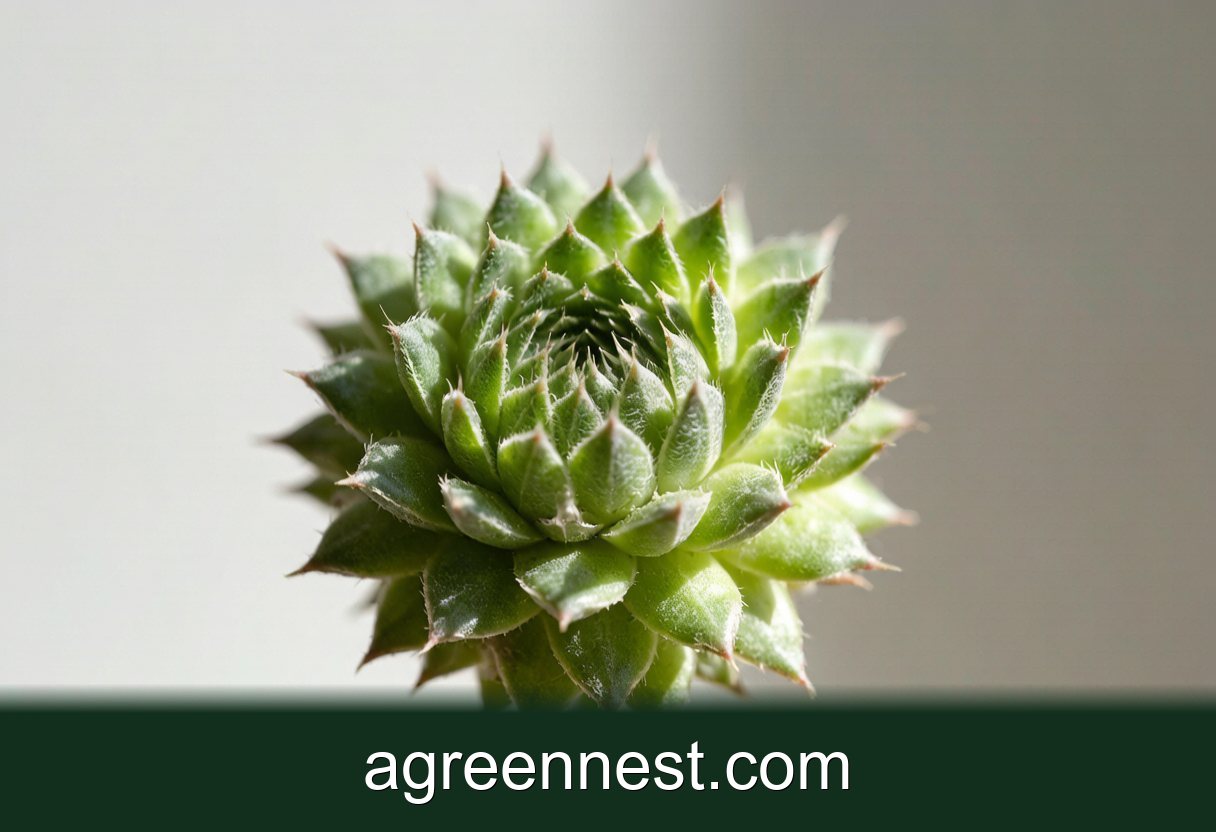
If you are new to Sempervivum, keep it simple: a few hours of direct sun, and water sparsely. These plants hate wet feet, so always let the soil dry completely between drinks (every 2-3 weeks in summer, less in winter). A shallow terracotta pot with gritty soil is the safest setup, and a bright windowsill does the rest.
Why do Sempervivum love the sun so much?
Once, a friend handed me my first Sempervivum as a tiny chick in a paper cup. There it sat on a south-facing sill, forgotten for a fortnight, and to my surprise it looked better than when I got it. That is the magic of this genus: it is built for bright, honest sunlight rather than the gentle shade that tropical houseplants prefer. Three different Sempervivum now share that same sill, and the only one that struggled was the plant I moved into partial shade for a quick photo.
These rosettes evolved on rocky mountain slopes where the sun is fierce and the soil drains in seconds. Give them at least five hours of direct sun each day, and the colours deepen into reds and purples. Slide them into shade and they stretch, pale, and lose that tight rosette shape. They ask for nothing fancier than a bright windowsill or an outdoor table in summer.
Meet the cobweb houseleek (Sempervivum arachnoideum)
Sempervivum arachnoideum is the one that stops people in their tracks. Fine white threads stretch between the leaf tips, making each rosette look spun in silk. Panic struck the first time I saw it, thinking a spider had moved in, but the cobweb is completely natural and part of the plant's charm. Rain showed me the hard way that a saucer left under the pot after rain is a death sentence, and the little rosettes yellowed within days until I tipped the water out.
This species stays small, rarely wider than 8 cm across, and it forms a low mat of offsets. It wants full sun and a gritty pot, and it is happy at outdoor temperatures from 4°C to 30°C (39°F to 86°F). Water it only when the soil is bone dry, which in my climate means roughly every fourteen days in summer and barely once a month in winter. Do not pick at the web, because the leaf tips tear easily and the plant looks ragged afterward.
Meet hens and chicks (Sempervivum tectorum)
Sempervivum tectorum is the classic hens and chicks that grandmothers used to grow on rooftops. At the centre sits the mother rosette, the hen, while a ring of smaller chicks crowds around her. On my balcony a terracotta bowl of these sits, and every spring the colony doubles in size without any help from me. One summer I counted seventeen new chicks from a single hen, which I then gave away to neighbours as tiny gifts in egg cups.
This species handles the same sun and temperature range as its cobweb cousin, from 4°C to 30°C (39°F to 86°F). After her third or fourth year the hen flowers once, sending up a stalk of pinkish blooms, and then she dies. Do not grieve: by that point she has left a dozen chicks to carry on. Water sparingly, letting the top 4 cm of soil dry fully, which works out to about every ten to fourteen days in the growing season.
How often should you actually water them?
Sparse is the word. Sempervivum store water in their leaves, so they forgive a missed drink far more readily than a drowned one. In summer I water every ten to fourteen days, and only when the pot feels light and the soil is dry two knuckles deep. In winter, when growth slows, I cut back to once every four weeks or even less. Sunday mornings in summer are when I water, and I skip whole weeks in December and January; the plants have shown no complaint in three years.
Try lifting the pot before reaching for the watering can. Notice how a dry gritty pot feels light, often 30 percent lighter than after a good soak. When in doubt, wait two extra days. Wet feet are the fastest way to rot the centre of the rosette, and once that core goes soft the plant rarely recovers.
What kind of soil keeps the roots safe?
Roots must never sit wet, so the mix has to drain like a sieve. Mixing three parts coarse grit or horticultural sand to one part peat-free compost gives me a ratio of roughly 3 to 1. Stony as the mix looks, it almost seems too barren to support life, yet the rosettes thrive because the water runs straight through. Once I tried a standard cactus mix that was too fine, and the plants sat damp for a week longer than usual, a reminder that grit really is the whole game.
Always choose a shallow pot with a wide drainage hole, because Sempervivum have short roots that hate deep, soggy soil. Terracotta is ideal: it breathes and wicks moisture from the sides, helping the mix dry between waterings. Small gravel tops the surface for me, about 1 cm thick, which keeps the lower leaves off damp soil and looks tidy besides.
Which species suits a beginner best?
Both are forgiving, but Sempervivum tectorum edges ahead for a true novice. It is widely sold, cheap, and produces so many chicks that you can hardly fail to propagate it. The cobweb houseleek is just as easy, yet its delicate threads make it a little more fragile to handle and a touch more prone to cosmetic damage. The cobweb variety also makes a charming living decoration for a shallow dish garden, where its silver threads catch the light beautifully.
Six or more hours of blasting sun will satisfy either plant in your spot. When your brightest window is merely bright rather than full sun, the hens and chicks adapt better. Start with one of each in separate pots, and you will learn the small differences in their moods within a single season.
Frequently Asked Questions
Q: Can Sempervivum survive freezing winters outdoors?
A: Most hardy varieties survive down to about -15°C (5°F) if the soil is dry, because wet cold kills them faster than cold alone. Keep the pot gritty and sheltered from winter rain, and they should return each spring.
Q: Why is the centre of my rosette turning mushy?
A: That is rot from too much water or poor drainage. Stop watering at once, move the plant to a drier spot, and remove any surrounding wet soil. If the mush has reached the core, lift a healthy chick and restart in fresh gritty mix.
Q: Do these plants need fertiliser?
A: Barely. Just one weak feed of half-strength liquid fertiliser in late spring is enough. Rich soil or frequent feeding makes them soft and leggy, so I leave mine to grow lean.
Growing a genus together turns plant care into a small, calm hobby rather than a chore. My balcony bowl of Sempervivum has outlasted far fussier purchases, and it asks for almost nothing in return. Pair your picks with the light calculator to confirm you have enough sun, then let these tough little rosettes surprise you. Room for only one new plant this season? Make it a Sempervivum and watch how little it needs from you.
Sources & further reading
GreenNest authors research and write every guide independently. The external links below are reputable references we recommend for deeper reading — they are not the sources we copied from.
- Cornell Garden-Based Learning — Cornell University
- UF/IFAS Gardening Solutions — UF/IFAS
- Aggie Horticulture (Texas A&M) — Texas A&M AgriLife
Recommended Tools for Succulent Care
Free, no-signup helpers matched to this guide.
Free Ebooks to Explore
Downloadable handbooks — no email required.
Free Ebook
Sempervivum (Hens & Chicks) Care Handbook
The hardy succulents that survive real winters outdoors.
Free Ebook
The AGreenNest Succulent Care Handbook
The complete, beginner-to-confident guide to growing fat, happy succulents — 10 chapters and a 20-plant directory.
Share Your Plant Story
Grown something tricky, or found a trick that finally worked? Tell us in the comments, or see what other readers are sharing on our Community page. The best reader tips get folded back into our guides.
Join the Conversation
Have a tip or a question about Sempervivum Care: 2 Species for Beginners? Share it below — comments are saved on our server.