 AGreenNest
Succulent Care
Hens and Chicks Care Guide (Sempervivum tectorum)
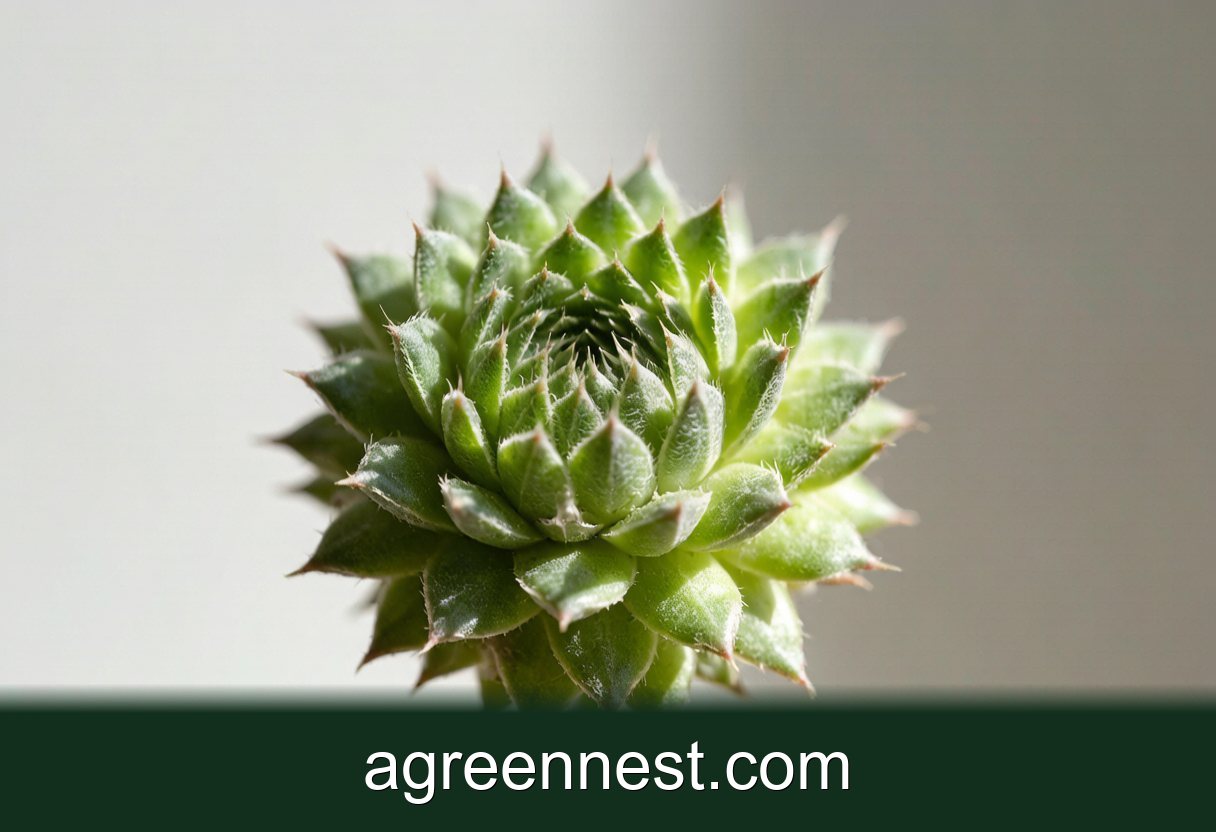
If you are new to Hens and Chicks Care Guide (Sempervivum Tectorum), keep it simple: a few hours of direct sun, and water sparsely. These plants hate wet feet, so always let the soil dry completely between drinks (18 days between waterings). A shallow terracotta pot with gritty soil is the safest setup, and a bright windowsill does the rest.
I still remember the first time a Sempervivum tectorum landed on my windowsill. A friend handed me a tiny clay pot with a single rosette and said, "Good luck, it basically grows itself." She was right. Hens and chicks has been my go to recommendation for nervous new plant parents ever since, because it forgives almost every mistake except one. This single mistake is sitting in wet soil.
These little succulents form a tight mother rosette, the hen, that slowly surrounds itself with smaller offshoots called chicks. The mother plant eventually flowers on a tall stalk and then fades, but by that point she has already left a whole family behind. Such a cycle is part of the charm. You are never left with an empty pot, only a fuller one.
Four years on a south facing kitchen sill have taught me plenty. Through forgotten waterings, a forgotten holiday, and one very cold February, the colony just kept multiplying. If you want a plant that teaches patience without punishing you, this is the one.
Hens and Chicks at a Glance
| Care factor | What Hens and Chicks wants |
|---|---|
| Light | full, direct sun for most of the day |
| Water | a deep drink only after the soil is bone dry, about every 18 days in spring and summer |
| Temperature | comfortable from -10 to 80°F (-23 to 27°C) |
| Humidity | dry air is perfectly fine |
| Soil | a gritty, free-draining succulent mix |
| Difficulty | very easy, a great pick for beginners |
| Pet safe | yes, it is generally regarded as pet-safe |
Why Does Sempervivum tectorum Love the Sun?
The name says it all. Sempervivum translates roughly to "always living," and these plants earned that reputation by thriving in the harshest, brightest spots a garden can offer. Give them a south or west facing window and they reward you with tight, colourful rosettes in shades of green, red, and purple.
Weak light does the opposite. Stretched, pale, leaning growth is the plant begging for more sun. Keeping a pot on a shaded bookshelf for a month taught me a lesson: the chicks reached sideways like they were searching for a light switch. Move them back to bright sun and they firm up within a couple of weeks.
Give them a few hours of direct sun each day at minimum. Six hours is better still. If your home is dim, a small grow light on a twelve hour timer works well, and it costs less than a fancy coffee each week. Rotate the pot a quarter turn every Sunday so all sides get even light and the rosette stays symmetrical.
How Often Should You Water?
This is where most people go wrong. Hens and chicks want a deep soak, then a long, dry rest. In the active growing season, which runs from roughly March through September in the northern hemisphere, I water about every 18 days. Checking the soil first with a finger pushed an inch down keeps you honest. If it feels cool or damp, I wait another few days.
Winter is a different story. The plant goes semi dormant and needs very little. One light watering every six to eight weeks is often plenty, and some growers skip water entirely from December through February. When in doubt, underwater. Thirsty Sempervivum recovers fast, but a rotten one does not come back.
Shallow terracotta pots help here. Clay wicks moisture away from the roots, and the wide top dries quickly after a rain or a watering. Plastic pots hold humidity longer, so if you use one, stretch the schedule out by three or four days and always empty the saucer.
Soil, Pots, and Drainage
Standard potting soil is too rich and too clingy for these plants. Three parts coarse grit or pumice to two parts regular cactus soil is my blend, which gives a ratio of about 60 percent mineral to 40 percent organic. It drains in minutes and mimics the rocky slopes the species calls home in the mountains of southern Europe.
Drainage holes are non negotiable. Sitting in a saucer of water is the fastest way to lose a hen and her chicks. Lifting the pot after watering tells me its weight, and tipping out any tray within half an hour avoids soggy feet. Light coloured pots also help, because they reflect heat and keep the root zone cooler on hot afternoons.
What Temperature Keeps Them Happy?
Few houseplants shrug off cold like this one. Sempervivum tectorum handles temperatures from -10 to 80°F (-23 to 27°C) without complaint, which makes it one of the rare succulents you can summer outdoors and winter on a cold windowsill. Just keep it away from forced heat vents that blast dry, hot air for hours.
Humidity is a non issue. Average living room air, often around 30 to 40 percent relative humidity, suits it perfectly. No pebble tray or humidifier has ever been needed for mine, and the leaves stay plump through every season.
Feeding Without Overdoing It
Hens and chicks are light feeders, and too much fertilizer makes them soft and stretched. Once a month from April to August, I dilute a balanced liquid feed to one quarter strength, about 5 millilitres per litre of water. This is enough to support the summer flush of chicks.
Skip feeding entirely in autumn and winter. The plant is resting then, and a dose of nitrogen would only encourage weak, watery growth that struggles through the cold months. Less really is more with this species.
How to Propagate Hens and Chicks
The easiest method uses the offsets. Gently twist a chick away from the mother, taking a little of the connecting stem if it comes free. Let the cut surface dry for a day or two on a windowsill, then set it on top of dry gritty mix and mist lightly every few days until roots anchor it.
Within three to four weeks you will feel resistance when you tug. At that point, treat it like a full sized plant. One healthy hen can produce eight to twelve chicks in a single season, so you will have gifts for every friend by autumn.
Common Problems and Easy Fixes
Leaning or stretched growth means the plant wants more light. Move it brighter or add a grow light.
Mushy, yellow bases almost always mean overwatering. Let it dry out completely and check the roots for black, soft spots, trimming any that fail the test.
Brown, crispy edges usually point to low humidity or salt build up from tap water. Flush the soil with distilled water once and raise humidity a touch near the plant.
Frequently Asked Questions
Q: Is Hens and Chicks safe for pets?
A: Yes, it is generally regarded as pet safe, though I still keep pots out of reach of curious cats.
Q: What light is best?
A: Full, direct sun for most of the day. Six or more hours keeps the rosettes tight and colourful.
Q: How do I make more of it?
A: Pull an offset chick from the base, let the cut dry for a day or two, then root it in gritty mix.
Hens and chicks rewards a little attention with years of easy beauty, and the colony only gets better with time. For a personalised schedule, try our free watering calculator and pair it with the light calculator to pick the perfect spot on your windowsill.
Sources & further reading
GreenNest authors research and write every guide independently. The external links below are reputable references we recommend for deeper reading — they are not the sources we copied from.
- Aggie Horticulture (Texas A&M) — Texas A&M AgriLife
- Royal Horticultural Society — Houseplant care — RHS
- Royal Botanic Gardens, Kew — Kew Gardens
Recommended Tools for Succulent Care
Free, no-signup helpers matched to this guide.
Free Ebooks to Explore
Downloadable handbooks — no email required.
Free Ebook
Sempervivum (Hens & Chicks) Care Handbook
The hardy succulents that survive real winters outdoors.
Free Ebook
The AGreenNest Succulent Care Handbook
The complete, beginner-to-confident guide to growing fat, happy succulents — 10 chapters and a 20-plant directory.
Share Your Plant Story
Grown something tricky, or found a trick that finally worked? Tell us in the comments, or see what other readers are sharing on our Community page. The best reader tips get folded back into our guides.
Join the Conversation
Have a tip or a question about Hens and Chicks Care Guide (Sempervivum tectorum)? Share it below — comments are saved on our server.