 AGreenNest
Plant Pests & Diseases
I Saved My Monstera from Spider Mites

I checked what actually harms I Saved My Monstera From Spider Mites, and it is almost always the common indoor pests. Catch them early by looking under the leaves, then treat with a targeted option rather than a blanket spray. Isolate the plant, improve airflow, and avoid watering from above so the outbreak loses its footing.
I almost put the Monstera on the compost pile the day I found the webbing. Then a leaf got turned over, the fine silk and crawling specks showed themselves, and a fight began instead. That plant is a Monstera deliciosa I had owned for three years, and spider mites nearly took it during a hot, dry spell. Here is exactly what happened, week by week, because the rescue is the part nobody writes down.
What Did the Spider Mites Look Like?
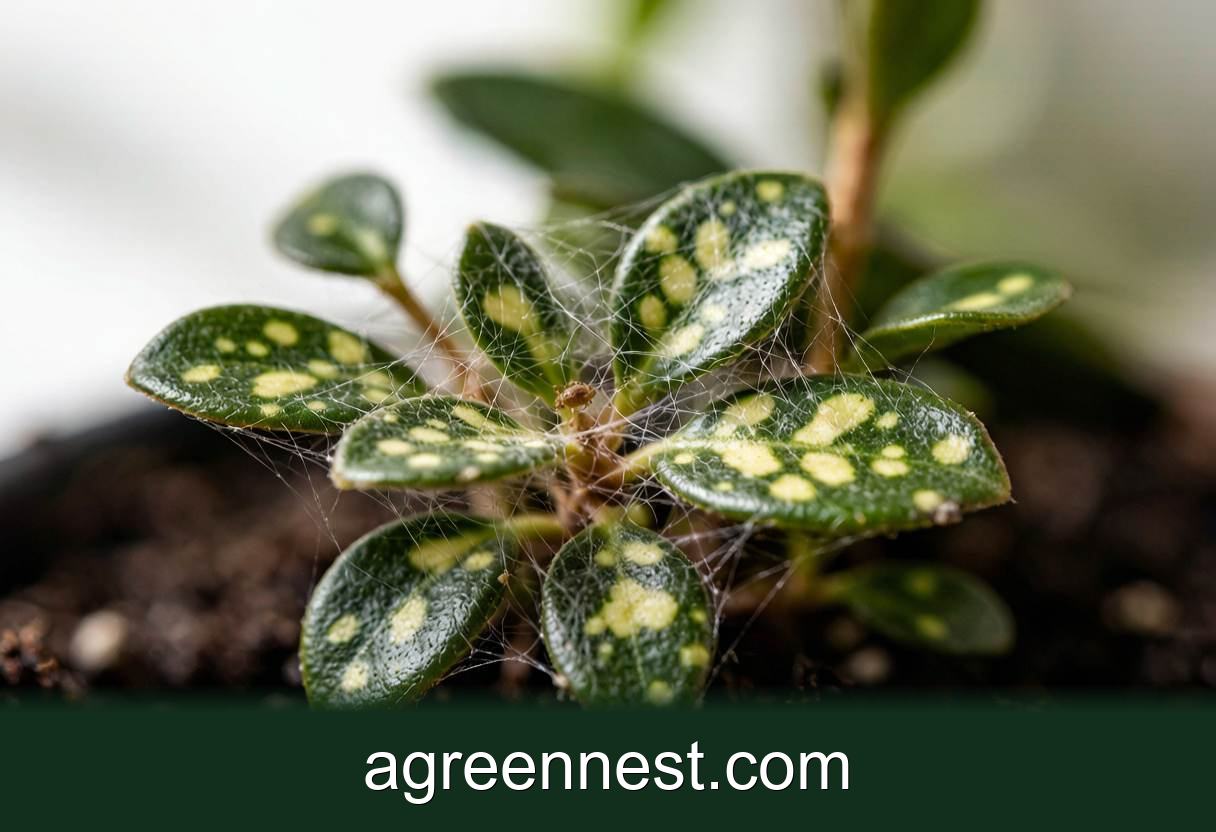
My first sign was a dull, speckled look on the upper leaves, like someone had flicked sand at them. A turned leaf then revealed fine white webbing in the veins and tiny moving dots smaller than a pinhead. These pests love the broad, thin leaves of a Monstera.
Those specks are not flying insects. They are arachnids, and they multiply fast in hot, dry air above 24°C (75°F) and below 40 percent humidity. For the identification detail, the spider mites on houseplants guide covers what the dots and webbing mean, but the rescue below is the part that saves the plant.
How Did I Isolate and Shower the Plant?
Day one meant moving the Monstera away from every other plant. Spider mites spread by drifting on air currents and by brushing, so isolation stops the colony jumping to my Philodendron and Calathea.
Next came the shower. Lukewarm water ran over every leaf, top and bottom, for a few minutes. Running water knocks mites and webbing off physically, which no spray does alone. Wiping followed, with a soft cloth and a drop of dish soap in a litre of water on each leaf, paying attention to the undersides where they hide.
After the leaves dried, a neem oil mix went on (2ml neem, a few drops of soap, 1 litre water) until the foliage glistened. Neem breaks the mites' life cycle rather than killing on contact, so timing matters more than coverage.
How Often Should You Re-Treat Spider Mites?
Adult mites lay eggs that hatch in about 3 to 5 days, so a single spray fails because the next generation appears. Neem mix went on again on day 3, day 6, and day 9. Each pass caught the hatchlings before they bred.
Humidity rose at the same time. Damp air is their enemy, so a small humidifier ran near the plant and the leaves got a light morning mist, lifting the room from 40 to 60 percent. My Monstera liked the bump, and the mites slowed. Reading the why leaves turn yellow guide helped separate mite damage from a plain feeding problem during this stage.
By day 12 the new leaves came in clean, with no stippling. Older damaged ones stayed marked, but that is cosmetic; the plant was winning.
How Do You Stop Them Coming Back?
Spider mites return if treatment stops early. Undersides got checked every other day, and one more spray went on day 15 just to be safe. No webbing reappeared, and the leaf tips that had curled from stress opened flat.
Isolation lasted a full week after the last mite sign before the plant returned to the group. Rushing that step is how people lose the second round. If webbing appears again, the insecticidal soap DIY guide is a good follow up spray to alternate with neem so the mites do not adapt to one product.
What Would I Do Differently?
Isolation came too late. The first pale leaf got blamed on low light, and two weeks of delay let the colony spread across half the plant. Catch it at the first speckle and the whole rescue takes days, not three weeks.
A weekly check on new plants is now a habit. The mites almost certainly arrived on a nursery leaf, not from my care. A short quarantine on any new arrival would have saved the fight.
Light played a sneaky part in this story. The Monstera sat two metres from a west window that baked it in summer and left it dim in winter, a swing the mites exploited. A consistent spot with bright indirect light and a steady 18 to 24°C keeps the plant strong enough to shrug off pests. I now rotate the pot a quarter turn each week so every leaf gets its turn at the glass.
Frequently Asked Questions
Q: Can spider mites kill a Monstera completely?
A: Yes, if ignored for a month in hot dry air they can defoliate a plant. But they are slow compared to scale, and a Monstera usually survives if you start treatment within two to three weeks of the first signs.
Q: Is neem oil safe on Monstera deliciosa leaves?
A: Yes, diluted neem is safe on the foliage. Spray in the evening, not in bright sun, because oil plus hot sun can mark the leaves. Wipe if you see any spotting the next morning.
Q: My plant has webbing but I see no bugs. Are they gone?
A: Probably not. The mites are tiny and hide on the undersides; webbing means they are active. Keep treating every three days and use a white paper tap test, where you knock a leaf and look for crawling specks on the paper.
Q: Should I cut off the damaged leaves?
A: Only the worst ones. Mites feed on foliage, so keep healthy leaves to feed the plant through recovery. Trim leaves that are mostly webbing and brown, and the rest will outgrow the marks.
Q: How do I stop them spreading to my other plants?
A: Isolate the sick plant first, then wash your hands and tools between plants. Mites ride on skin and cloth. A separate watering can for the quarantined plant helps during the three week fight.
Spider mites are beatable, but only with repeat treatment, not a single spray. Shower, wipe, neem every three days, and raise the humidity, and a Monstera comes back in about three weeks. The fast win is catching it early, so isolate at the first speckle. For the broader pest picture, the houseplant pests complete guide maps out what else to watch for.
Recommended Tools for Plant Pests & Diseases Care
Free, no-signup helpers matched to this guide.
🔍 Free Tool
Pest & Problem Identifier
Pick the symptoms you see and get the likely culprit plus a fix.
Free Ebooks to Explore
Downloadable handbooks — no email required.
Free Ebook
The AGreenNest Succulent Care Handbook
The complete, beginner-to-confident guide to growing fat, happy succulents — 10 chapters and a 20-plant directory.
Free Ebook
Haworthia & Haworthiopsis Care Handbook
A focused guide to the striped, forgiving Haworthia clan.
Sources & further reading
GreenNest authors research and write every guide independently. The external links below are reputable references we recommend for deeper reading — they are not the sources we copied from.
- NC State Extension — Plant Toolbox — NC State Extension
- UC IPM — Integrated Pest Management — UC IPM
- US EPA — Safer Pest Control — US EPA
Share Your Plant Story
Grown something tricky, or found a trick that finally worked? Tell us in the comments, or see what other readers are sharing on our Community page. The best reader tips get folded back into our guides.



Join the Conversation
Have a tip or a question about I Saved My Monstera from Spider Mites? Share it below — comments are saved on our server.