 AGreenNest
Plant Care Accessories
Insecticidal Soap: Buy or DIY, and How to Spray
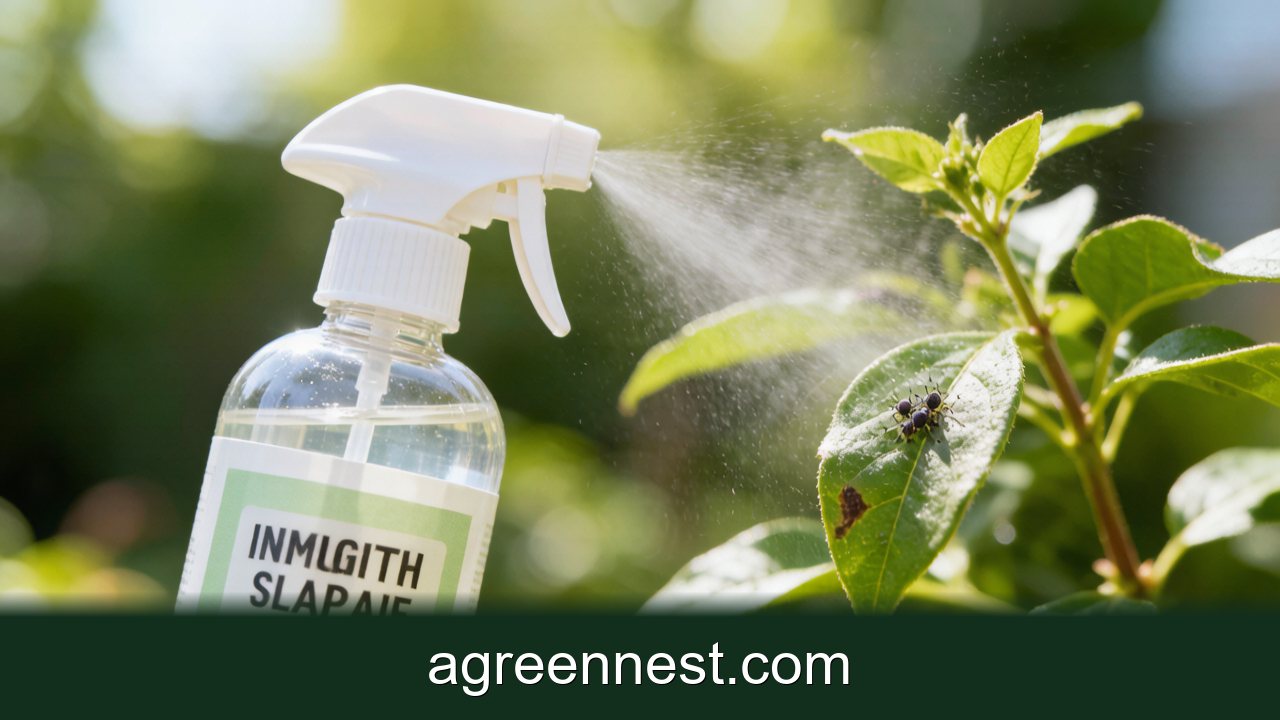
The right accessory turns Insecticidal Soap from guesswork into routine. Measure what the plant actually needs, and pair it with a light check so a few hours of direct sun is a real value, not a hope. Spend once, read often, and let the data guide watering and feeding.
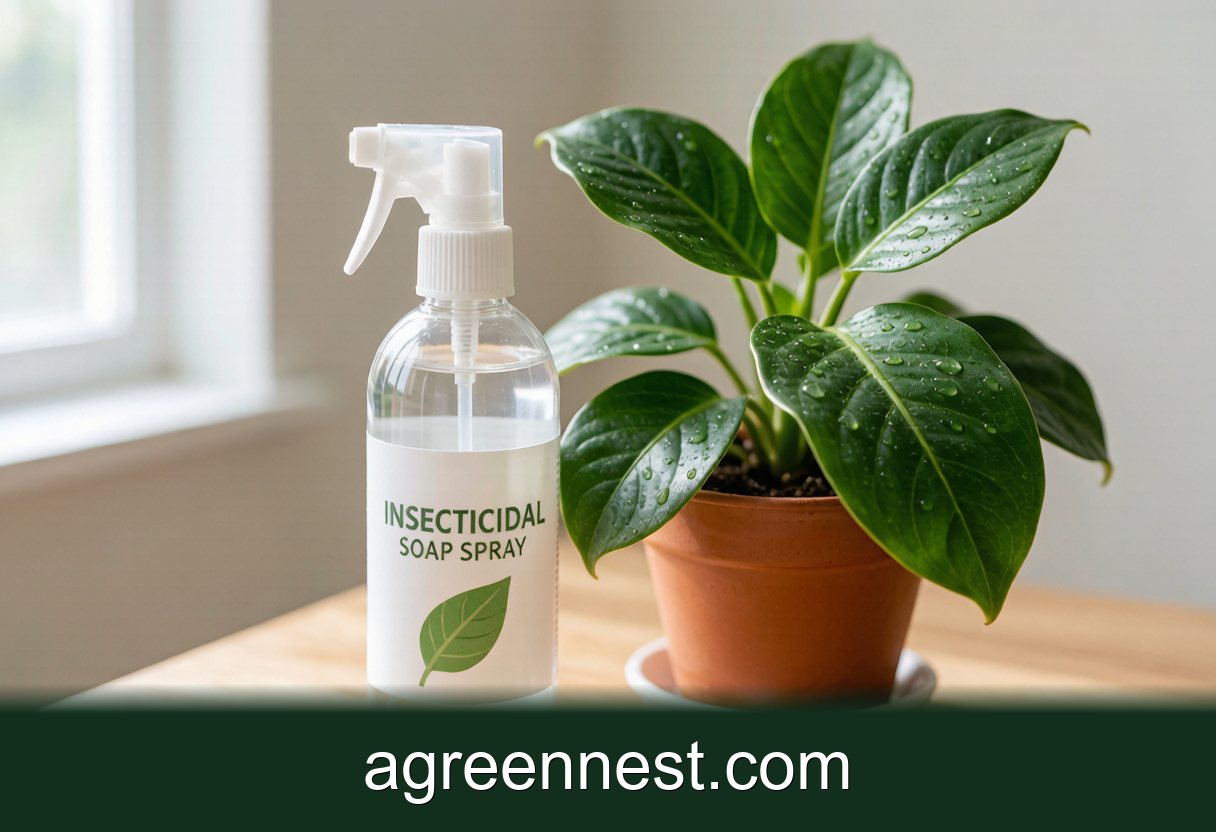
Insecticidal soap is the gentlest contact treatment for houseplants. It carries no petroleum, leaves no harsh residue, and stays safe around most homes with children and pets. It works by breaking the waxy coat of soft bodied insects so they dehydrate within minutes of contact. This guide covers whether to buy it or mix your own, the right concentration, which pests it handles, and the spray routine that protects both leaves and petals.
What Is Insecticidal Soap, Exactly?
True insecticidal soap is Potassium salts of fatty acids, not the dish soap sitting under your sink. It kills on contact by disrupting the pest's outer membrane and leaves no residual effect once the leaf dries. Spray it, and it works in roughly 2 to 5 minutes, then it is gone from the surface. That safety is also its weakness, because you must repeat the application to catch new hatches as they appear. Aphis gossypii and other soft aphids die fastest of all the common household pests, often within a single coated pass.
Should You Buy or Mix Your Own?
Buying is the easier and safer default for most growers. A labeled product is premixed to a leaf safe concentration and will not mark foliage even on sensitive species like ferns. Making it yourself costs only pennies per liter, but the margin for error is thin and real. Use pure liquid castile soap, never detergents, degreasers, or antibacterial brands that burn leaves on contact. The working ratio is 1 to 2 teaspoons per 1 liter (1 quart) of water, mixed fresh each time you spray. Always test on a single leaf and wait 24 hours before treating the whole plant to confirm tolerance.
Which Pests Does It Actually Kill?
Soap excels against soft bodied insects above all others. Aphids, mealybugs, and young scale crawlers collapse on contact within a single day of treatment. Tetranychus urticae, the common red spider mite, also succumbs when the leaf underside is coated fully and evenly. Whitefly and the young stage of scale sit next on the list of targets. The product does not reach eggs well, so a repeat cycle is non negotiable for full control. For Phenacoccus mealybugs, rub the waxy adults off by hand first, then spray the crawlers that remain behind.
How Do You Spray It Correctly?
Mix a fresh batch because the solution breaks down if stored in a bottle. Coat every surface, especially the leaf undersides where pests hide from both light and your eyes. Spray until the leaf begins to drip, but never flood the crown of a succulent or a rosette. Repeat every 4 to 7 days for 3 to 4 rounds to catch hatchlings as they emerge from eggs. Rinse sensitive plants after 2 to 3 hours to avoid spotting from the dried soap film left behind.
What Concentration Protects Leaves?
Stay at 1 to 2 teaspoons per liter and never exceed that range for home use. A stronger mix does not kill faster, but it does raise the odds of leaf burn on thin foliage. If your water is very hard, drop to 1 teaspoon because minerals already add to the salt load. Measure with a real spoon, not a guess, since a heavy pour is the usual cause of damage. The labeled product removes this math entirely, which is why beginners should buy first and DIY later.
Safety and Plant Tolerance
Soap is mild but not harmless to foliage under stress. Test on one leaf first, since ferns and delicate seedlings can spot under the film within a day. Avoid direct sun for at least 3 to 4 hours after spraying, because wet leaves scorch under bright light fast. Do not spray open flowers, since the film can mark petals and harm pollinators that visit them. Rinse anything you plan to eat, or skip the herb row entirely to be safe. Keep pets away from wet foliage until it dries, since the mix is low risk but not a drink for them.
Common Mistakes to Avoid
Using dish detergent is the worst mistake you can make here. Dawn, Palmolive, and similar products are detergents with additives that burn tissue on contact with leaves. Only true castile or a labeled product belongs in the spray bottle you use. One spray and done is the second mistake, because eggs survive and hatch days later from hiding. The repeat cycle is the real treatment, not a single pass across the plant. Soaking the crown is the third, since pooled soap rots succulents in their tight rosette. Mist the surfaces and let it drip rather than pouring the mix in.
Frequently Asked Questions
Q: Can I use regular dish soap instead of castile?
A: No. Detergents burn leaves and leave a residue that builds up over time. Use pure liquid castile soap at 1 to 2 teaspoons per liter, or buy a labeled insecticidal soap product.
Q: Why did one application not work at all?
A: Soap has no residual effect and misses eggs entirely on the first pass. Repeat every 4 to 7 days for 3 to 4 rounds to break the pest life cycle for good.
Q: Is it safe to spray on open flowers?
A: Avoid blooms whenever you can. The film can mark petals and harm pollinators that land there. Spray in the evening and cover flowers if you cannot avoid the area.
Insecticidal soap is the safest contact treatment for most home pest problems you will meet. It is cheap to buy, gentle on the home, and lethal to aphids and mealybugs on contact when used inside a repeat cycle. Combine it with good airflow and manual removal, and you will clear most infestations without ever reaching for harsh chemicals.
Recommended Tools for Plant Care Accessories Care
Free, no-signup helpers matched to this guide.
Free Ebooks to Explore
Downloadable handbooks — no email required.
Free Ebook
The AGreenNest Succulent Care Handbook
The complete, beginner-to-confident guide to growing fat, happy succulents — 10 chapters and a 20-plant directory.
Free Ebook
Haworthia & Haworthiopsis Care Handbook
A focused guide to the striped, forgiving Haworthia clan.
Sources & further reading
GreenNest authors research and write every guide independently. The external links below are reputable references we recommend for deeper reading — they are not the sources we copied from.
- University of Minnesota Extension — U Minnesota Extension
- Aggie Horticulture (Texas A&M) — Texas A&M AgriLife
- Oregon State University Extension — Oregon State Extension
Share Your Plant Story
Grown something tricky, or found a trick that finally worked? Tell us in the comments, or see what other readers are sharing on our Community page. The best reader tips get folded back into our guides.
Join the Conversation
Have a tip or a question about Insecticidal Soap: Buy or DIY, and How to Spray? Share it below — comments are saved on our server.