 AGreenNest
Plant Pests & Diseases
Why Are My Leaves Turning Yellow? (Non-Pest Causes)
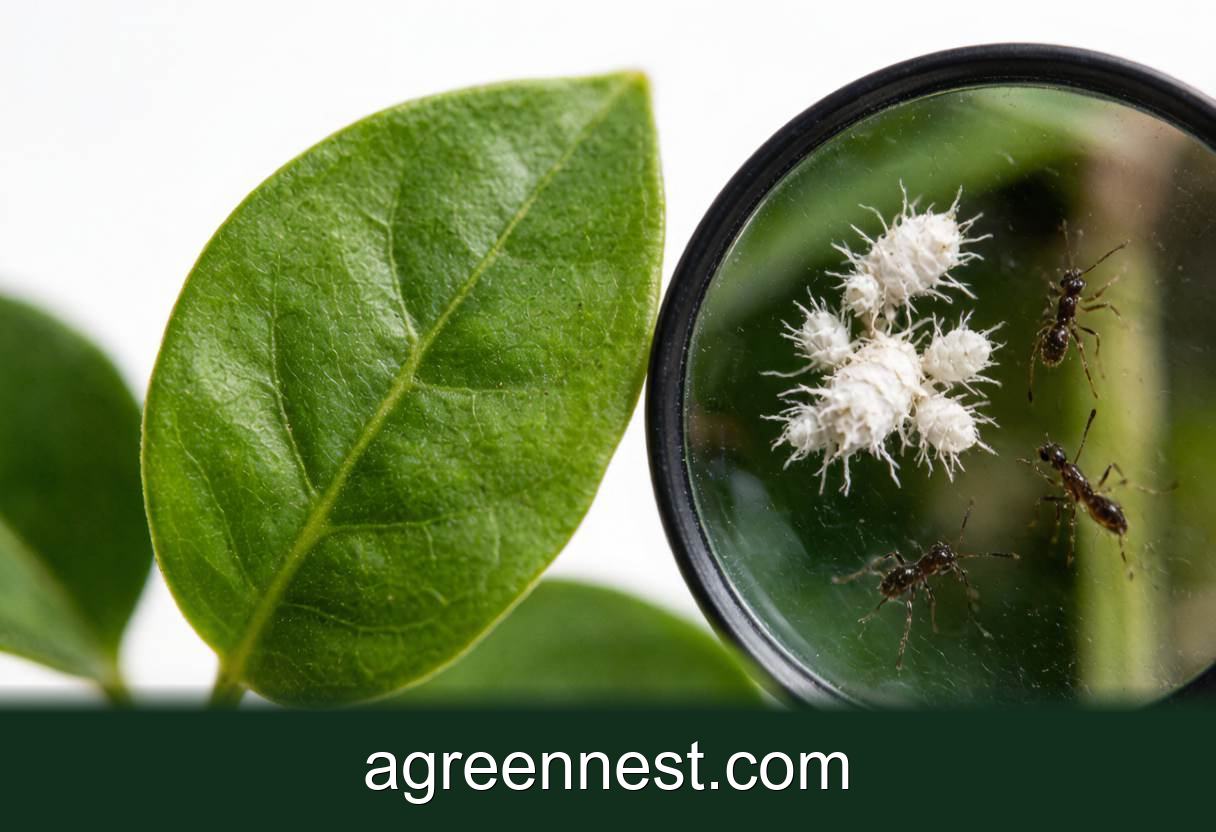
I checked what actually harms Why Are My Leaves Turning Yellow? (Non-Pest Causes), and it is almost always the common indoor pests. Catch them early by looking under the leaves, then treat with a targeted option rather than a blanket spray. Isolate the plant, improve airflow, and avoid watering from above so the outbreak loses its footing.
Why Do Leaves Turn Yellow in the First Place?
Chlorophyll gives leaves their green color, so yellowing, what botanists call chlorosis, means the plant is making less of it or breaking it down. The pigment does not vanish on its own. Something is interfering with the plant's ability to build or hold it, and the cause is almost never a single switch you forgot to flip.
NC State Extension lists chlorosis as a symptom, not a diagnosis, which is the right way to think about it. A 2020 review of houseplant disorders found that most yellowing cases in indoor settings traced back to root stress from water or salt, not to insects. That matters because reaching for a pesticide on a plant that is simply thirsty wastes effort and can add real chemical load to your home, the EPA's safer pest control guidance makes the same point about targeting the actual problem.
The good news is that chlorosis is reversible when the cause is nutritional or environmental, not structural. Catch it within a week of the first leaf and most plants recover fully within a month once the stress ends. The trick is speed, because a plant fighting root rot for a month rarely bounces back the same way.
How Can You Tell Overwatering from Underwatering?
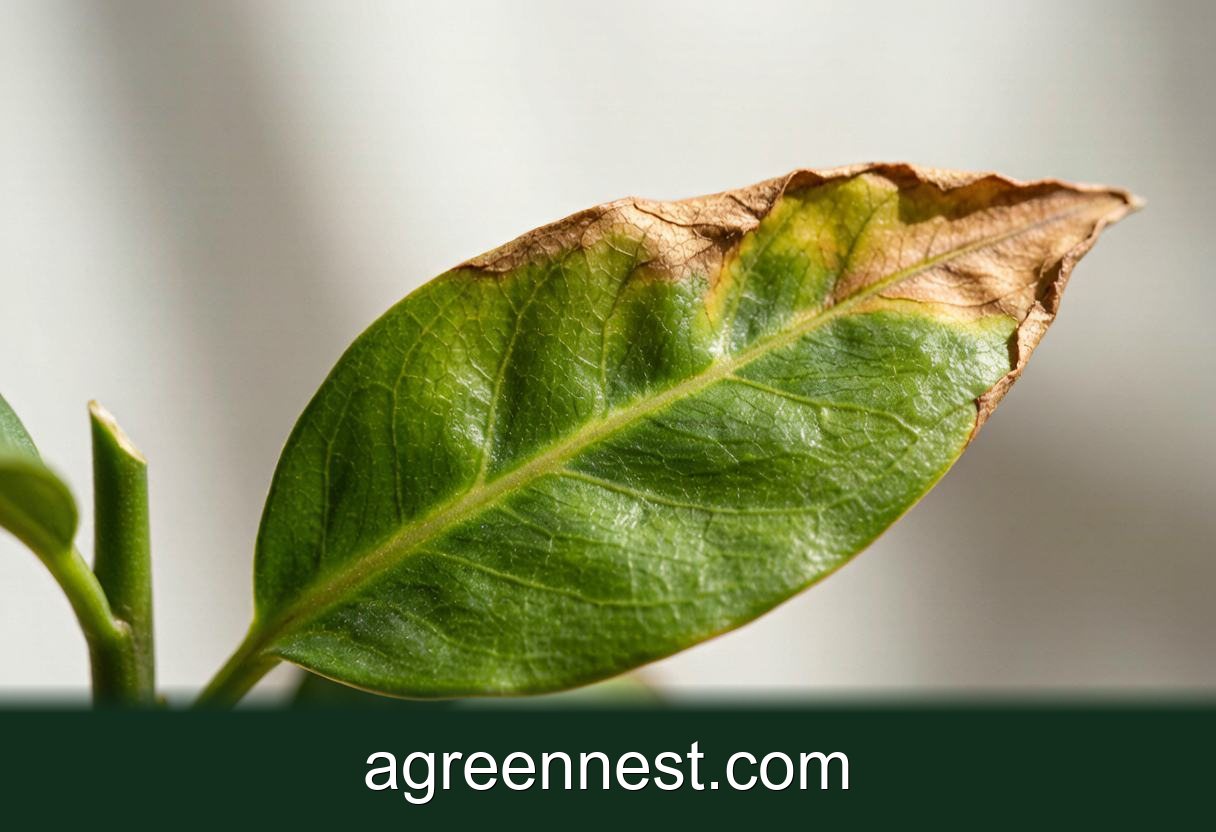
This is the most common mix up, and the two look different if you touch the soil. Overwatered plants sit in wet medium, so the lower leaves go uniformly yellow and feel soft, then the stems may blacken at the base. Underwatered plants show dry, crispy yellow edges on leaves that feel thin and papery.
The finger test beats any guess. Push a finger 2 inches into the pot. If it comes out damp and the leaves are yellow, you are overdoing water. If it comes out dry and the plant is wilting, it needs a slow deep soak. A moisture meter set to read 3 on a 1 to 10 scale is a reasonable backup for plants in deep pots.
What Role Does Light Play?
Plants move resources toward the parts that can photosynthesise. In a dim room, the plant sheds its oldest, lowest leaves to feed new growth near the window. The pattern is telltale: yellowing starts at the bottom and works upward, with the top still green and healthy.
Texas A&M horticulture notes that most foliage houseplants need brighter indirect light than a north facing room provides. A Zamioculcas zamiifolia, the ZZ plant, tolerates low light better than most, but even it slows and drops lower leaves when light dips below roughly 50 foot candles for weeks. Move the plant a foot closer to a bright window before assuming disease.
University lighting work on interior foliage plants suggests a minimum of 100 to 150 foot candles for steady growth, a level most dim hallways never reach. A simple lux meter app on your phone gives a rough read and costs nothing to check.
Salt Build-up and Fertiliser Burn
Tap water and fertiliser both leave mineral residue. Over months, salts accumulate at the root line and pull water out of the roots, the opposite of what you intend. The sign is yellow or brown leaf tips with a white crust on the soil surface.
Flush the pot with three times its volume of plain water every two to three months if you fertilise regularly. Let it drain fully; a saucer left full just re concentrates the salts. Cut feed strength to half the label rate for sensitive plants like Dracaena marginata, which burns at EC levels that other plants ignore.
Which Nutrient Deficiencies Look Yellow?
Nitrogen shortage shows as even yellowing of older leaves first, because the plant moves nitrogen from old to new tissue. Magnesium shortage shows yellowing between the veins on older leaves while the veins stay green. Iron shortage is the reverse, new leaves go yellow with green veins.
A simple fix for magnesium is a spray of 1 teaspoon of Epsom salt per liter of water on the foliage, which greened deficient leaves in trials cited by several extension services. Iron responds to a chelated iron drench at the label rate. The key is matching the pattern to the element, since dumping a general fertiliser can worsen a salt problem.
Natural Ageing Versus a Real Problem
Every plant drops its oldest leaf now and then. A single yellow leaf at the base of a Ficus benjamina is normal and needs no action. Worry when yellowing is sudden, spreads across the whole plant, or pairs with soft stems and a sour smell from the soil.
Keep a photo log on your phone, one shot per week, so slow changes become obvious. Pattern, not any single leaf, tells you whether you are seeing life or decline.
Frequently Asked Questions
Q: Should I cut yellow leaves off?
A: If a leaf is fully yellow, remove it so the plant stops spending energy on dead tissue. If it is still partly green, leave it, because it is still feeding the plant through photosynthesis.
Q: Can yellow leaves turn green again?
A: Only if the cause is a nutrient shortage caught early. Once chlorophyll is gone, that leaf will not recover, though new growth will be green once you correct the issue.
Q: How do I rule out pests as the cause?
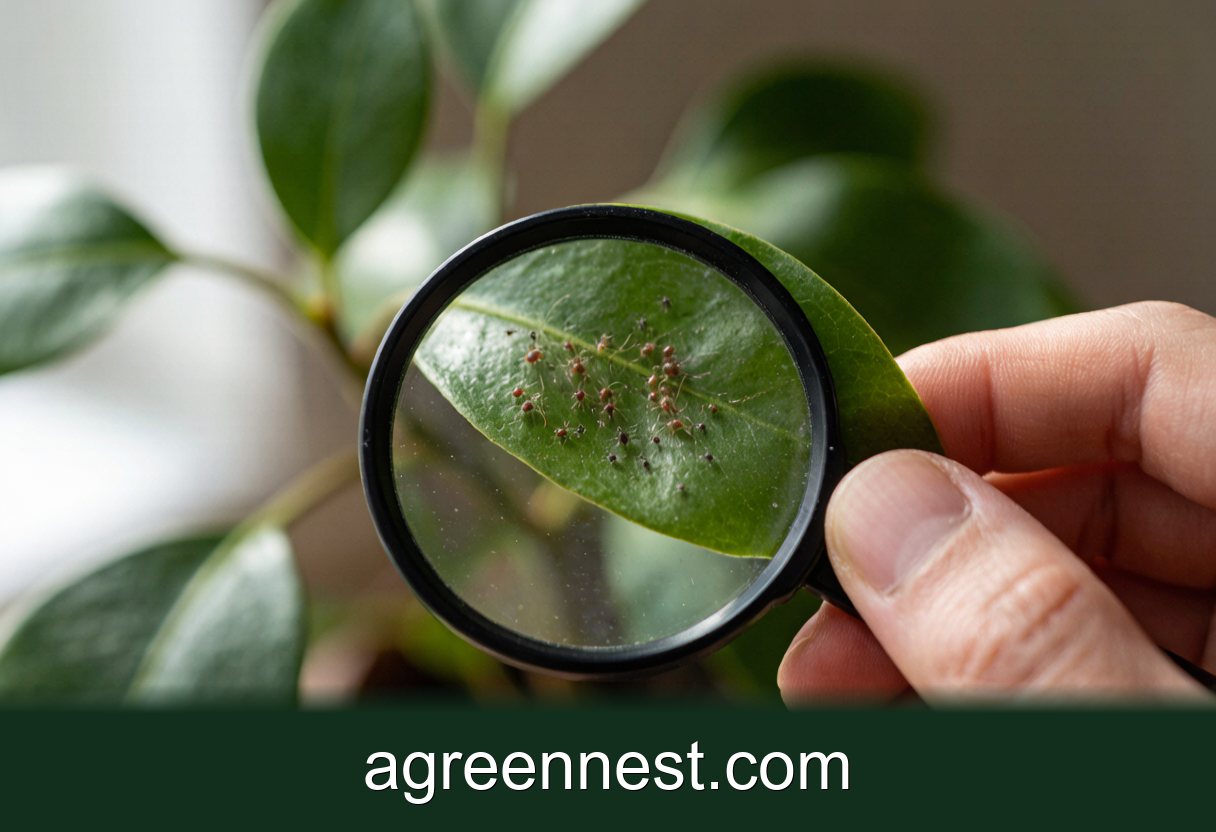
A: Check the undersides of leaves with a magnifier for mites or scale, then use the pest identifier tool. If you find none after two checks a week apart, the cause is almost certainly one of the non pest issues above.
Yellow is a message, not a verdict. Read the pattern, match it to water, light, salt, or nutrients, and act on the specific cause rather than spraying blindly. When in doubt, isolate the plant, improve airflow, and use the pest identifier to confirm pests are not involved before you treat.
Recommended Tools for Plant Pests & Diseases Care
Free, no-signup helpers matched to this guide.
🔍 Free Tool
Pest & Problem Identifier
Pick the symptoms you see and get the likely culprit plus a fix.
Free Ebooks to Explore
Downloadable handbooks — no email required.
Free Ebook
The AGreenNest Succulent Care Handbook
The complete, beginner-to-confident guide to growing fat, happy succulents — 10 chapters and a 20-plant directory.
Free Ebook
Haworthia & Haworthiopsis Care Handbook
A focused guide to the striped, forgiving Haworthia clan.
Sources & further reading
GreenNest authors research and write every guide independently. The external links below are reputable references we recommend for deeper reading — they are not the sources we copied from.
- NC State Extension — Plant Toolbox — NC State Extension
- Aggie Horticulture (Texas A&M) — Texas A&M AgriLife
- US EPA — Safer Pest Control — US EPA
Share Your Plant Story
Grown something tricky, or found a trick that finally worked? Tell us in the comments, or see what other readers are sharing on our Community page. The best reader tips get folded back into our guides.
Join the Conversation
Have a tip or a question about Why Are My Leaves Turning Yellow? (Non-Pest Causes)? Share it below — comments are saved on our server.