 AGreenNest
Succulent Care
Plover Egg Plant Care Guide (Adromischus maculatus)
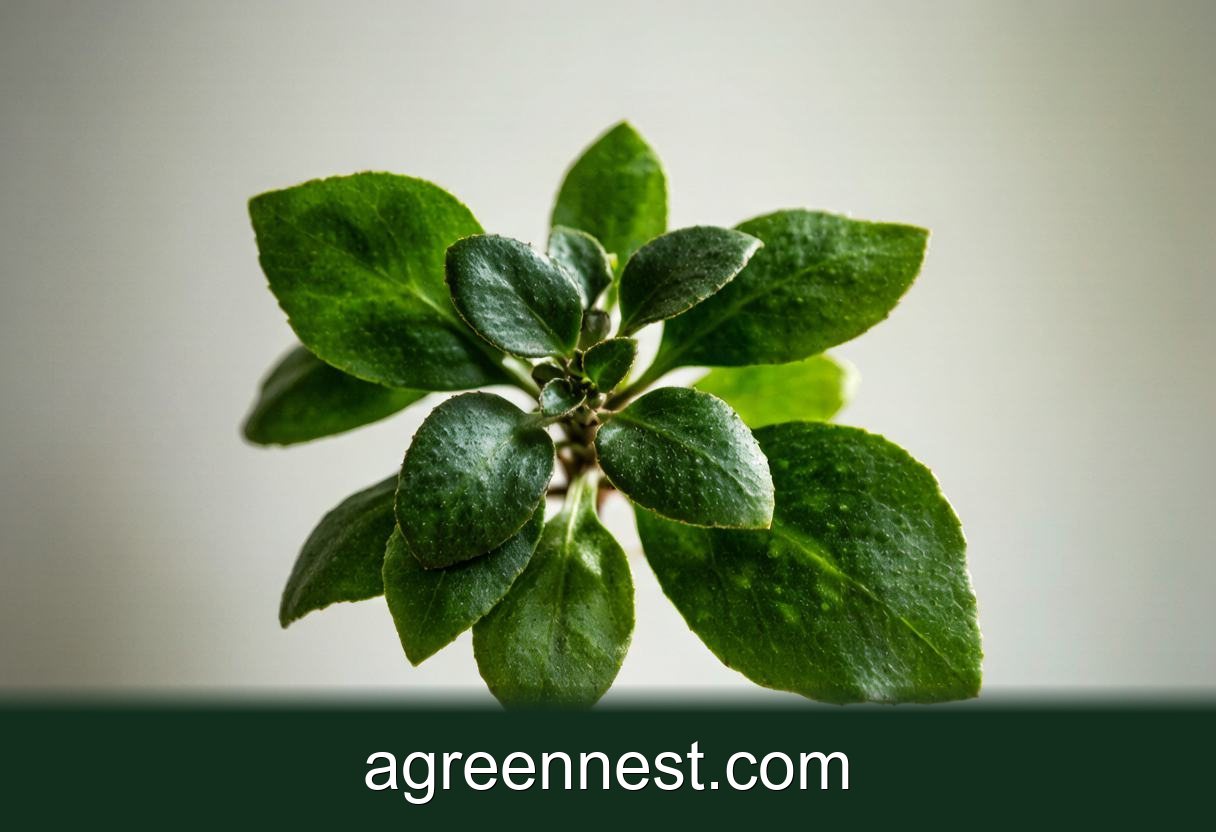
If you are new to Plover Egg Plant Care Guide (Adromischus Maculatus), keep it simple: bright, indirect light, and water sparsely. These plants hate wet feet, so always let the soil dry completely between drinks (18 days between waterings). A shallow terracotta pot with gritty soil is the safest setup, and a bright windowsill does the rest.
Plover Egg Plant at a Glance
| Care factor | What Plover Egg Plant wants |
|---|---|
| Light | bright indirect light, with a little gentle morning or evening sun |
| Water | water deeply only when the soil has dried out completely, roughly every 18 days in the growing season, and far less in winter |
| Temperature | comfortable between 50 and 80°F (10 and 27°C) |
| Humidity | average home humidity is fine |
| Soil | a gritty, free-draining succulent mix |
| Difficulty | straightforward with the basics right |
| Pet safe | no, keep it away from cats and dogs |
My Plover Egg Plant (Adromischus maculatus) lives in a tiny pot on the kitchen windowsill, and guests always ask the same thing: are those spots a disease? They are not. The maroon speckles across each chunky leaf are the plant's natural marking, the very trait that gave it the name plover's egg. It is a small, slow succulent that stays neat, which makes it a charming choice for a crowded shelf.
Like other succulents, it keeps water in its leaves and dislikes wet feet. Treat it with a light hand and it will reward you with years of quiet, spotted character.
Why Are the Leaves Covered in Spots?
The spots are harmless pigmentation, not pests or illness. Every Adromischus maculatus carries them to some degree, and stronger light tends to deepen the color. New growers sometimes scrub the leaves or reach for a fungicide, which only damages the plant. Leave the markings alone and enjoy them.
A leaf that turns fully yellow or soft at the base is a different story, and that usually means too much water rather than a spotting issue. Learn to tell the two apart before you act.
Light Needs
Plover Egg Plant prefers bright indirect light with a little gentle morning or evening sun. An east window is perfect, and a west window works if you keep it a foot or two back from the glass. Direct midday sun can scorch the spots and leave pale scars.
If your brightest spot is a north window, the plant will survive but grow slowly and stay smaller. A grow light on a 10 to 12 hour timer fills the gap nicely through the dark months.
How Often Should You Water?
Wait until the soil is bone dry, then soak it thoroughly. In the growing season I water about every 18 to 24 days, and in winter I drop to every 35 to 45 days. Because the leaves are thick, the plant shrugs off a missed watering without trouble.
Water at the base and let excess drain. Keep the rosette dry, since moisture trapped between the leaves can rot the crown. A shallow terracotta pot helps the mix dry on schedule.
Soil and Pot
Build a gritty blend from one part potting soil, one part coarse sand, and two parts perlite or pumice. Plover Egg Plant has a small root system, so a shallow pot three to four inches wide is plenty. Always use a container with a drainage hole.
Repot only every three to four years, or when the plant clearly outgrows its home. This species likes to be slightly snug, so resist the urge to size up too often.
Should You Fertilize Plover Egg Plant?
Feed with restraint. Once a month in spring and summer I apply a 20-10-20 fertilizer at one quarter strength during a normal watering. From October through February I stop completely so the plant can slow down. More food does not mean more spots, only weak, stretched growth, so keep the dose small.
Temperature and Humidity
It stays content between 50 and 80°F (10 and 27°C) and copes with average home humidity around 40 percent. Protect it from frost and from drafts near an open window in winter. A brief dip to 40°F (4°C) is the lowest I would risk.
Skip the humidifier. Dry air suits this plant, and extra moisture only raises the odds of rot.
How to Propagate Plover Egg Plant
The simplest method is a single leaf laid on dry soil. Choose a plump, healthy leaf and twist it off cleanly, then leave it one to two days so the wound dries. Rest it on top of gritty mix and mist lightly every few days once tiny roots show.
Unlike some succulents, this one rarely makes offsets, so leaf propagation is your main route to more plants. Be patient, because roots can take three to four weeks to appear. Keep the new leaf in bright indirect light and resist the urge to dig it up and check.
Common Problems and Fixes
Leaning or stretched growth means the plant wants more light. Move it brighter or add a grow light.
A mushy, yellow base points to overwatering. Remove it, cut away dark roots, and let it sit out of soil for two days before replanting.
Brown, crispy edges usually come from dry air near a vent or salt buildup. Flush the soil once and move the pot away from heaters.
Frequently Asked Questions
How often should I water Plover Egg Plant?
Soak only when the soil is fully dry, about every 18 to 24 days in the growing season and far less in winter.
Is Plover Egg Plant safe for pets?
No. The leaves can irritate cats and dogs if chewed, so keep the pot out of reach.
Do the spots mean the plant is sick?
No. The maroon speckles are natural markings, not a disease or pest problem.
Plover Egg Plant (Adromischus maculatus) is proof that a succulent does not need to be large to earn a place on your shelf. For a personalized schedule, try our free watering calculator and pair it with the light calculator to find its ideal bright spot. One healthy leaf can become a brand new plant through the simple method above.
Sources & further reading
GreenNest authors research and write every guide independently. The external links below are reputable references we recommend for deeper reading — they are not the sources we copied from.
- Missouri Botanical Garden — Missouri Botanical Garden
- Clemson Home & Garden Information Center — Clemson Extension
- NC State Extension — Plant Toolbox — NC State Extension
Recommended Tools for Succulent Care
Free, no-signup helpers matched to this guide.
Free Ebooks to Explore
Downloadable handbooks — no email required.
Free Ebook
The AGreenNest Succulent Care Handbook
The complete, beginner-to-confident guide to growing fat, happy succulents — 10 chapters and a 20-plant directory.
Free Ebook
Haworthia & Haworthiopsis Care Handbook
A focused guide to the striped, forgiving Haworthia clan.
Share Your Plant Story
Grown something tricky, or found a trick that finally worked? Tell us in the comments, or see what other readers are sharing on our Community page. The best reader tips get folded back into our guides.
Join the Conversation
Have a tip or a question about Plover Egg Plant Care Guide (Adromischus maculatus)? Share it below — comments are saved on our server.