 AGreenNest
Succulent Care
Cathedral Window Plant Care Guide (Haworthia cymbiformis)
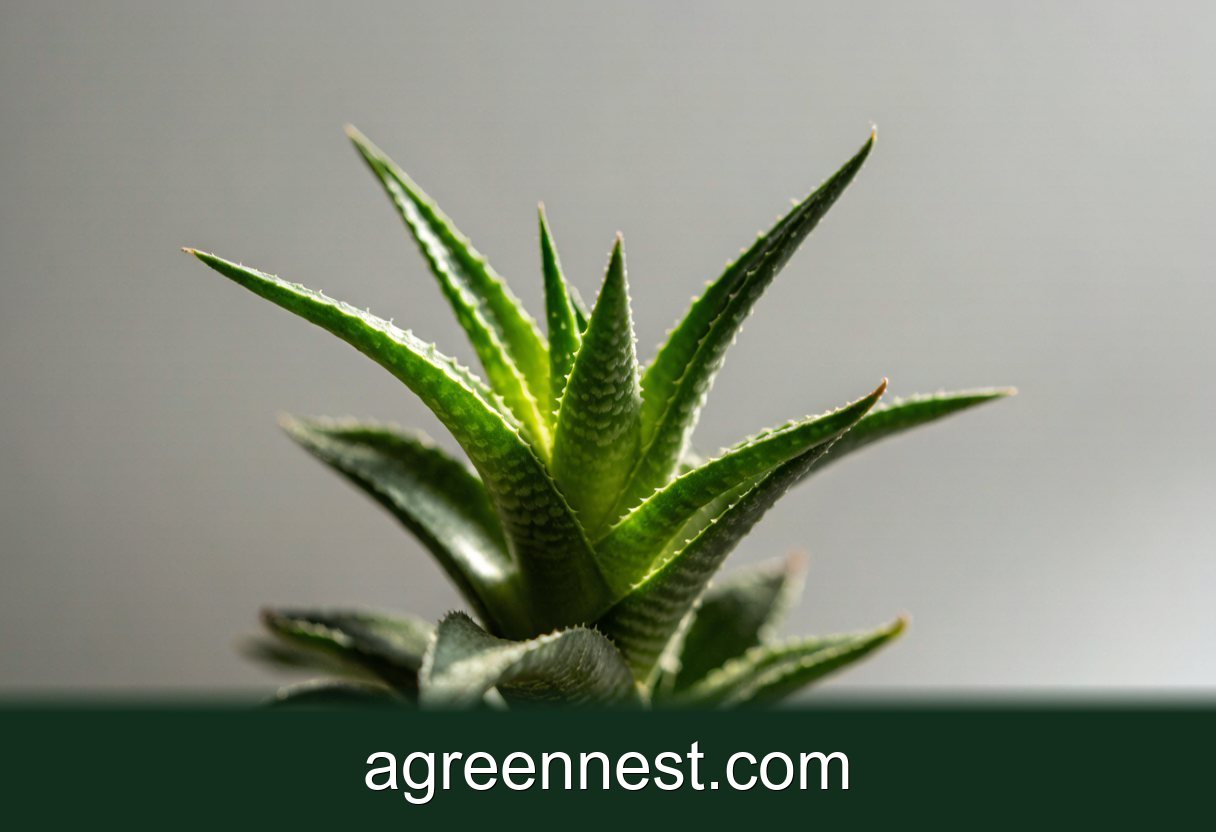
The secret to a happy Cathedral Window Plant Care Guide (Haworthia Cymbiformis) is restraint. Place it in bright, indirect light, then wait until the soil is bone dry before watering (18 days between waterings). Use a lean, sandy soil and a porous pot so excess moisture escapes fast and rot never gets started.
Cathedral Window Plant at a Glance
| Care factor | What Cathedral Window Plant wants |
|---|---|
| Light | low to bright indirect light, kept out of hot, direct sun |
| Water | water deeply only when the soil has dried out completely, roughly every 18 days in the growing season |
| Temperature | comfortable from 55 to 85°F, or 13 to 29°C |
| Humidity | average home humidity is fine |
| Soil | a gritty, free-draining succulent mix |
| Difficulty | very easy, great for beginners |
| Pet safe | yes, it is generally regarded as pet-safe |
Haworthia cymbiformis gets its name from the fat, windowed leaves that let light pass straight through to the chlorophyll inside. My desk specimen sits on a north shelf where it gets bright indirect light without ever seeing hot sun, and it has thrived there for three years. Few succulents are as forgiving of a forgetful waterer, which is why I call it the perfect desk plant.
What Light Does Haworthia cymbiformis Like?
Low to bright indirect light suits this plant, and the windowed leaves actually prefer a little shade over harsh sun. Set the pot near a north or east window for roughly 4 to 6 hours of gentle light, or about 3,000 to 10,000 lux, which keeps the leaf tips from going red. Keep it 1 to 2 metres back from any bright south glass so direct midday sun never burns those translucent tops.
Pink or brown leaf tips are usually a sun stress signal, so shift the pot 30 cm into deeper shade. Most homes have at least one calm corner bright enough for this unfussy little plant, and it tells you clearly when the light is wrong. One happy window shelf beats a rotating spot that swings from dim to scorching.
How Often Should You Water?
Wait until the soil is bone dry, then water deeply, because restraint is the whole secret to a happy plant. In the growing season from April to September the pot gets a thorough drink about every 18 days, and in winter I stretch that to every 30 days or longer. Porous pots and lean soil mean the mix dries within 10 to 14 days, which is exactly the rhythm this succulent enjoys.
Empty the saucer after every watering so no moisture lingers under the roots overnight. Water within a day or two whenever the leaves look a little soft rather than firm and plump. Missing a week hardly matters since the plant stores water in its leaves, but a wet week can start rot at the base.
Soil, Pot, and Drainage
Mix a gritty, free draining succulent blend as the safest foundation for Haworthia cymbiformis to avoid rot. I blend 2 parts pumice to 1 part standard cactus soil, which leaves the roots airy and dry between drinks. Shallow pots suit the short root system better than deep ones, and a real drainage hole is essential.
Terracotta or unglazed ceramic works best because it wicks excess water away from the crown. Refresh the top half with fresh grit in spring after about 24 months, rather than disturb the roots too much. Few changes protect a Cathedral Window Plant more than simply keeping the soil lean and the pot porous.
Temperature and Humidity
Comfortable room temperatures from 65 to 75°F, or 18 to 24°C, keep it growing steadily through the year. It tolerates a wide band, roughly 55 to 85°F or 13 to 29°C, but it slows near the warm edge and the leaves flatten. Average home humidity around 40 to 50 percent is plenty, so I never mist and I skip the humidifier.
Cold drafts are the main risk, and a chilly tiled floor in January can mark the lower leaves within a fortnight. Most modern homes sit comfortably inside the safe range, so the task is simply keeping the pot off cold surfaces and away from open doors. Because the plant is small, a single warm shelf solves every temperature worry it might have.
How Do You Propagate a Cathedral Window Plant?
The easiest method is an offset pup pulled from the base, since mature plants cluster with small babies each spring. Tease the pup away with a fork, let the wound dry for 1 to 2 days, then plant it in barely damp pumice. Roots usually appear in 3 to 4 weeks if the spot stays bright and the mix stays dry to the touch.
Single leaves laid on grit can also root, though the method is slower than an offset. From May to August I feed the mother plant with 1 teaspoon of balanced fertiliser per 2 litres of water, once a month, which keeps the pups coming. Few things please a collector more than a full pot of Haworthia cymbiformis offsets by late summer, ready to share with friends.
Common Problems and Easy Fixes
Leaning or stretched growth means it wants more light, so move it brighter or add a grow light on a timer for 10 hours a day. Spot a mushy, yellow base as a sign of overwatering, and let the soil dry hard before checking the roots for black rot. Brown crispy tips usually point to low humidity or salt build up, so I flush the pot with 1 litre of plain water every three months.
Most problems clear up within a fortnight once the light and water routine is steady, because the fixes are so simple. Sun burnt tips will not heal, but new growth comes in clean once the plant sits in gentler light. One patient month of correct care restores the plump, glassy look that makes this species special.
Why Are My Haworthia Leaves Going Soft?
Soft, wrinkled leaves most often mean the plant is thirsty after a long dry spell, so a deep drink usually firms them up within 48 hours. Check the soil first, then adjust, because the base being soft and dark points to overwatering and the start of rot at the crown. Haworthia cymbiformis stores water in its leaves, much like its cousin Haworthia cooperi, so it bounces back from drought far better than from flood.
One steady rhythm of watering every 18 days in summer keeps the leaves plump without ever risking the soggy soil it fears. Nearly all soft leaf cases I see are simply plants that were watered too little, not too much. Give the pot a bright, dry shelf and the glassy look returns within a month.
Frequently Asked Questions
How often should I water Cathedral Window Plant?
Water deeply only when the soil has dried out completely, roughly every 18 days in the growing season and far less in winter.
Is Cathedral Window Plant safe for pets?
Yes, it is generally regarded as pet safe, which is good news for homes with cats and dogs.
What light is best?
Low to bright indirect light is safest, and you should keep it out of hot, direct sun that burns the windowed tops.
Cathedral Window Plant rewards a little restraint with years of quiet, glassy beauty, and it asks for almost nothing once the bright, dry routine is set. For a personalised schedule, try our free watering calculator and pair it with the light calculator to pick the perfect spot. Happy growing from my home to yours.
Sources & further reading
GreenNest authors research and write every guide independently. The external links below are reputable references we recommend for deeper reading — they are not the sources we copied from.
- Clemson Home & Garden Information Center — Clemson Extension
- Aggie Horticulture (Texas A&M) — Texas A&M AgriLife
- NC State Extension — Plant Toolbox — NC State Extension
Recommended Tools for Succulent Care
Free, no-signup helpers matched to this guide.
Free Ebooks to Explore
Downloadable handbooks — no email required.
Free Ebook
Haworthia & Haworthiopsis Care Handbook
A focused guide to the striped, forgiving Haworthia clan.
Free Ebook
The AGreenNest Succulent Care Handbook
The complete, beginner-to-confident guide to growing fat, happy succulents — 10 chapters and a 20-plant directory.
Share Your Plant Story
Grown something tricky, or found a trick that finally worked? Tell us in the comments, or see what other readers are sharing on our Community page. The best reader tips get folded back into our guides.
Join the Conversation
Have a tip or a question about Cathedral Window Plant Care Guide (Haworthia cymbiformis)? Share it below — comments are saved on our server.