 AGreenNest
Low-Light Indoor Plants
Plant Care for Absolute Beginners: Your 30-Day Plan
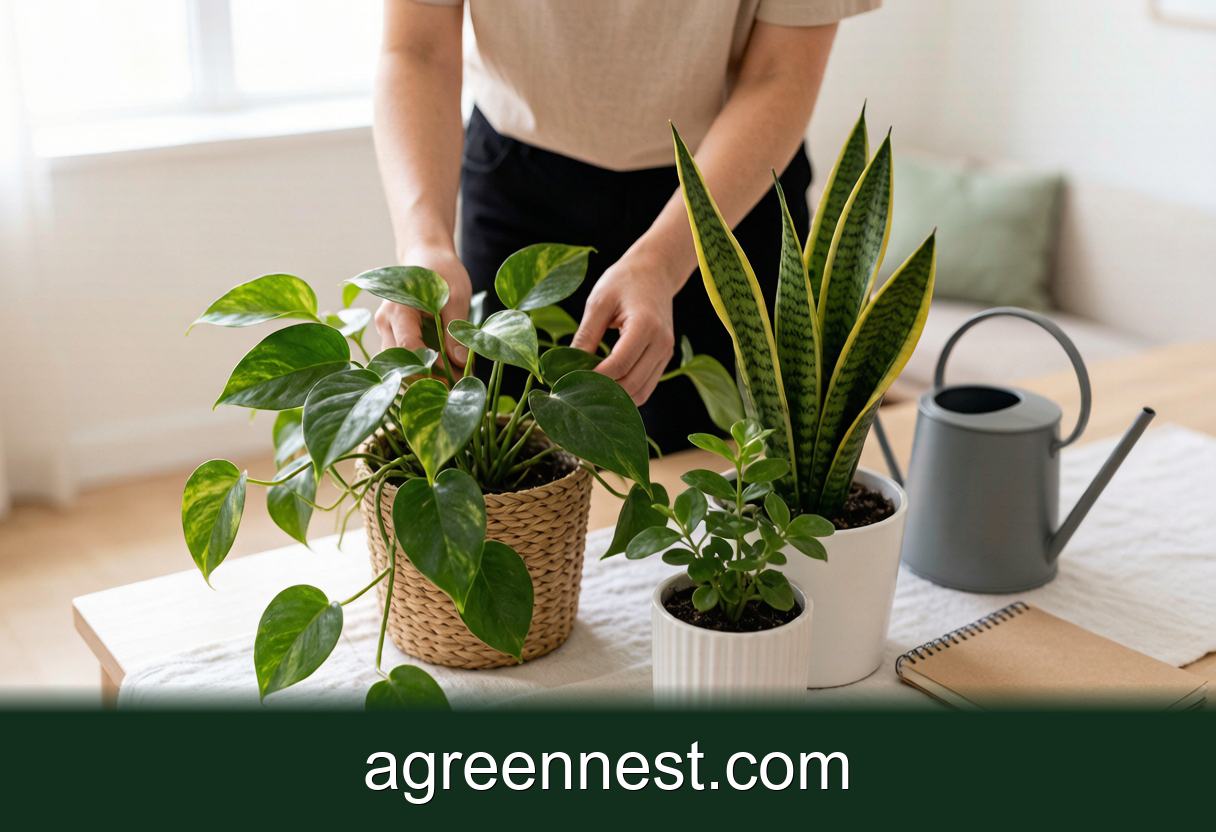
Plant Care for Absolute Beginners is built for dim rooms. It tolerates low to medium light and actually suffers in hot direct sun. Water when the top 2-3 cm of soil feels dry (3 weeks between waterings), and keep humidity modest. A north or east window, or a few feet back from a bright one, is the sweet spot.
When my first plant died, I blamed the plant. Years later I blamed myself less and read more. If you are starting from zero, read these steps in order. Beginners do not need more plants. They need a sequence. Here is yours, built so each step makes the next easier, and each stop links to the guide that explains it. I keep a notebook now, but you do not need one. A phone reminder set for every 5 days is enough to start. My second plant was a pothos, and watching it vine taught me more than the first year of reading.
The path at a glance
- Week 1. Start with a survivor. One plant you almost cannot kill.
- Week 2. Learn the one habit that matters. Water by feel, not by calendar.
- Week 3. Repot once, correctly. Give it room to grow.
- Week 4. Add a second plant and feed lightly. Now you are a grower.
Four stops, thirty days, and you move from worried to confident. Keep the order, because each skill makes the next one possible.
Stop 1. Get one plant that forgives you (Week 1)
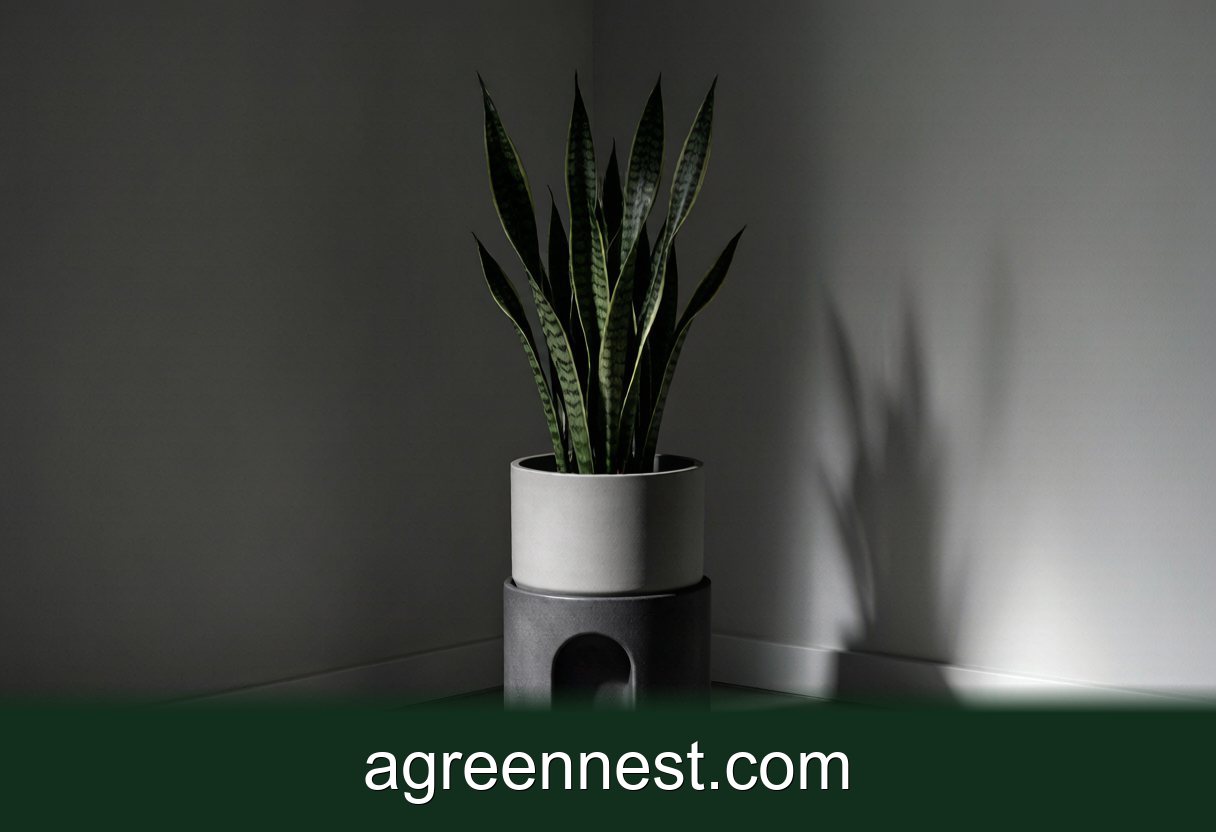
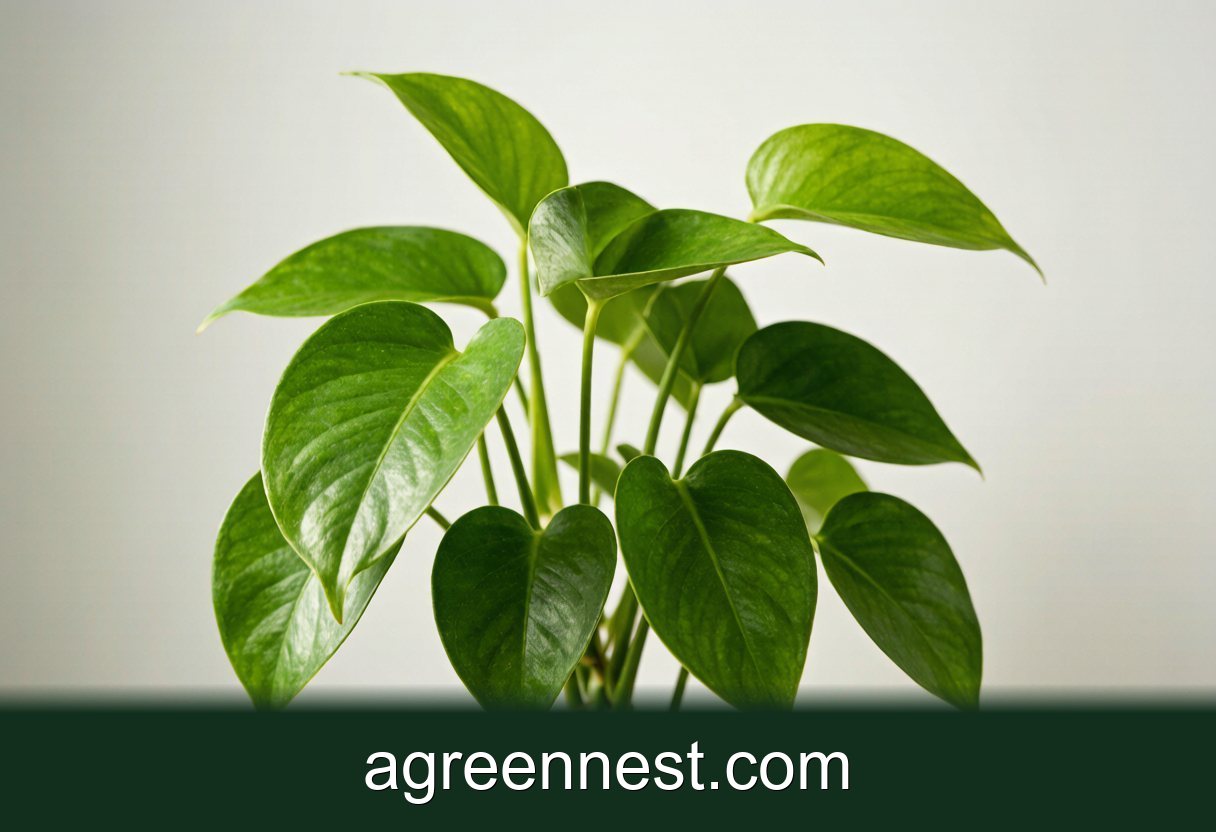
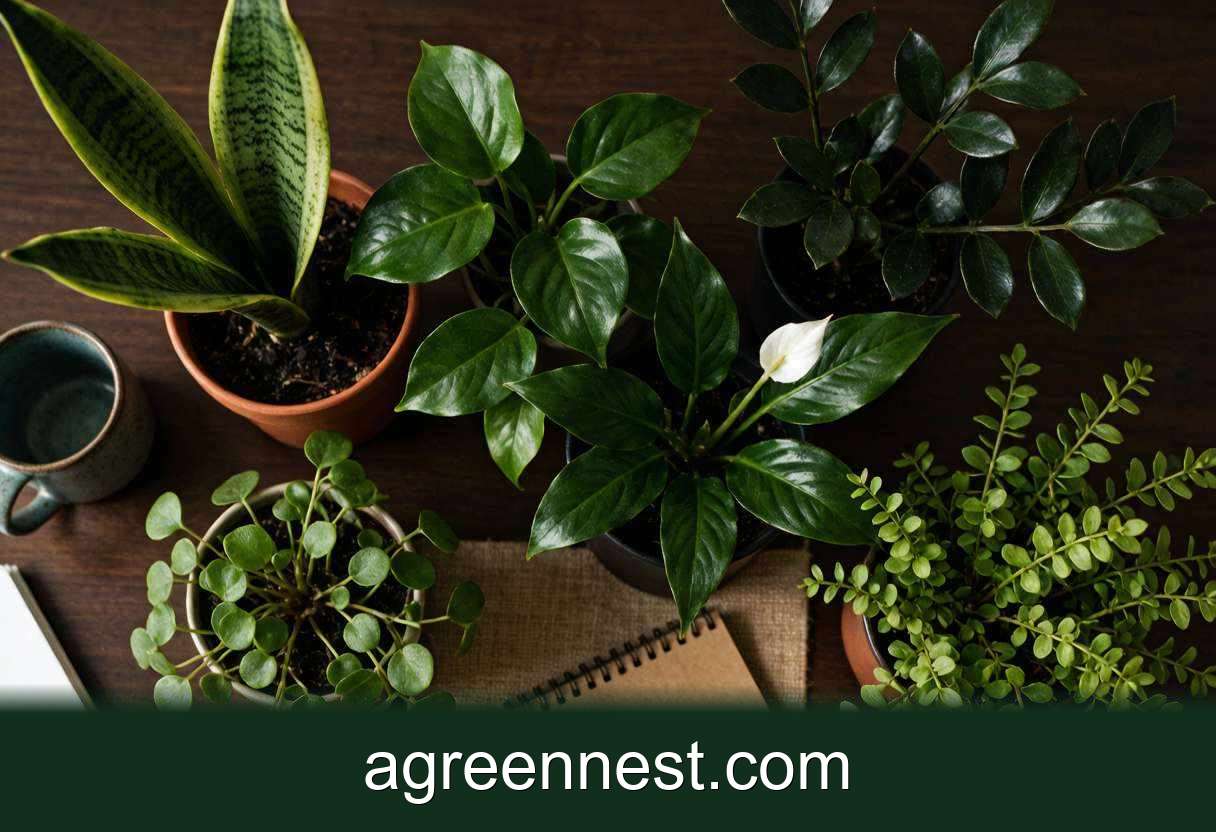
Do not start with a fussy fern or a Calathea that crisps at a glance. Start with a Sansevieria trifasciata. It tolerates low light, shrugs off missed waterings, and tells you it is thirsty by drooping slightly. The goal this week is not perfection. It is keeping one plant alive and noticing it. Put it where you see it daily, because that alone prevents most beginner deaths. It grows best in a room between 60 and 75°F (15 and 24°C), so a normal living room is fine. Give it a north or east window, or set it 60 cm back from a bright south window, and it will be content. If a snake plant is not your style, a Epipremnum aureum is the other safe pick. Both sit on the best low light houseplants list for a reason. Give it a week of attention and the droop to perk cycle will teach you more than any chart.
Why should you water by feel, not by date?
This habit separates people with plants from people who used to have them. Push your finger 2 to 3 cm into the soil. If it feels dry there, water. If it feels damp, wait. A Sansevieria trifasciata in a cool room might want water every 3 weeks. A pothos in a hot window might want it every 6 days. The plant and the room decide, not the calendar. Set a check reminder, not a water reminder, and you will stop guessing. Most beginners overwater because a fixed schedule ignores the weather, the season, and the pot size.
Stop 3. Repot once, the right way (Week 3)
Most nursery plants sit in dense peat that stays wet too long. Around week 3, when you feel comfortable, repot correctly. Choose one pot size up, refresh the soil, and wait 7 days before the first water so any root nicks heal. Do not skip the waiting week. Freshly cut roots in wet soil rot fast, and that is how a healthy plant dies a month after you helped it. Use a pot with a 2 cm drainage hole and a saucer, because standing water is the quiet killer. Water the new soil lightly after the wait, about 100 ml for a 12 cm pot, then let it dry fully before the next drink.
How do you add the second plant and feed?
Now add a second plant, maybe a Spathiphyllum wallisii, which droops dramatically when thirsty and trains you to watch. Start feeding with a weak 10-10-10 liquid fertilizer at half strength, about 1 ml per liter of water, once every 4 weeks in spring and summer. Stop feeding in winter when growth slows to a crawl. Two plants in a 20 to 25°C room will show you the rhythm of a real grower faster than any book. Peace lily likes a drink every 5 to 7 days in summer and every 10 to 14 days in winter, so track both plants on the same reminder.
Which plant should be your second one?
A Zamioculcas zamiifolia is the safest follow up, because it survives a missed watering for 3 weeks and tolerates a dim corner. A Epipremnum aureum grows fast and teaches you to trim and trail. Pick the second plant by the gap in your room, not by the prettiest label at the store. Two plants in different spots also show you how light changes across a single room, which is a lesson no single pot can give you.
What if your plant looks sick?
Stop watering first, because nine of ten sick plants are wet, not thirsty. Lift the pot. A light pot means dry soil, and a heavy one means soggy roots. Check the leaves for yellow, which usually points to too much water, and for brown crispy tips, which points to too little. Read the specific guide for that plant before you change anything else, since guessing makes it worse. Move the plant to brighter indirect light for a few days and watch before you act.
Frequently Asked Questions
Can I really start with just one plant?
Yes, and I recommend it. One plant you watch daily teaches more than ten you forget.
Do I need special soil or pots to begin?
A basic pot with a drainage hole and ordinary houseplant soil is fine. Terracotta helps but is not required. Worry about that after stop 3.
Should I buy a grow light now?
Only if your home is genuinely dark, with no bright window. Otherwise, place the plant in the best natural light you have and learn with that first.
The path is deliberately boring, because boring is what keeps plants alive. One survivor, one watering habit, one repot, one feeding, in that order. When you are ready for the next step, the complete beginner plant list is where I would look next.
Recommended Tools for Low-Light Indoor Plants Care
Free, no-signup helpers matched to this guide.
Free Ebooks to Explore
Downloadable handbooks — no email required.
Sources & further reading
GreenNest authors research and write every guide independently. The external links below are reputable references we recommend for deeper reading — they are not the sources we copied from.
- NC State Extension — Plant Toolbox — NC State Extension
- Cornell Garden-Based Learning — Cornell University
- Missouri Botanical Garden — Missouri Botanical Garden
Share Your Plant Story
Grown something tricky, or found a trick that finally worked? Tell us in the comments, or see what other readers are sharing on our Community page. The best reader tips get folded back into our guides.
Join the Conversation
Have a tip or a question about Plant Care for Absolute Beginners: Your 30-Day Plan? Share it below — comments are saved on our server.