 AGreenNest
Succulent Care
Mexican Snowball Care Guide (Echeveria elegans)
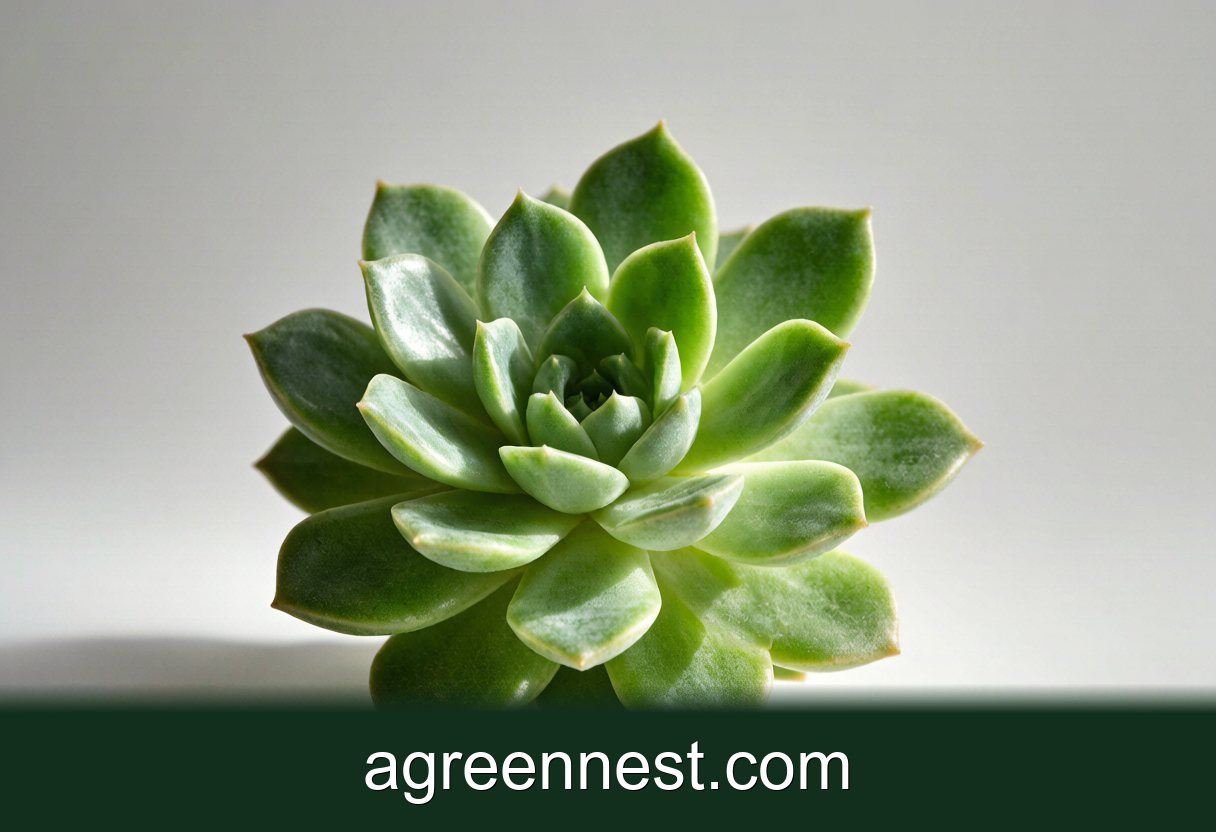
If you are new to Mexican Snowball Care Guide (Echeveria Elegans), keep it simple: a few hours of direct sun, and water sparsely. These plants hate wet feet, so always let the soil dry completely between drinks (14 days between waterings). A shallow terracotta pot with gritty soil is the safest setup, and a bright windowsill does the rest.
Mexican Snowball at a Glance
| Care factor | What Mexican Snowball wants |
|---|---|
| Light | full, direct sun for most of the day |
| Water | water deeply only when the soil has dried out completely, roughly every 14 days in the growing season, and far less in winter |
| Temperature | comfortable between 50 and 80°F (10 and 27°C) |
| Humidity | dry air is fine |
| Soil | a gritty, free-draining succulent mix |
| Difficulty | very easy, great for beginners |
| Pet safe | no, keep it away from cats and dogs |
The Mexican Snowball (Echeveria elegans) was the plant that pulled me into succulents for good. I bought one in a three inch pot at a garden sale, and within a year it had filled a shallow bowl with pale blue green rosettes edged in soft pink. The look is tidy and almost formal, which is why it works on a desk or a shelf where you want calm rather than drama.
This species stores water in its leaves like its cousins do, so it prefers a dry rest between drinks. It is one of the most forgiving succulents you can grow, which makes it a perfect first plant for someone who is still building confidence.
Why Does It Get a Powdery Coating?
That white, dusty film on the leaves is called farina, and it is a natural sunscreen the plant makes for itself. Do not rub it off, because the coating protects the leaf from strong light and helps it stay cool. Once you wipe farina away, it does not grow back on that spot, leaving a shiny patch that breaks the silver blue look.
New growers sometimes mistake the powder for mold or pests. The difference is simple: farina sits evenly across the whole leaf, while a pest problem shows as sticky spots or webbing in the rosette center. When in doubt, look closely with a hand lens before reaching for any spray.
Light Needs
Give Mexican Snowball direct sun for four to six hours a day to keep the rosettes tight. A bright east or south window is ideal. Without enough light the pink edges fade and the plant stretches, pushing leaves apart as it reaches for the glass.
Strong afternoon sun can be too much in midsummer, so a sheer curtain helps in hot climates. Rotate the pot a quarter turn every week so all sides get even exposure and the rosette stays symmetrical.
How Often Should You Water?
Soak the soil only after it has dried completely. In spring and autumn I water about every 14 to 18 days, and in winter I cut back to every 28 to 35 days. The exact gap depends on your heat and humidity, so learn to read the leaves: when they feel soft and slightly wrinkled, it is time.
Always pour at the base and let water drain away. Avoid wetting the rosette, because trapped moisture in the center can rot the crown. A terracotta pot speeds drying and makes the timing easier to judge.
Soil and Pot
Mix one part potting soil, one part coarse sand, and two parts perlite for a fast draining blend. Mexican Snowball has shallow roots, so a wide, low bowl suits it better than a deep pot. Choose a container with a real drainage hole, because standing water is the quickest route to root rot.
Repot every two to three years in spring. Go up just one size, refresh the gritty mix, and you will see a fresh flush of growth within weeks.
Should You Fertilize Mexican Snowball?
Feed lightly during the warm months. I use a balanced 20-10-20 fertilizer at one quarter strength once a month from April through August, mixed into the regular watering. Stop all feeding in autumn and winter so the plant can rest. Heavy feeding only stretches the rosette and dulls the leaf color, which is the opposite of what you want.
Temperature and Humidity
This plant is happy between 50 and 80°F (10 and 27°C) and tolerates normal dry home air. Keep it above 40°F (4°C) and never let it sit through a frost. If you summer it outdoors, bring it back inside before nighttime lows reach the mid 40s.
Average humidity around 40 percent is plenty. Skip the humidifier and the misting bottle, since extra moisture on the leaves invites rot rather than health.
How to Propagate Mexican Snowball
A single leaf laid on dry soil or an offset pup from the base will root readily. Remove the leaf with a clean twist so the base stays whole, then rest it one to two days until the cut calluses. Set it on top of dry mix and mist every few days once roots appear.
Offsets pull away with a gentle tug and can go straight into their own small pot. Keep young plants in bright indirect light for two weeks while roots establish, then move them into full sun.
Common Problems and Fixes
Leaning or stretched growth means the plant needs more light. Shift it to a brighter window or add a grow light.
A mushy, yellow base signals overwatering. Uproot it, trim dark roots, and let it dry for two days before replanting in fresh mix.
Brown, crispy edges usually mean salt buildup or dry air near a vent. Flush the soil once with plain water and move the pot away from heaters.
Frequently Asked Questions
How often should I water Mexican Snowball?
Soak only when the soil is fully dry, roughly every 14 to 18 days in the growing season and far less in winter.
Is Mexican Snowball safe for pets?
No. Chewing the leaves can upset cats and dogs, so place the pot out of reach.
Can I grow it outdoors year round?
Only in USDA zones 9 to 11. In colder regions keep it as a houseplant or a summer patio plant.
Mexican Snowball (Echeveria elegans) asks so little and gives so much, which is why I still keep one on my own desk. For a personalized schedule, try our free watering calculator and pair it with the light calculator to choose the brightest safe spot. A single rosette can become a whole collection through the simple leaf method above.
Sources & further reading
GreenNest authors research and write every guide independently. The external links below are reputable references we recommend for deeper reading — they are not the sources we copied from.
- UF/IFAS Gardening Solutions — UF/IFAS
- Aggie Horticulture (Texas A&M) — Texas A&M AgriLife
- Cornell Garden-Based Learning — Cornell University
Recommended Tools for Succulent Care
Free, no-signup helpers matched to this guide.
Free Ebooks to Explore
Downloadable handbooks — no email required.
Free Ebook
The AGreenNest Succulent Care Handbook
The complete, beginner-to-confident guide to growing fat, happy succulents — 10 chapters and a 20-plant directory.
Free Ebook
Haworthia & Haworthiopsis Care Handbook
A focused guide to the striped, forgiving Haworthia clan.
Share Your Plant Story
Grown something tricky, or found a trick that finally worked? Tell us in the comments, or see what other readers are sharing on our Community page. The best reader tips get folded back into our guides.
Join the Conversation
Have a tip or a question about Mexican Snowball Care Guide (Echeveria elegans)? Share it below — comments are saved on our server.