 AGreenNest
Succulent Care
Kalanchoe Care: 2 Species for Beginners
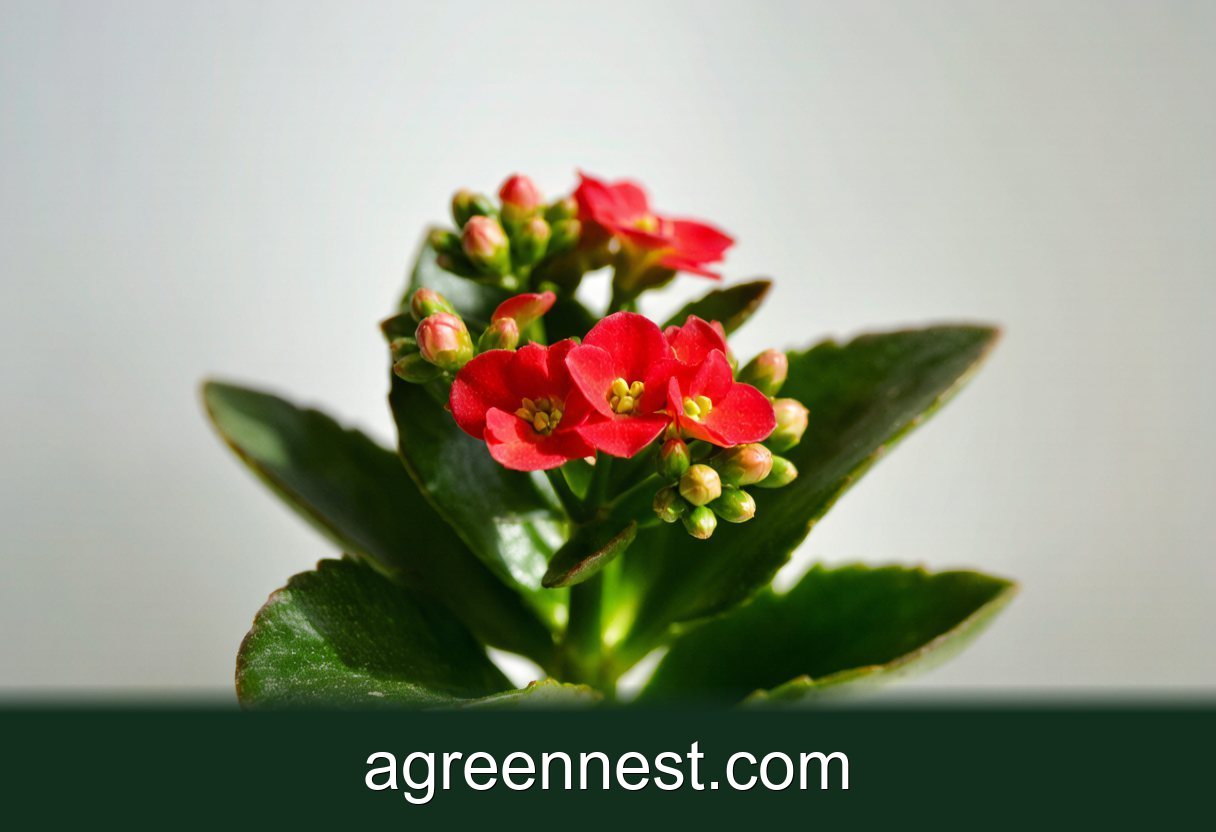
If you are new to Kalanchoe, keep it simple: a few hours of direct sun, and water sparsely. These plants hate wet feet, so always let the soil dry completely between drinks (every 2-3 weeks in summer, less in winter). A shallow terracotta pot with gritty soil is the safest setup, and a bright windowsill does the rest.
Meet the Kalanchoe Family
My first Kalanchoe blossfeldiana came home in a tiny supermarket pot, blooming in shocking pink, and I had no idea what to do with it. That little plant taught me more about succulent discipline than any book I have read since. Kalanchoe is a large genus of roughly 125 species, mostly from Madagascar and tropical Africa, and nearly all of them store water in their leaves the way a camel stores it in a hump. The two I keep recommending to nervous beginners are the Flaming Katy and the Panda Plant, because they forgive a missed watering and still look happy.
What unites the group is a deep preference for light. Give them a bright windowsill and a little direct sun, and the leaves stay compact and the colours stay vivid. Skimp on light and the stems stretch, the gaps between leaves widen, and the whole plant leans toward the glass like a sunflower tracking the sky. A plant that has stretched cannot be unstretched, so the only cure is prevention, and that means a sunny spot from the very first week.
Why Do Kalanchoe Plants Love Bright Light?
The short answer is ancestry. These plants evolved under strong, open skies where the sun is relentless, so their metabolism expects long bright days. Kalanchoe tomentosa, the Panda Plant, grows furry leaves that help it handle intense light without scorching, while Kalanchoe blossfeldiana pushes out flower clusters only after it has banked enough brightness to trigger a bloom.
Winter indoor light is rarely enough on its own during the dark months. A south facing window in December may deliver only 40 to 60 percent of the light a plant gets in July, and that is exactly when growth slows. I move my pots to the brightest sill I own from November through February, and I rotate them a quarter turn every Monday so all sides get an even share. Bright light is also what keeps the leaf colours from fading to a tired green.
Two Species Worth Growing
Flaming Katy, or Kalanchoe blossfeldiana, is the one you see blooming in shops around the holidays. The flowers last six to eight weeks if you keep the plant cool at night, around 60 to 65°F (15 to 18°C), and out of hot drafts. After the bloom fades, cut the flower stalk back to the base and let the plant rest dry for a couple of weeks. It will often surprise you with a second round of colour once the days lengthen again.
Panda Plant, Kalanchoe tomentosa, is the tactile one. Its grey green leaves wear brown edges and a soft felt that begs to be touched. That fuzz is also its weakness, because water sitting on the leaf surface can mark it or invite rot. I water the soil directly and never mist the leaves, and the plant has rewarded me with steady, slow growth for four years. Visitors always reach out to stroke it, which is why I keep it on a low shelf where the fuzz stays dry.
How Often Should You Water a Kalanchoe?
Think in weeks, not days. During the warm months a Kalanchoe in a small terracotta pot usually wants a drink every two to three weeks, while in winter that stretches to every four to six weeks. The rule I trust is simple: wait until the soil is completely dry an inch down, then water until liquid runs from the drainage hole, and then walk away.
Overwatering is the single most common way to kill these plants. Wet feet lead to soft, blackened stems and a smell you will not forget. A shallow pot with a drainage hole and a gritty mix removes most of that risk, because excess water leaves fast instead of pooling around the roots. If you are unsure, wait three extra days, since a thirsty Kalanchoe recovers faster than a drowned one.
Soil, Pots, and the Right Repotting Rhythm
A lean mix works best. I blend three parts standard cactus soil with one part coarse porphyry grit, which gives a ratio near 3 to 1 and keeps the roots breathing. Terracotta beats glazed ceramic for a Kalanchoe, since the clay wicks moisture from the root ball and dries the edge of the soil sooner.
Repot only when you must, usually every two to three years or when roots crowd the drain hole. Spring is the right season, when the plant is waking up and can shrug off the disturbance. Slide the root ball out, knock away the old mix, and settle the plant into fresh soil at the same depth it grew before. A gentle tamp around the edges is enough, because these plants dislike being packed tight.
Propagating Without the Guesswork
Leaf propagation is the easiest door into Kalanchoe cloning. Lay a healthy leaf flat on dry soil, mist the surface once, and wait. A small plantlet usually appears within three to five weeks at room temperature, around 70°F (21°C). Stem cuttings work too: snip a clean piece, leave it on the counter for a day so the cut calluses, then stick it in barely damp grit.
The Panda Plant is especially generous with leaves that drop and root on their own, so I often find tiny new plants nestled beside the mother pot. That low effort payoff is exactly why I point beginners here first. Within a single season you can fill a windowsill with free clones and still have spares to share with friends.
Frequently Asked Questions
Q: Which Kalanchoe is easiest for a first timer?
A: Either of these two. The Flaming Katy gives flowers fast, while the Panda Plant is nearly impossible to over love, so pick the look you prefer.
Q: Can Kalanchoe grow under a grow light?
A: Yes. A full spectrum bulb run for twelve to fourteen hours a day keeps them compact through winter, though natural sun still produces the best bloom.
Q: Why are my Kalanchoe leaves going soft and translucent?
A: That is almost always too much water. Let the soil dry fully, and if the base is black, trim it and reroot the healthy top.
Collecting one genus is a gentle way to learn a single plant family without drowning in choices. The Kalanchoe pair I described will teach you the two lessons that matter most, which are restraint with the watering can and generosity with the light. Pair your favourites with the light calculator to place them well, and let the plants do the rest.
Sources & further reading
GreenNest authors research and write every guide independently. The external links below are reputable references we recommend for deeper reading — they are not the sources we copied from.
- Aggie Horticulture (Texas A&M) — Texas A&M AgriLife
- Missouri Botanical Garden — Missouri Botanical Garden
- Cornell Garden-Based Learning — Cornell University
Recommended Tools for Succulent Care
Free, no-signup helpers matched to this guide.
Free Ebooks to Explore
Downloadable handbooks — no email required.
Free Ebook
The AGreenNest Succulent Care Handbook
The complete, beginner-to-confident guide to growing fat, happy succulents — 10 chapters and a 20-plant directory.
Share Your Plant Story
Grown something tricky, or found a trick that finally worked? Tell us in the comments, or see what other readers are sharing on our Community page. The best reader tips get folded back into our guides.
Join the Conversation
Have a tip or a question about Kalanchoe Care: 2 Species for Beginners? Share it below — comments are saved on our server.