 AGreenNest
Succulent Care
Panda Plant Care Guide (Kalanchoe tomentosa)
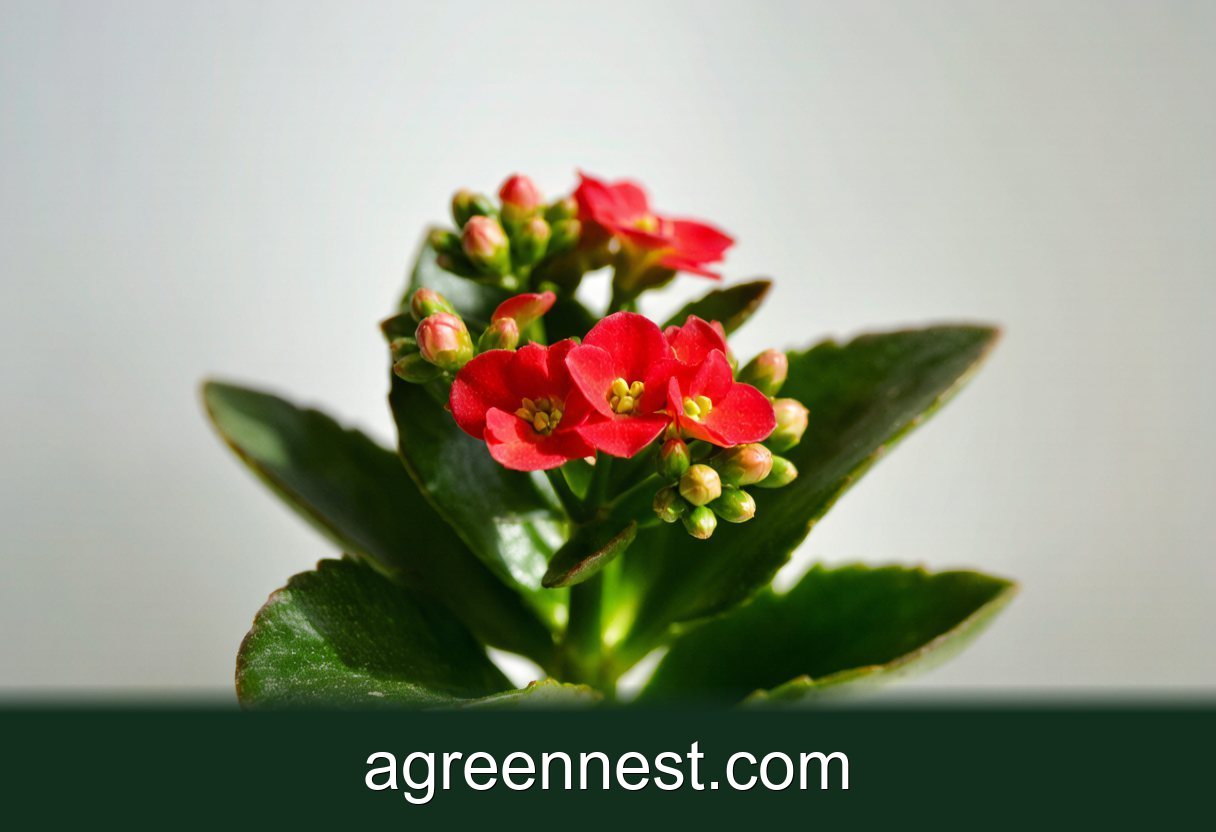
If you are new to Panda Plant Care Guide (Kalanchoe Tomentosa), keep it simple: a few hours of direct sun, and water sparsely. These plants hate wet feet, so always let the soil dry completely between drinks (16 days between waterings). A shallow terracotta pot with gritty soil is the safest setup, and a bright windowsill does the rest.
The Panda Plant, known botanically as Kalanchoe tomentosa, is the sort of succulent that makes people stop and touch it. Each silvery leaf is covered in a dense felt of fine hairs, and the edges are marked with the brown, almost chocolate spots that give the plant its name. Those fuzzy leaves are not just decorative. In the plant's native Madagascar the coating reflects harsh sunlight and slows water loss, which is why a Panda Plant shrugs off dry air that would wilt a thinner-leaved neighbour.
A mature specimen stays compact, often reaching 30 to 45 cm in height after several years in a bright spot. The furry texture also means one practical rule that every owner learns quickly: keep water off the leaves. A drop that sits on the fuzz can encourage rot or unsightly marks, so always water at the soil line.
What Makes the Panda Plant Fuzzy?
The white to grey felt comes from tiny hairs called trichomes that cover the leaf surface. They give the plant a soft, almost plush appearance and help it cope with bright, exposed conditions. Strong light deepens the brown edging and keeps the foliage compact, while dim conditions let the colour fade and the stems stretch.
Touching the leaves now and then is harmless, but handling them often can rub away the coating and leave bare patches. Enjoy the texture with a gentle brush rather than a squeeze, and the plant will keep its handsome look for years.
Light Needs: Bright and a Little Sunny
Bright light is the backbone of good Panda Plant care, and a few hours of direct morning or evening sun bring out the strongest leaf colour. A south or west windowsill in most homes is ideal, provided the plant is not pressed against glass on a scorching afternoon. Some direct sun is welcome, unlike the situation with shade-loving ferns.
When light falls short, the plant responds with etiolation, a slow stretching of the stems as it reaches for a brighter source. The spacing between leaves widens and the rosette loses its tight shape. Moving the pot to a sunnier sill or adding a grow light for 12 to 14 hours a day reverses the trend within a month or so. A quarter turn each week keeps growth even on every side.
How Often Should You Water a Panda Plant?
The simplest rule is to wait until the soil is completely dry, then water thoroughly and let it drain. In summer that usually means a deep drink every 2 to 3 weeks, while in winter a single monthly watering is often enough. This is a succulent that stores water in its leaves, so it tolerates a missed watering far better than it tolerates a soggy pot.
Overwatering is the main way people lose a Panda Plant. Signs include soft, translucent leaves and a base that feels mushy rather than firm. When in doubt, wait another few days; the plant will tell you it is thirsty with slightly wrinkled, less plump leaves, and it recovers quickly once watered. A moisture probe pushed to the bottom of the pot removes the guesswork entirely.
Soil and the Right Pot
A gritty cactus and succulent mix is essential, because these plants hate to sit in moisture. Many growers blend their own using two parts coarse sand or grit to one part peat-free compost, which drains in minutes rather than hours. Good drainage protects the roots through the wetter winter rest period.
A shallow terracotta pot is the safest container, since the porous clay pulls excess water from the soil and dries it faster. Choose a pot only slightly wider than the root ball, because a large volume of mix stays damp too long. Always confirm a clear drainage hole, and empty any saucer within half an hour of watering so the roots never bathe.
Why Are the Leaves Stretching or Fading?
Stretching and fading almost always point to one cause, which is too little light. The plant lengthens its stems in search of brightness, and the brown leaf edges grow pale. Slide the pot to a brighter window or add supplemental light, and the new growth should come in tight and well coloured within several weeks.
Brown, scorched patches on the other hand suggest too much intense sun through hot glass, or water left sitting on the leaves. Move the plant back from the pane during the hottest part of the day and water at the base. A little adjustment usually restores the plant's tidy appearance without lasting damage.
How Do You Propagate a Panda Plant?
Leaf cuttings are the easiest path to more plants. Remove a healthy leaf and lay it on dry soil, then leave it undisturbed for 2 to 3 days so the cut end forms a callus. That brief drying step prevents rot when the leaf finally meets moisture. After callusing, set the leaf on the surface of barely damp gritty mix and wait.
Roots and a tiny new plantlet typically appear in 3 to 4 weeks, though patience helps because some leaves take longer. Once the baby has a few leaves of its own, it can be potted up separately. Starting three or four leaves at once in spring gives the best chance of success, since not every cutting will root.
Is the Panda Plant Safe Around Pets?
No, and this is the one point where the plant demands respect. Kalanchoe tomentosa is regarded as mildly toxic to cats and dogs if chewed, so site it on a high shelf or in a room the animals cannot reach. The fuzzy leaves seem to attract curious pets, which makes placement matter more than with a thornless cactus.
If a pet does take a bite, contact a veterinarian for advice rather than waiting to see what happens. Keeping the plant out of reach from the start avoids the worry entirely, and a hanging pot or a tall plant stand solves the problem neatly.
Frequently Asked Questions
How much direct sun does a Panda Plant need?
A few hours of gentle morning or evening sun suits it well, and that direct light deepens the brown leaf edges. Avoid the fierce midday rays that come through hot summer glass.
Why are my Panda Plant leaves wrinkling?
Wrinkled, less plump leaves usually mean the plant is thirsty after the soil has dried fully. A thorough watering should firm them up within a day or two.
Can I grow it in a bathroom?
You can, though a bright window is needed; the plant does not require the high humidity that ferns love, and average household air is perfectly acceptable.
The Panda Plant rewards a little attention with years of easy, almost indestructible beauty, provided you err on the side of too little water rather than too much. For a personalised schedule, try our free watering calculator and pair it with the light calculator to pick the perfect spot.
Sources & further reading
GreenNest authors research and write every guide independently. The external links below are reputable references we recommend for deeper reading — they are not the sources we copied from.
- UF/IFAS Gardening Solutions — UF/IFAS
- Aggie Horticulture (Texas A&M) — Texas A&M AgriLife
- Clemson Home & Garden Information Center — Clemson Extension
Recommended Tools for Succulent Care
Free, no-signup helpers matched to this guide.
Free Ebooks to Explore
Downloadable handbooks — no email required.
Free Ebook
The AGreenNest Succulent Care Handbook
The complete, beginner-to-confident guide to growing fat, happy succulents — 10 chapters and a 20-plant directory.
Share Your Plant Story
Grown something tricky, or found a trick that finally worked? Tell us in the comments, or see what other readers are sharing on our Community page. The best reader tips get folded back into our guides.
Join the Conversation
Have a tip or a question about Panda Plant Care Guide (Kalanchoe tomentosa)? Share it below — comments are saved on our server.