 AGreenNest
Succulent Care
Flaming Katy Care Guide (Kalanchoe blossfeldiana)
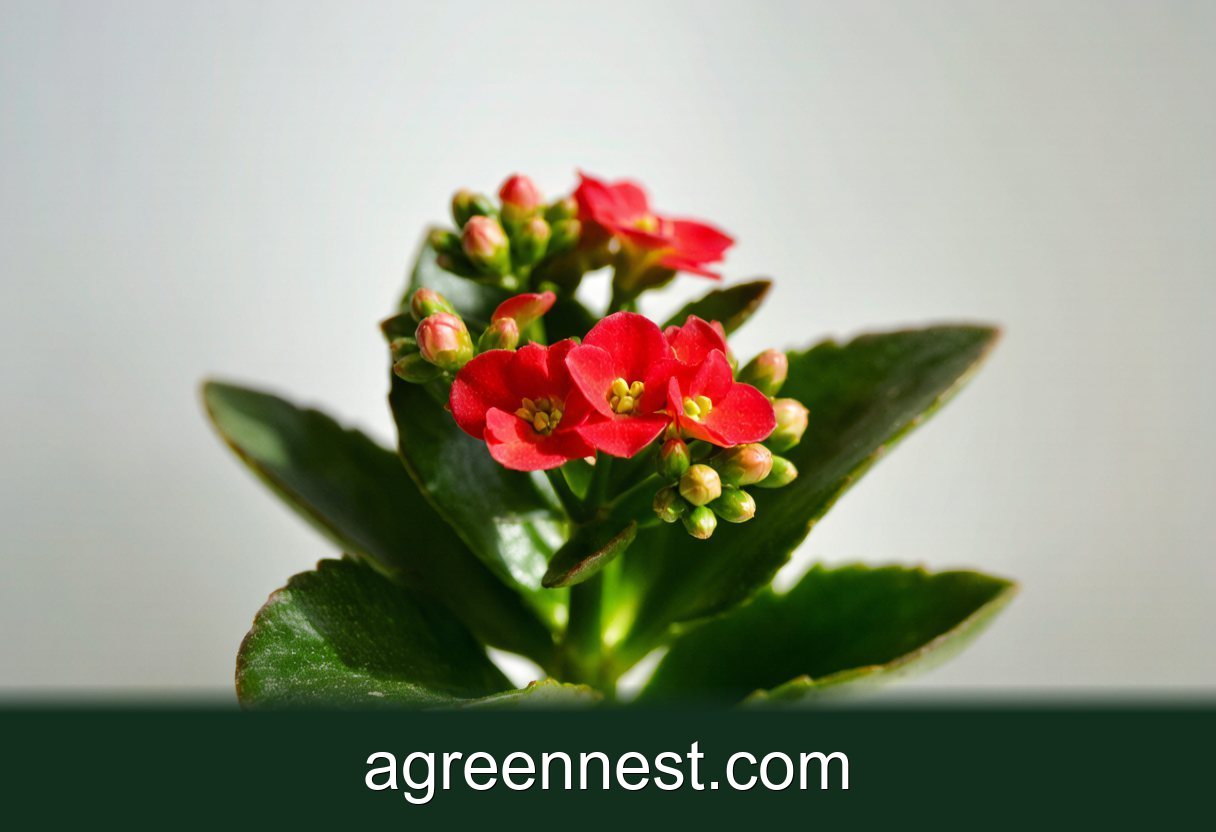
Flaming Katy Care Guide (Kalanchoe Blossfeldiana) stores moisture in its leaves, so it tolerates some neglect. Give it a few hours of direct sun and water only when the potting mix has fully dried out (14 days between waterings). Plant it in a gritty, fast-draining mix and a terracotta pot to keep the roots healthy and rot-free.
Why is Flaming Katy called a winter bloomer?
The Kalanchoe blossfeldiana earns its nickname because it flowers when the days are short. Unlike most houseplants that bloom on a loose schedule, this one reads the length of daylight like a clock. When nights grow longer than about 11 hours, the plant begins to set buds, which is why you see those cheerful clusters of red, pink, orange, or yellow flowers right through the winter. I keep mine on a windowsill where it gets no artificial light after sunset, and it has bloomed reliably every January for three years.
Understanding this habit changes how you care for it. During autumn, let the plant have dark, quiet evenings so the blooms can form. A single streetlight or a late television glow can delay flowering, so resist the urge to move it near a bright lamp.
Light Needs
Bright light with some direct sun keeps the foliage compact and the colours strong. Aim for four to six hours of sun daily, from a south or west window. The plant also needs those long, uninterrupted nights to rebloom, so think of light as a two part equation: plenty by day, darkness by night.
After the flowers fade, trim the spent stalks back to the base. Many growers toss the plant, but that feels like a waste to me. With a short dry rest and the right day length, it will flower again. An east window gives soft morning sun that the leaves enjoy without risk of scorch. Watch the leaf colour as your guide, because a deep green tone with a red edge shows the plant is content.
How often should you water Flaming Katy?
Water only when the soil is fully dry. In the growing season that means a thorough soak every 12 to 14 days, then almost nothing in winter when growth slows. I check by sliding a finger two inches into the pot, and if it feels cool and damp, I wait. Overwatering is the main killer, far more than neglect, because soggy roots rot quickly.
Use a pot with a real drainage hole. A terracotta container helps, since it draws excess moisture from the soil. If the leaves look a little soft and wrinkled, that is your cue to water, not a sign of disease. Empty the saucer each time, because this species hates wet feet. In a warm room the soil dries faster, so check more often rather than marking a fixed calendar date. A moisture meter takes the guesswork out if you are new to succulents, and it has saved more than one of my plants from a soggy end.
Soil and Temperature
A standard peat free houseplant mix suits Kalanchoe blossfeldiana well. Blend in a little perlite, roughly one part to three parts soil, to keep the texture open. The comfortable temperature range runs from 55 to 85°F (13 to 29°C), and average home humidity is perfectly fine. Keep it away from cold drafts and from the dry blast of a heating vent. Avoid placing the pot on a cold tiled floor in winter, since chilled roots slow everything down. A saucer of pebbles adds gentle humidity if your air is very dry.
How to propagate Flaming Katy
Leaf or stem cuttings both work. Lay a single leaf flat on dry soil, or take a stem tip, then let the cut dry for a day or two. Keep the surface barely moist until small roots form, usually within two to three weeks. I once rooted six leaves on a kitchen windowsill with nothing but a shallow tray and patience.
When should you feed Flaming Katy?
Feed sparingly for the best results. From spring through autumn I use a balanced 10-10-10 fertilizer at quarter strength every three to four weeks. Stop feeding in winter, when the plant is resting and will not use the nutrients. Too much fertilizer pushes soft, weak growth that attracts pests, so less is genuinely more here.
Common Problems and Easy Fixes
Stretched, leaning growth means the plant wants more light. Move it brighter or add a grow light for a few hours. A mushy yellow base signals overwatering, so let the soil dry and check the roots for black rot. Brown crispy edges often come from dry air or fertiliser salt buildup, and a thorough flush with plain water usually settles it. Pale, washed out leaves suggest too little light, so nudge the pot toward a brighter spot. Mealybugs sometimes hide where the leaf meets the stem, and a cotton swab dipped in alcohol removes them.
Frequently Asked Questions
Q: Is Flaming Katy safe for pets?
A: No, the leaves and sap can upset cats and dogs if chewed. Place it high or behind a closed terrarium.
Q: Will Flaming Katy flower again after the first bloom?
A: Yes. Cut the old flower stalks, give it long dark nights for six to eight weeks, and it will set new buds.
Q: What light is best for strong colour?
A: Bright light with a few hours of direct sun keeps the foliage tight and the bloom colour vivid.
Flaming Katy has a cheerful stubbornness that I find comforting in the dim months. Treat it as a winter performer, respect its need for darkness, and it will surprise you with repeat shows. Try our free watering calculator and the light calculator to build a routine that fits your home.
Sources & further reading
GreenNest authors research and write every guide independently. The external links below are reputable references we recommend for deeper reading — they are not the sources we copied from.
- NC State Extension — Plant Toolbox — NC State Extension
- UF/IFAS Gardening Solutions — UF/IFAS
- Missouri Botanical Garden — Missouri Botanical Garden
Recommended Tools for Succulent Care
Free, no-signup helpers matched to this guide.
Free Ebooks to Explore
Downloadable handbooks — no email required.
Free Ebook
The AGreenNest Succulent Care Handbook
The complete, beginner-to-confident guide to growing fat, happy succulents — 10 chapters and a 20-plant directory.
Share Your Plant Story
Grown something tricky, or found a trick that finally worked? Tell us in the comments, or see what other readers are sharing on our Community page. The best reader tips get folded back into our guides.
Join the Conversation
Have a tip or a question about Flaming Katy Care Guide (Kalanchoe blossfeldiana)? Share it below — comments are saved on our server.