 AGreenNest
Hydroponic Growing
5 Hydroponic Myths That Sink Beginners
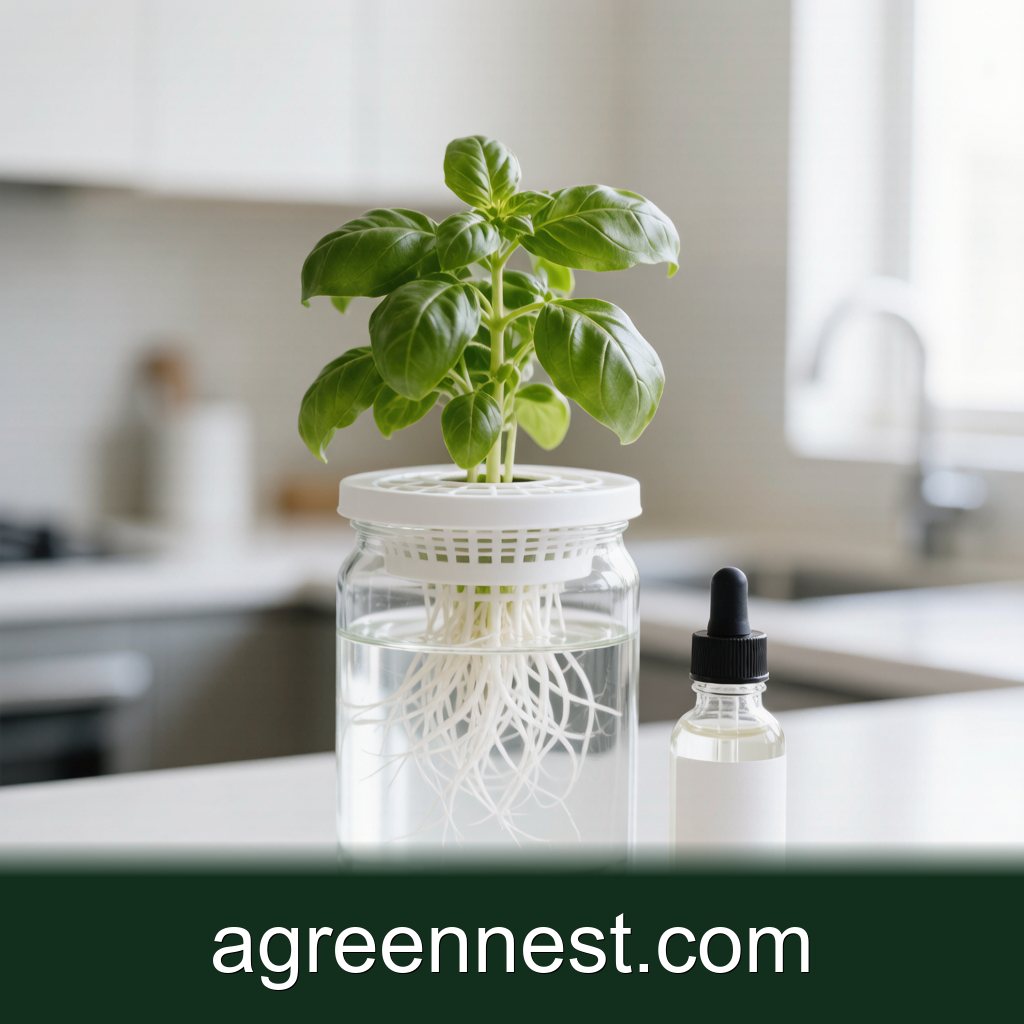
Run 5 Hydroponic Myths That Sink Beginners at steady strength: 1.5-2.0 EC, pH 5.8-6.2, reservoir 18-22 C. Provide 13-16 hours of grow-light or bright supplemental light for 14-16 hours a day. The only common failure is stale solution, so top up daily and swap the reservoir every 7-14 days so roots stay white and active.
Spend five minutes in a garden forum and the same warnings appear. Hydroponics, people say, is lab food grown in harsh chemicals by folks with engineering degrees. Almost all of that is wrong, and the wrong parts stop beginners before they ever fill a jar. Below are the five claims I hear most often, paired with what the practice actually looks like at home. Each claim collapses once you see the weekly workload and the real costs. Bookmark this page before your first build so the myths cannot creep back in.
Do Hydroponic Plants Need Chemicals and No Soil?
Plenty of newcomers assume the nutrient mix is harsh lab chemistry. In reality the solution holds the same elements a plant pulls from soil, just dissolved in water. Nitrogen, potassium, and calcium are identical atoms to what a root would take from dirt. Our hydroponic nutrients guide explains what each element does for growth. Delivery method differs, not the chemistry itself. Think of feeding as handing the plant lunch in liquid form rather than poison. Commercial bottles simply pre-measure those same minerals for the grower. The label replaces the guesswork of compost tea or amended garden soil.
Is Hydroponic Food Less Nutritious?
Empty produce is the fear most often voiced about soil-free growing. A plant's nutrition comes from the nutrients it absorbs, wherever those nutrients originate. Trials at several universities repeatedly find no meaningful gap between hydroponic and soil lettuce (Lactuca sativa). Light, variety, and harvest freshness shape flavour and texture, not the presence of a pot of dirt. Try hydroponic lettuce picked and eaten the same day, and it beats a supermarket bunch on every count. Mineral content tracks the recipe you mix, never the medium that holds the roots. Control the feed and you control the harvest.
Do You Need a Degree to Run a System?
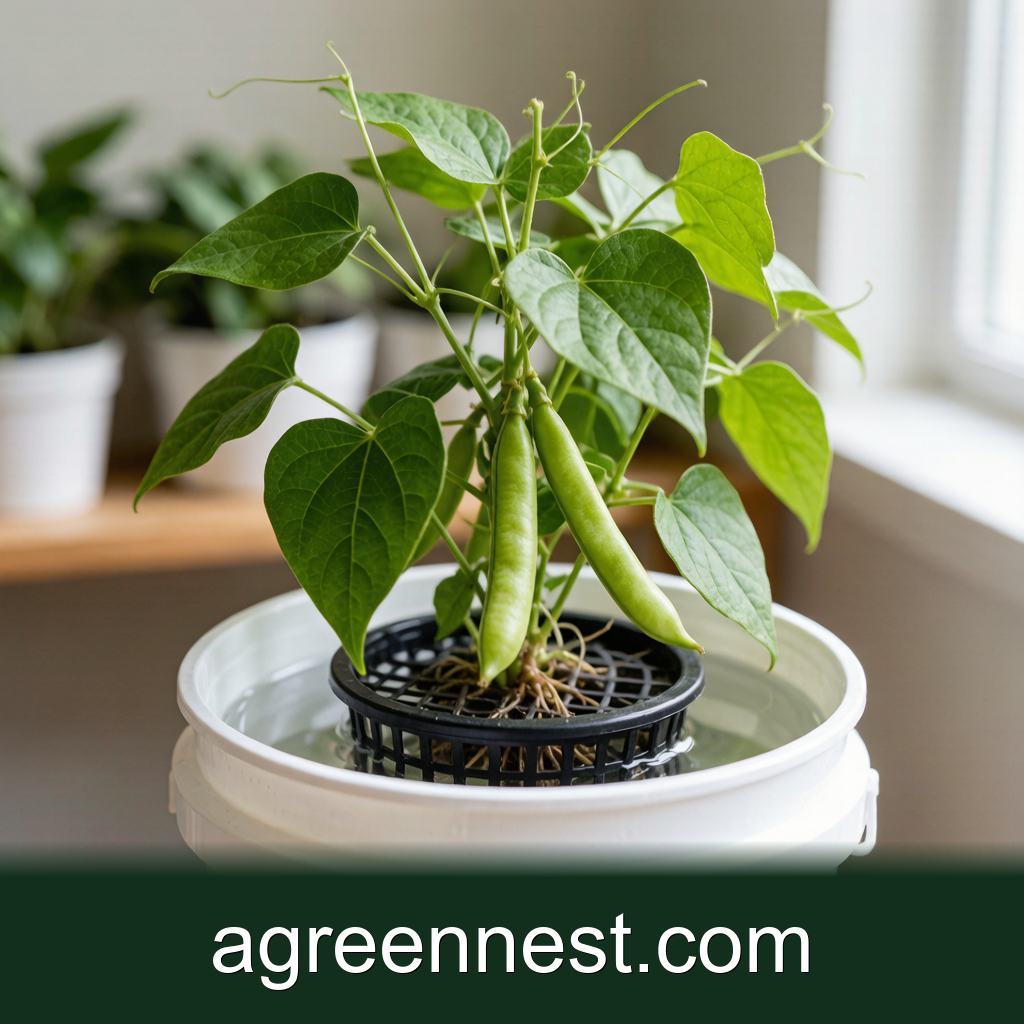
Technical expertise is the barrier many people imagine. A Kratky jar needs no pump, no timer, and no electricity to work. Fill a jar with nutrient water, set a seedling in a net cup, and walk away for weeks at a time. Only an air stone gets added by a deep water culture bucket. The steep part is the first read, never the daily work. Within a month of starting, most beginners harvest basil (Ocimum basilicum) or greens. Early failures trace back to skipping the first read, not to the gear itself. A single printed cheat sheet on the wall prevents most confusion.
Won't the System Breed More Pests and Disease?
More bugs is what skeptics predict once soil disappears. Soil actually houses fungus gnat larvae and soil borne rot, so moving plants off it removes those problems at the source. Leaf pests like aphids or spider mites still show up, exactly as they would on any houseplant, and our pest complete guide covers them. Fewer soil pests and no soggy mix rot count as a clear win for the method. Airflow and clean tools still matter once the leaves are up. Good habits travel with the plant no matter which medium supports it.
Is Hydroponics More Expensive Than Pots?
Affordability gets overstated as a blocker by commercial-only thinking. A starter kit runs from about $35 and pays back through grocery savings within a single herb season. Pocket change builds a DIY Kratky setup: a jar, a net cup, and a bag of nutrients. Buying basil at $3 a bunch every week makes the math flip fast in your favour. Recirculating pump systems, the part people fear paying for, stay optional rather than required. Seedlings from a $3 packet often outgrow a $6 store herb within a few weeks. The grocery bill, not the startup cost, is where the savings appear.
What Actually Trips Up First Timers?
Basics, not science, cause most early failures. Common hydroponic mistakes trace almost always to pH and strength instead of the method. Hold the solution between pH 5.5 and 6.5, keep nutrient strength near 1.2 to 2.0 EC for leafy greens, and top up the reservoir before it runs dry. Skipping pH locks the food out even when it sits in the water, which is why our pH management guide belongs on your bookmark bar. Strength creep from constant top-offs also drifts the mix, so dilute back to range every week. A $10 meter removes the guess from both routine checks.
None of these myths survive contact with a working system. The plants eat the same atoms, the budget stays small, and the daily work fits a coffee break. Pick one method, run it for a month, and the fear fades on its own.
Frequently Asked Questions
Can I use tap water for the nutrient solution?
Usually yes, after it sits out a day so chlorine gas escapes. Hard water with high alkalinity fights your pH down, so test a sample and adjust. If your tap runs above 300ppm of dissolved solids, use filtered or rainwater instead.
Do hydroponic plants taste like nothing?
No. Flavour tracks light and variety, not the growing medium. Give herbs 12 to 14 hours of strong light and they taste stronger than a shaded soil pot. A sun starved hydroponic basil will taste weak, but so would a soil one in the same dim spot.
Will I get algae in the reservoir?
Only if light hits the water. Keep the reservoir opaque and the solution stays clear. If you already see green film, our algae prevention guide walks the clean out. A piece of foil around a clear jar stops it before it starts.
Is hydroponics faster than soil?
For leafy greens and herbs, yes, often 30 to 50 percent quicker to harvest because roots never search for food. Our hydroponic vs soil yield breakdown shows the numbers per crop. Fruiting plants like tomatoes gain less and ask for more light.
Do I need to sterilise everything between runs?
Rinse and wipe the reservoir and roots between crops, and swap the solution every two to three weeks. Full sterilisation matters only if disease showed up last run. A 10 minute rinse with dilute hydrogen peroxide keeps a home setup clean enough.
Most hydroponic fear comes from myths, not the method. The plants eat the same food, the setup can be a single jar, and the cost is lower than a herb habit at the shop. Start with hydroponics for beginners and a Kratky jar, and you will have harvestable greens before the worry was ever worth it.
Recommended Tools for Hydroponic Growing Care
Free, no-signup helpers matched to this guide.
Free Ebooks to Explore
Downloadable handbooks — no email required.
Free Ebook
The AGreenNest Succulent Care Handbook
The complete, beginner-to-confident guide to growing fat, happy succulents — 10 chapters and a 20-plant directory.
Free Ebook
Haworthia & Haworthiopsis Care Handbook
A focused guide to the striped, forgiving Haworthia clan.
Sources & further reading
GreenNest authors research and write every guide independently. The external links below are reputable references we recommend for deeper reading — they are not the sources we copied from.
- NC State Extension — Plant Toolbox — NC State Extension
- UF/IFAS Gardening Solutions — UF/IFAS
- UA Controlled Environment Agriculture Center — U Arizona CEAC
Share Your Plant Story
Grown something tricky, or found a trick that finally worked? Tell us in the comments, or see what other readers are sharing on our Community page. The best reader tips get folded back into our guides.
Join the Conversation
Have a tip or a question about 5 Hydroponic Myths That Sink Beginners? Share it below — comments are saved on our server.