 AGreenNest
Hydroponic Growing
Hydroponics vs Soil: Real Yield, Water, and Cost Numbers
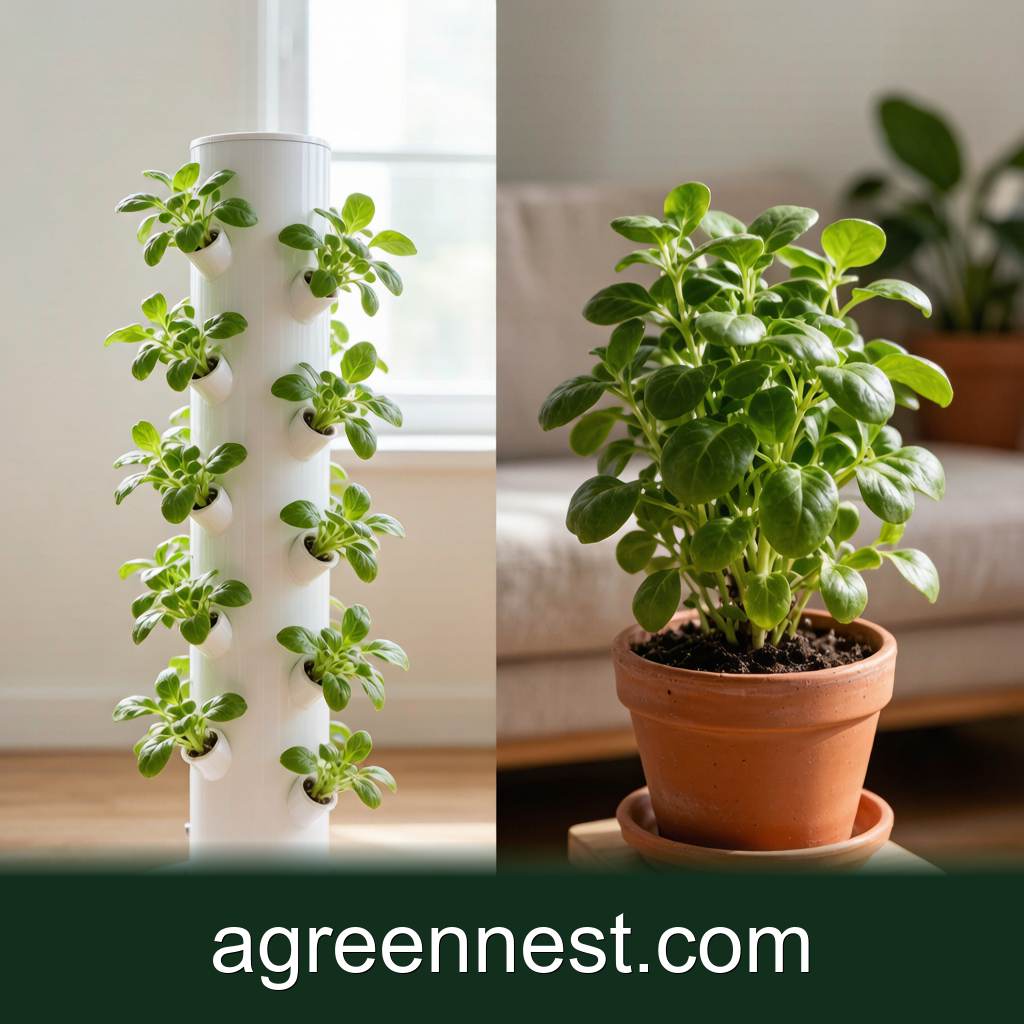
Run Hydroponics vs Soil at steady strength: 1.5-2.0 EC, pH 5.8-6.2, reservoir 18-22 C. Provide 13-16 hours of grow-light or bright supplemental light for 14-16 hours a day. The only common failure is stale solution, so top up daily and swap the reservoir every 7-14 days so roots stay white and active.
The argument over hydroponics and soil usually stays vague until someone puts numbers on the table. I have run both on the same balcony, and the difference is not a matter of opinion. It is a matter of liters, days, and dollars. Here is what the two methods actually deliver for a home grower who wants food, not theory.
How Much Faster Does Hydroponics Grow Crops?
A lettuce seedling in a home deep water culture bucket reaches harvest size in about 30 days. The same Lactuca sativa in garden soil needs 45 to 60 days, and that assumes good weather with no heat wave. The gap comes from roots sitting in oxygenated, perfectly balanced food. The plant spends no energy hunting nutrients, so it channels that effort into leaves instead.
Across many crops the speed advantage lands around 2 to 3 times faster, though it depends on the species you pick. Fast leafies like lettuce, Ocimum basilicum (basil), and arugula show the biggest gain because they are built for quick turnover. Slow, woody crops barely notice the switch and may even resent the extra attention. Our beginner overview covers which plants reward the change and which quietly waste your time.
Light is the silent partner in this comparison. Deep water culture needs 14 to 16 hours of bright light or a strong LED each day, and drop below 12 hours and the speed advantage shrinks toward soil levels.
Water Use: The Ninety Percent Gap
Soil loses water to evaporation, drainage, and competing weeds. A single head of soil-grown lettuce can drink 15 to 20 liters across its life. In a recirculating hydroponic system that same head uses 1 to 2 liters, because almost nothing leaves the loop except what the plant transpires. That is roughly 90 percent less water, and it is the main reason hydroponics thrives in dry regions where every drop counts.
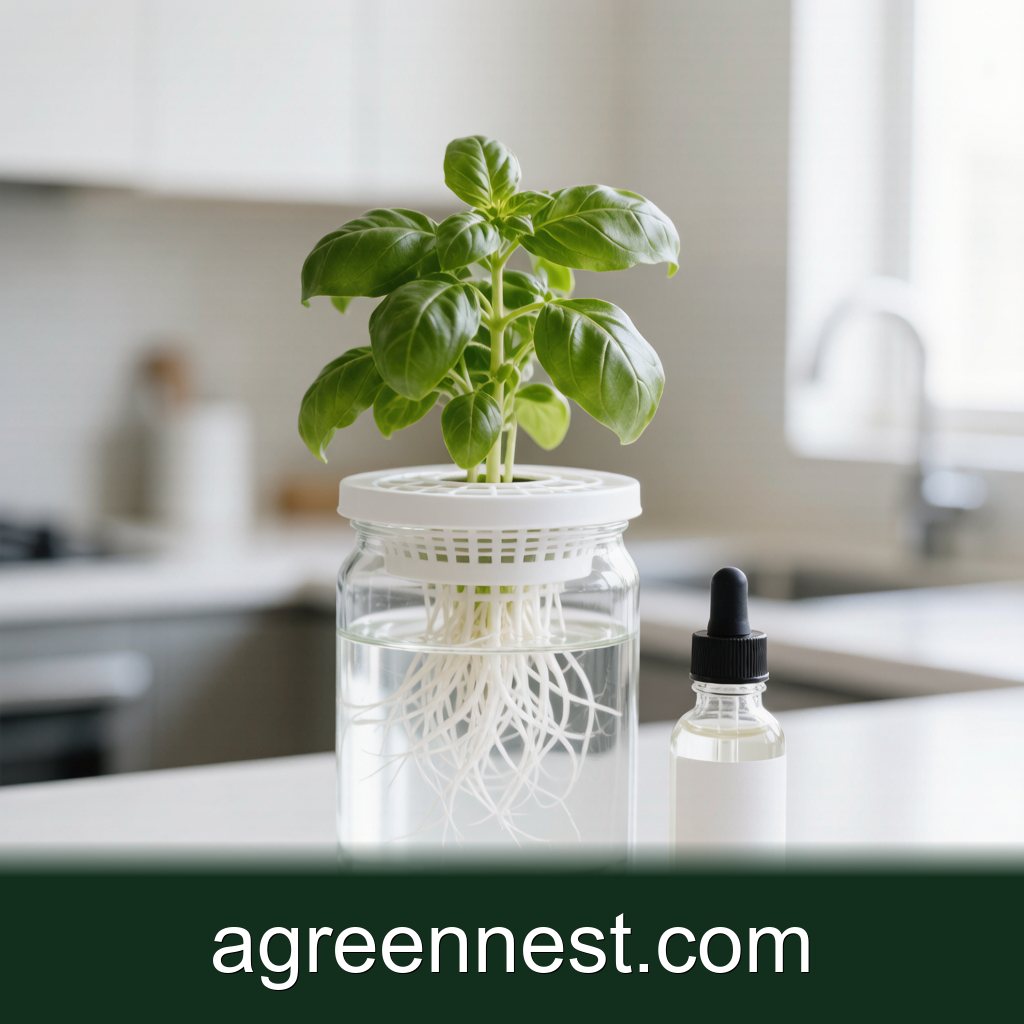
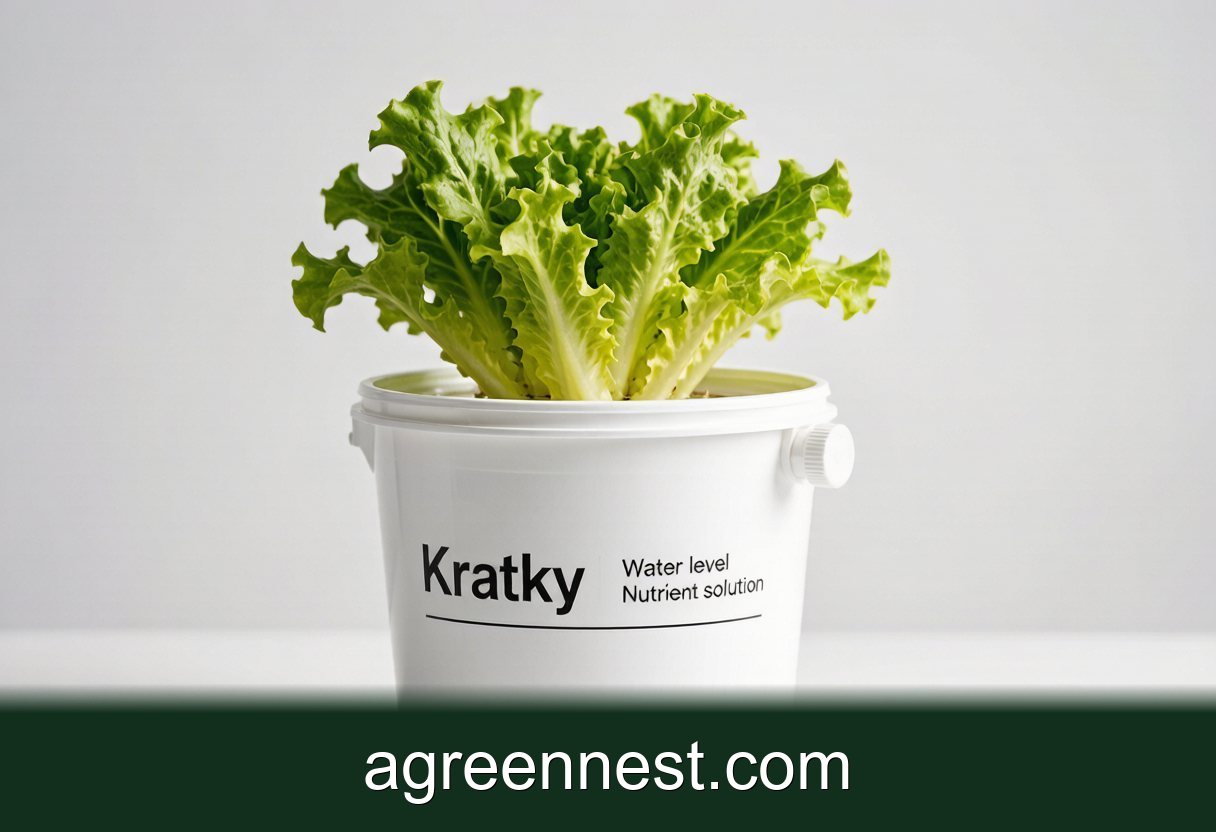
The catch is that hydroponics demands clean water to start, and you still top off the reservoir as the plant drinks. A passive Kratky jar needs no pump and uses the same tiny volume, which is a smart entry point if your goal is water savings over raw speed. Keep the solution between 18 and 22 °C (that is 64 to 72 °F) so roots stay active and algae stays quiet.
What Does Yield Per Square Meter Look Like?
Stacked or tightly spaced hydroponic rows produce more per square meter because every plant gets full light and feed. Indoor lettuce systems commonly return 20 to 40 heads per square meter in a month, where a soil bed might give 8 to 12 in the same period. The number swings with light, and a decent LED fixture is what closes the gap in a basement or spare room.
Most leafy mixes run at 1.5 to 2.0 EC with pH held near 5.8 to 6.2, and that stability is what pushes the per-meter number up. Fruit crops tell a different story. Solanum lycopersicum (tomatoes) and peppers yield more in hydroponics only if you supply strong light and physical support, and the per-plant gain is smaller than with leafies. The math favors greens, not fruit, for most homes with limited space.
Startup Cost: What You Actually Buy
A basic home deep water culture rig runs cheap: a 10 to 20 liter bucket, an air pump, an air stone, a net pot, clay pebbles, nutrients, and a pH kit. Most people spend 30 to 70 dollars for a single bucket and 150 to 300 dollars for a small multi-site system with a light. Soil is nearly free if you already have a patch, though containers, potting mix, and fertilizer add up to 20 to 50 dollars a season.
The real cost of hydroponics is ongoing rather than upfront. Electricity for the pump and light, replacement nutrients, and the time to monitor all add up. Soil costs more in water and labor but fails more gently, which many people prefer.
Failure Modes: What Kills Each Method
Hydroponics fails fast and loudly. A pump dies and roots suffocate within hours. pH crashes and an entire tray yellows in a single day. There is little buffer because the plant lives entirely on what you supply. Soil fails slowly by comparison. A missed watering wilts things, but the ground holds reserves, and most plants recover overnight without drama.
Pests and disease behave differently in each system. Soil breeds fungus gnats and invites root rot during wet spells. Hydroponics stays cleaner at the root but spreads a nutrient imbalance to every plant on the loop at once. Knowing both failure shapes helps you pick the method you can actually maintain on a busy week.
Who Should Pick Which Method?
Choose hydroponics if you want fast harvests, save water, and grow in an apartment with no yard. It suits leafy greens, herbs, and anyone who enjoys tinkering with numbers on a spreadsheet. Choose soil if you have space, want low running cost, and prefer a system that forgives a missed day. Many growers run both: soil for tomatoes and roots, hydroponics for the indoor lettuce they want in winter.
Frequently Asked Questions
Q: Does hydroponics really use 90 percent less water than soil?
A: In recirculating systems, yes. A soil head of lettuce can use 15 to 20 liters while a hydroponic one uses 1 to 2 liters over its life.
Q: Is hydroponic food more nutritious than soil food?
A: Nutrient content tracks the feed solution more than the medium. A well-balanced hydroponic diet grows produce equal in vitamins to soil, though soil can carry more beneficial microbes.
Q: Which crops are not worth growing hydroponically?
A: Large, slow, or deep-rooted plants like carrots, potatoes, and sprawling squash cost more in support and light than they return. Leafy greens and herbs give the clearest win.
The honest verdict is that hydroponics wins on speed, water, and space, while soil wins on cost and forgiveness. Hold your reservoir between 18 and 22 °C (64 to 72 °F), keep pH near 5.8 to 6.2, and swap the solution every 7 to 14 days so roots stay white. Pick the method you can keep steady, and the numbers will follow.
Recommended Tools for Hydroponic Growing Care
Free, no-signup helpers matched to this guide.
Free Ebooks to Explore
Downloadable handbooks — no email required.
Free Ebook
The AGreenNest Succulent Care Handbook
The complete, beginner-to-confident guide to growing fat, happy succulents — 10 chapters and a 20-plant directory.
Free Ebook
Haworthia & Haworthiopsis Care Handbook
A focused guide to the striped, forgiving Haworthia clan.
Sources & further reading
GreenNest authors research and write every guide independently. The external links below are reputable references we recommend for deeper reading — they are not the sources we copied from.
- Michigan State University — Gardening — Michigan State University
- University of Minnesota Extension — U Minnesota Extension
- Aggie Horticulture (Texas A&M) — Texas A&M AgriLife
Share Your Plant Story
Grown something tricky, or found a trick that finally worked? Tell us in the comments, or see what other readers are sharing on our Community page. The best reader tips get folded back into our guides.
Join the Conversation
Have a tip or a question about Hydroponics vs Soil: Real Yield, Water, and Cost Numbers? Share it below — comments are saved on our server.