 AGreenNest
Hydroponic Growing
Preventing Algae (Hydroponics)
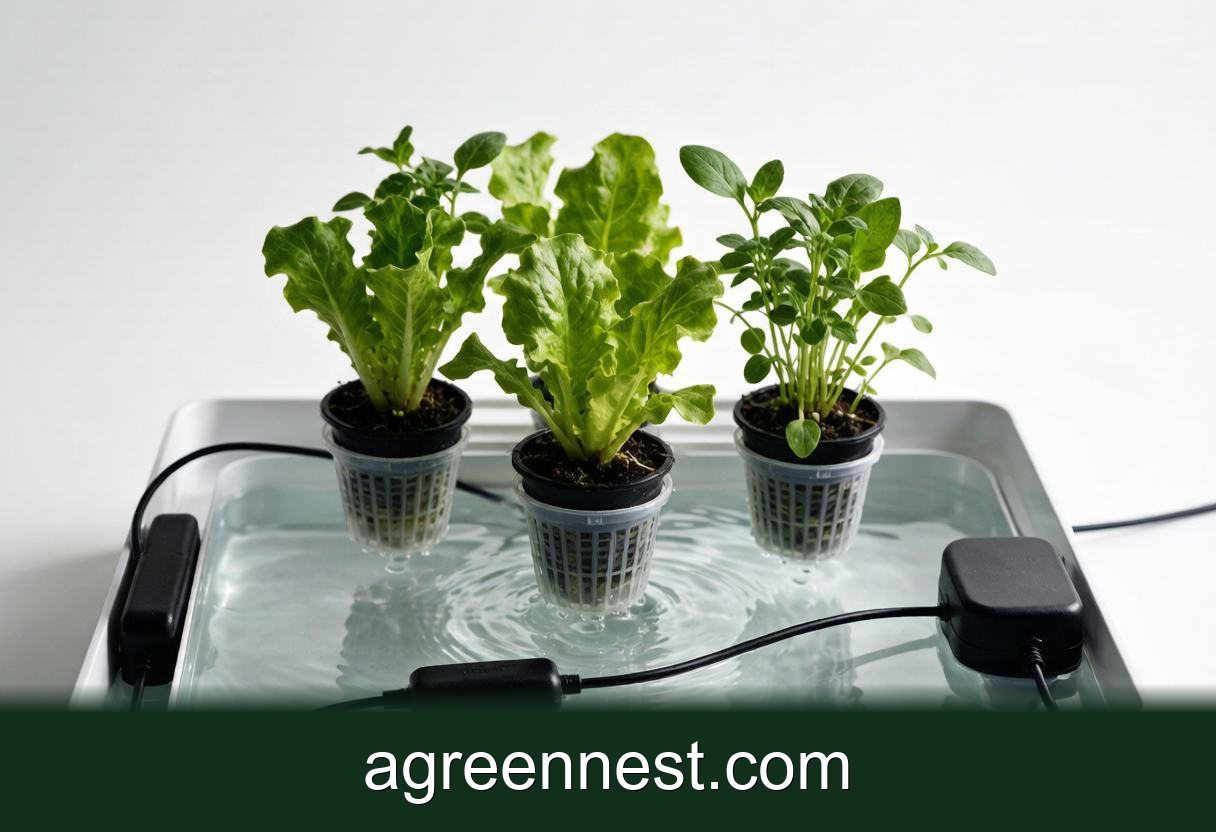
Run Preventing Algae (Hydroponics) at steady strength: 1.5-2.0 EC, pH 5.8-6.2, reservoir 18-22 C. Provide 13-16 hours of grow-light or bright supplemental light for 14-16 hours a day. The only common failure is stale solution, so top up daily and swap the reservoir every 7-14 days so roots stay white and active.
What Causes Algae In A Reservoir?
Algae grow where three things meet: light, water, and nutrients. Your nutrient solution supplies the food, the reservoir supplies the water, and any gap in your lid supplies the light. Green films of Chlorella and stringy mats of Spirogyra appear within days once those conditions line up in the same space.
The reservoir is the usual culprit. Clear plastic totes, open tops, and transparent tubing let light reach the solution. Warm still water makes the problem worse, because heat speeds every cell division. Once a colony starts, it multiplies fast and competes with your plants for the same dissolved food.
Algae also ride in on dirty hands, old pebbles, and untreated top up water. A single contaminated refill can seed a bloom that spreads to every line. Clean tools and covered tanks remove most of that risk before it begins.
Spores drift in on every breeze and live for months on dry surfaces. You will never remove them all, so the real task is to deny them the light and warmth they need to bloom.
Why Is Algae A Problem?
Algae steal dissolved nutrients that your crop should get. A heavy bloom can drop available nitrate by 20 to 30 percent, which slows growth and pales leaves within a week. Worse, damp algae mats host fungus gnats and shore flies, and they clog fine drip emitters that feed the roots.
Rot follows the bloom. Dead algae sink and decompose, which feeds bacteria that attack roots directly. White, firm roots are the goal in any system. Green slime on the root crown or floating on the surface is a clear sign the system needs attention now, not later.
Yields fall quietly. A plant fighting algae for food puts less energy into leaves and fruit, so harvests shrink even when the grower did everything else right. Prevention is cheaper than rescue every time.
A stale tank also smells. A sour or rotten note from the reservoir means anaerobic bacteria have taken hold alongside the algae. That odour is your early alarm, often before roots show brown tips. Act the same day you notice it.
Light, Temperature, and Nutrient Numbers
Block light first, then control the chemistry. Keep the reservoir at 1.5 to 2.0 EC and pH 5.8 to 6.2, the same range your plants prefer. Hold solution temperature at 18 to 22 °C (64 to 72 °F). Cool, dark water slows every algae species and keeps oxygen high for the roots.
Run 14 to 16 hours of light on the plants, but none on the water. A reflective lid over the tank keeps photon energy on the leaves, not the liquid below. Swap the full reservoir every 7 to 14 days so stale solution never lingers. Top up daily with plain water, because a rising salt concentration stresses roots and favours opportunistic growth at the edges.
Aim for total darkness in the tank. Even a 1 cm gap around a net pot lets enough light through to start a film. Seal every opening and check the lid each refill for cracks or warping.
How Do You Keep Algae Out?
Use opaque containers from the start. Black or white food-grade totes block light completely. Wrap clear tubing in foil tape or split loom, and cover every hole with a snug lid or neoprene collar that fits the pipe.
Keep the surface moving. A small air stone adds oxygen and breaks the still layer where algae settle and cling. If a film appears, wipe it out, rinse the lid, and refresh the solution early before it spreads. Beneficial root inoculants can also outcompete algae for resources, though they are a supplement, not a fix for a leaky lid.
Clean between crops. Empty the tank, scrub with a dilute vinegar rinse, and rinse pebbles before reuse. A 3% hydrogen peroxide dip on tools kills spores without leaving residue that harms roots later.
Which Fixes Work Fast?
The fastest win is darkness. Seal the tank and cover the tubing, and most blooms stall within 48 hours. Next, lower the temperature toward 18 °C (64 °F) and reduce any light spill from grow lamps near the reservoir that bounce off white walls.
For an active infestation, drain and scrub the reservoir, then refill with fresh nutrient at 1.5 to 2.0 EC. Crops such as Lactuca sativa (lettuce) and Fragaria (strawberry) rebound quickly once the water clears and roots regain oxygen. Avoid bleach near roots; it lingers and harms the very system you are trying to protect, and it can kill beneficial microbes too.
Repeat the check weekly. Lift the lid, look for colour, and sniff the surface. A five second glance each refill catches a film at the 1 cm stage, when a wipe and a top up solve it. Waiting costs far more effort later.
Frequently Asked Questions
Q: Do I need pumps and timers?
A: Not always. Passive systems like Kratky need none, while active systems (DWC, NFT) do.
Q: Is hydroponic food the same as normal fertiliser?
A: No. Use a proper two-part A/B hydroponic nutrient. Ordinary soil fertiliser will clog lines and unbalance the solution.
Q: Why are my leaves pale?
A: Usually the pH is off, so roots cannot absorb the food. Test and correct to 5.8 to 6.2.
Q: Can I move a soil plant to water?
A: Soft-stemmed types like pothos and lucky bamboo transition easily; most soil root balls do not.
Algae control is mostly hygiene. Keep the water dark, cool, and fresh, and the problem rarely starts. Start small with our hydroponics guide and log every reservoir swap in the care schedule tool. A sealed tank and a steady schedule beat any chemical cure.
Recommended Tools for Hydroponic Growing Care
Free, no-signup helpers matched to this guide.
Free Ebooks to Explore
Downloadable handbooks — no email required.
Free Ebook
The AGreenNest Succulent Care Handbook
The complete, beginner-to-confident guide to growing fat, happy succulents — 10 chapters and a 20-plant directory.
Free Ebook
Haworthia & Haworthiopsis Care Handbook
A focused guide to the striped, forgiving Haworthia clan.
Sources & further reading
GreenNest authors research and write every guide independently. The external links below are reputable references we recommend for deeper reading — they are not the sources we copied from.
- UF/IFAS Gardening Solutions — UF/IFAS
- Oregon State University Extension — Oregon State Extension
- Aggie Horticulture (Texas A&M) — Texas A&M AgriLife
Share Your Plant Story
Grown something tricky, or found a trick that finally worked? Tell us in the comments, or see what other readers are sharing on our Community page. The best reader tips get folded back into our guides.
Join the Conversation
Have a tip or a question about Preventing Algae (Hydroponics)? Share it below — comments are saved on our server.