 AGreenNest
Hydroponic Growing
Best Plants for Hydroponic Beginners
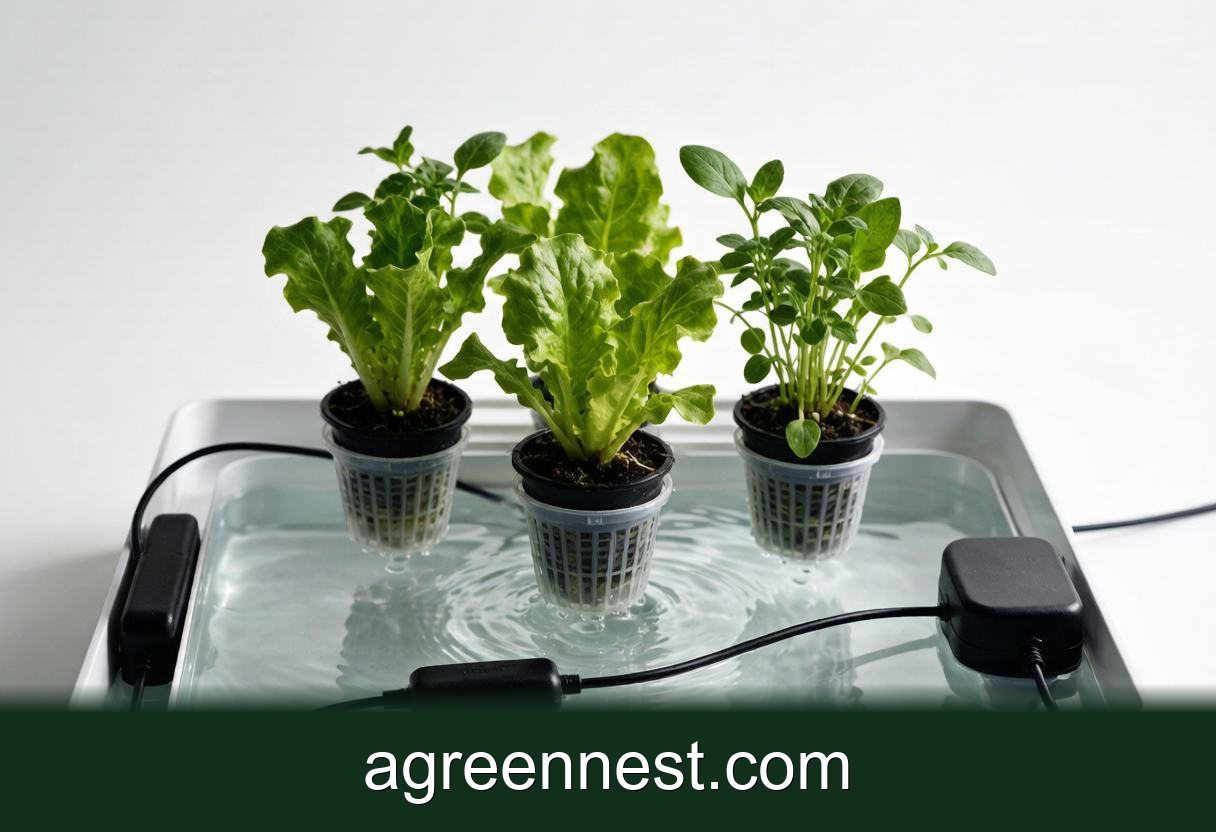
Run Best Plants for Hydroponic Beginners at steady strength: 1.5-2.0 EC, pH 5.8-6.2, reservoir 18-22 C. Provide 13-16 hours of grow-light or bright supplemental light for 14-16 hours a day. The only common failure is stale solution, so top up daily and swap the reservoir every 7-14 days so roots stay white and active.
Leafy Greens Are the Safe First Bet
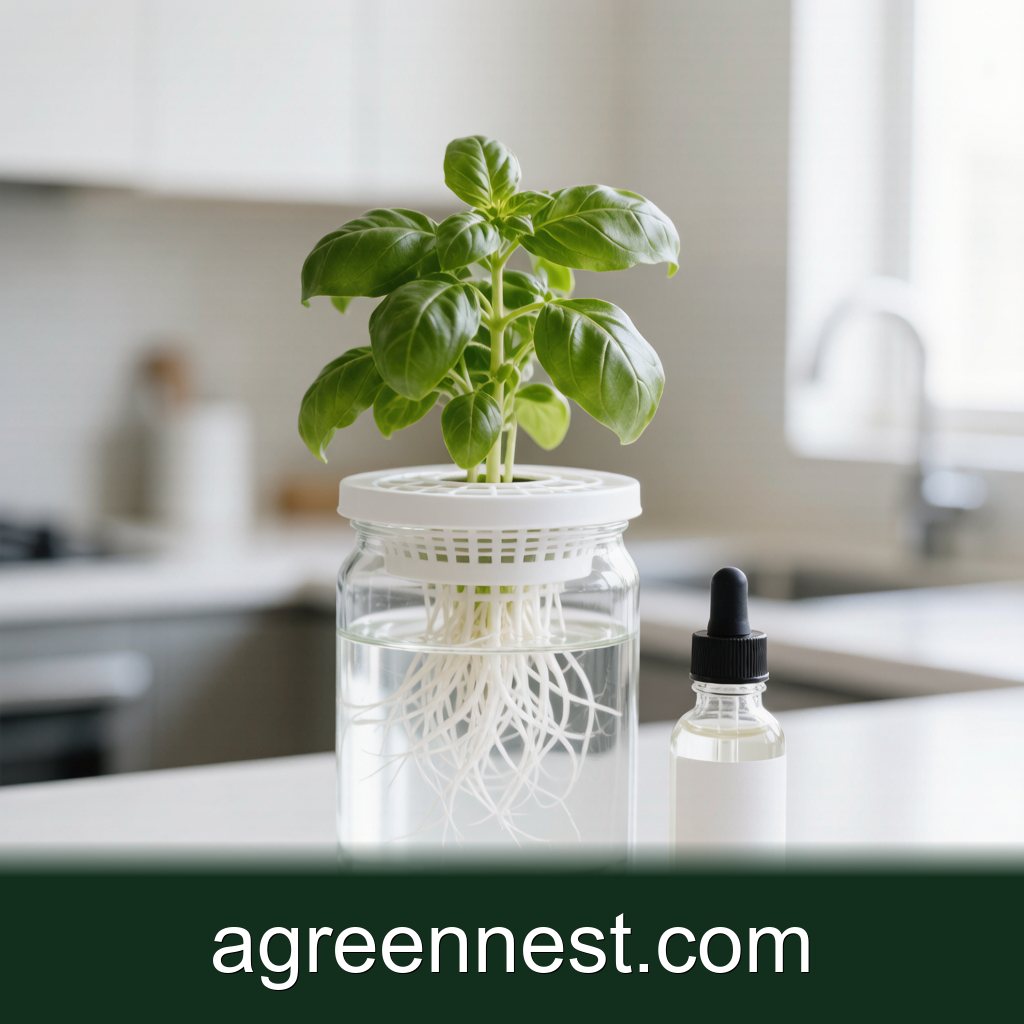
New growers win fastest with lettuce, basil, and spinach because these crops forgive sloppy timing. Lactuca sativa can go from seed to salad in 28 to 35 days under a basic LED. Ocimum basilicum adds scent and yields a trim every two weeks once it fills out.
Start five to seven plants in one small unit rather than one big one. A 10-gallon reservoir at 18 to 22 C (64 to 72 F) feeds a family of leafy greens for a month. Keep the nutrient at 1.5 to 2.0 EC and pH 5.8 to 6.2, then watch the leaves instead of the clock.
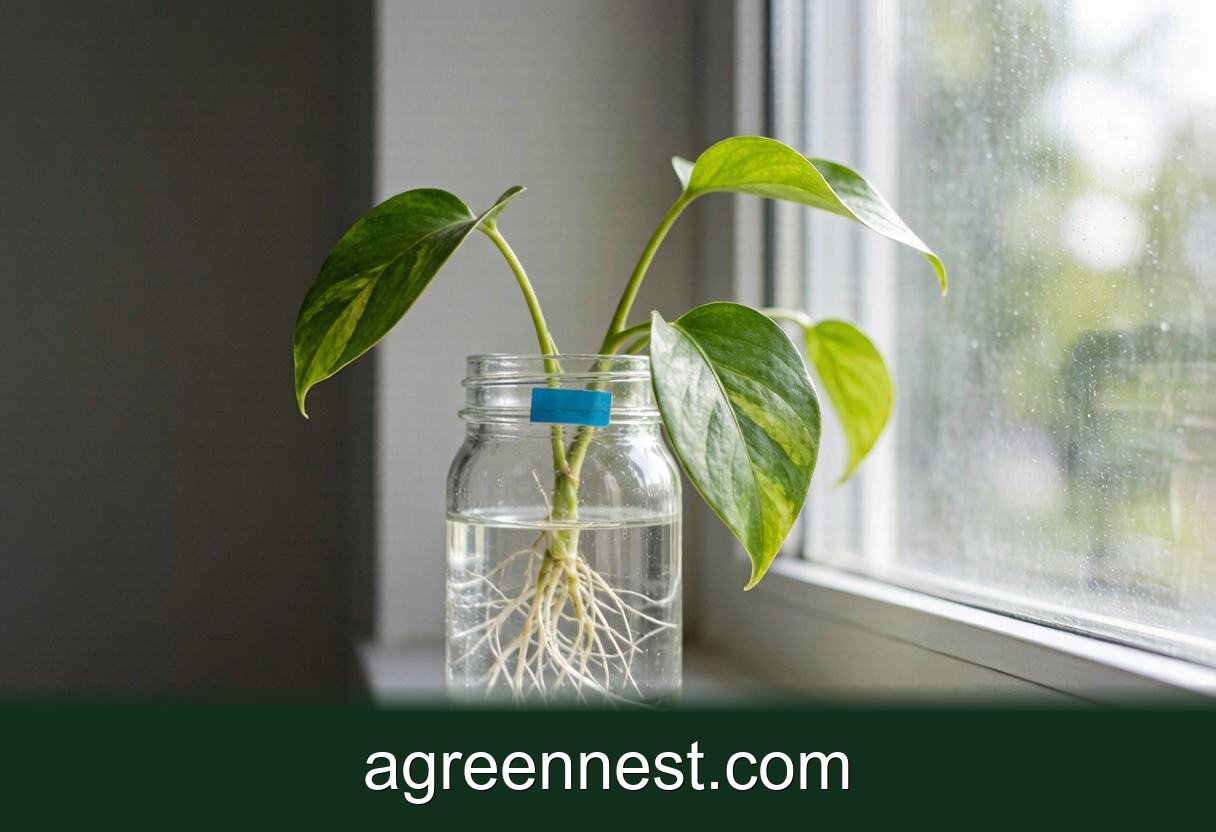
Spinach and kale, Brassica oleracea var. acephala, handle cooler tanks and slower light. Mint, Mentha spicata, grows in any system and tolerates neglect. Decorative picks like Epipremnum aureum (pothos) and Dracaena sanderiana (lucky bamboo) need only plain water and a little light, so they build confidence before food matters.
Budget about 30 to 60 dollars for the first starter kit, not counting the light, and treat the light as the real investment. A used shelf, a tray, and a pump cost less than a single grocery run of herbs.
What Should I Avoid at First?
Skip fruiting crops for now. Tomatoes (Solanum lycopersicum) and peppers (Capsicum annuum) demand 18 to 24 hours of strong light, vertical support, and precise calcium at 180 to 220 ppm. A weak LED simply will not flower them.
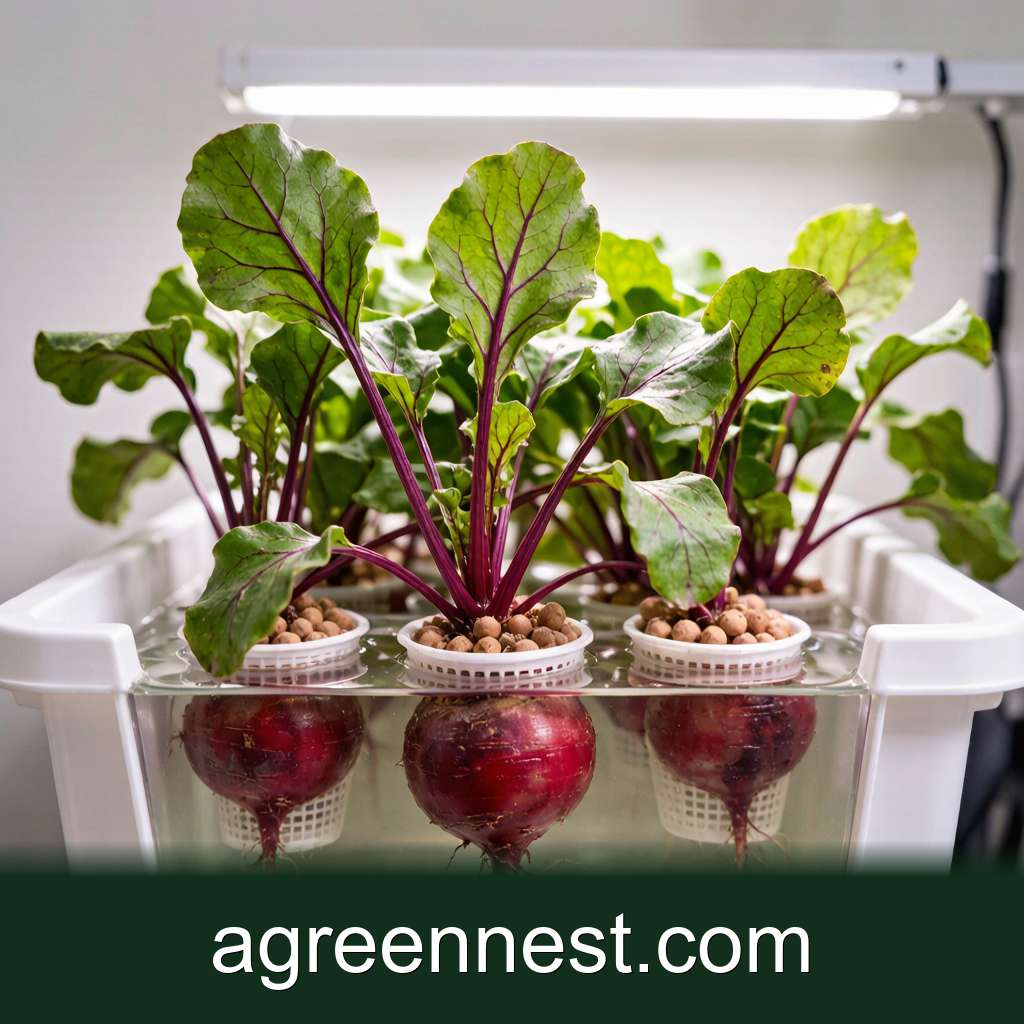
Root crops such as beets and carrots need deep media and steady EC that beginners rarely hold. Save them until you can keep pH within 0.1 of target for two weeks straight. Fruiting plants also attract pests faster, and a first system should stay simple so you learn the routine.
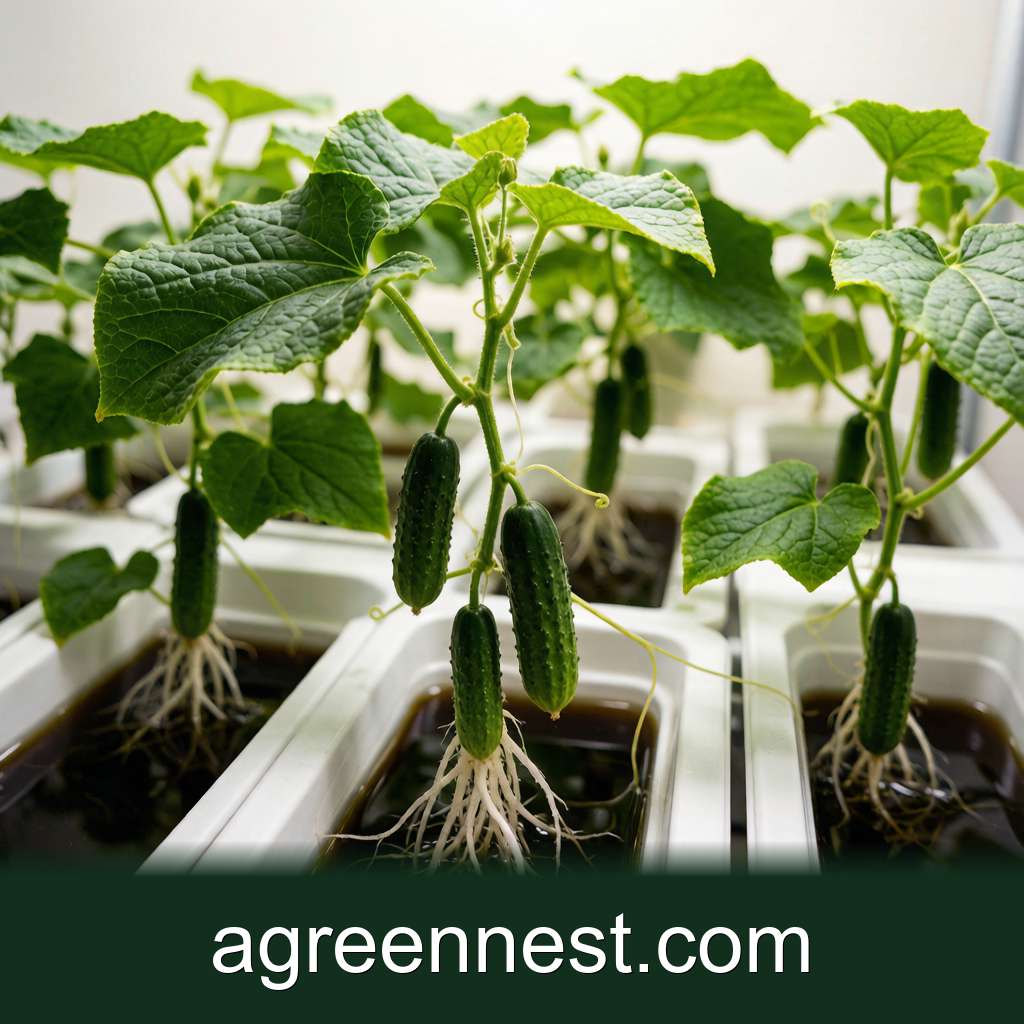
Strawberries tempt beginners but need 12 to 14 hours of cool light and a strict 1.2 to 1.8 EC swing that stresses a new system. Cucumbers drink two gallons per plant each week and demand constant top ups. Both teach hard lessons that leafy greens teach gently.
Why Do Leafy Crops Share One Recipe?
Leafy greens pull the same ratio of nitrogen, potassium, and calcium from the tank. A single A/B mix at 1.5 EC suits lettuce, basil, and spinach together without fighting for resources. Mixing fruiting and leafy crops in one reservoir forces a compromise that starves one side.
Keep your first garden as one tray of similar leaves. The EC drift stays under 0.3 per week, and a single pH correction covers the whole tray. Split crops only after you own a second, separate reservoir.
Fruiting crops want potassium at 250 to 300 ppm during bloom, triple the leafy rate. Pour that strength into a lettuce tray and the greens burn at the tips within days. Separate reservoirs let each crop hit its number without penalty.
How Fast Will I See Results?
Lettuce seedlings show true leaves at day 10 to 12. A full baby leaf cut lands at 21 to 28 days, and mature heads need 35 to 42 days. Basil takes 30 to 40 days to its first trim, while spinach follows at 35 to 45 days.
Pace your sowings one tray every 10 days so harvests overlap. A 20-watt per square foot LED run 14 to 16 hours daily delivers these dates reliably. Miss the light window and every stage slips by a week.
Kale lags spinach by about a week, reaching cut size at 42 to 50 days but surviving heat better. Arugula (Eruca vesicaria) is the sprinter at 18 to 25 days, perfect for impatient first timers. Mix these short cycles to keep the fridge stocked.
Which Herbs Pay Off First?
Basil leads because it tolerates a wide pH band of 5.5 to 6.5 and keeps producing after each cut. Ocimum basilicum 'Genovese' fills a pot in 30 days and pays for the seed within two trims. Mint runs wilder and can crowd a small tray, so grow it in its own container.
Cilantro (Coriandrum sativum) bolts in warmth above 24 C and tastes best cut young at 20 days. Parsley (Petroselinum crispum) is slow, needing 50 to 60 days, so plant it only after the fast crops succeed. Herbs stretch your skills without raising the risk.
What Yield Can I Expect From One Tray?
A standard 1020 tray holds 12 to 16 lettuce slots and yields 1.5 to 2.5 pounds of leaf over a month. Basil in a 6-inch pot gives 0.5 ounces of trim per week once established. Spinach runs 4 to 6 ounces per plant across its season.
These numbers assume 14 to 16 hours of light at 20 to 30 watts per square foot. Drop the light and yields fall by roughly a third. Track weight on harvest day so you learn your unit's true output.
How Do I Keep the First System Clean?
Algae grows on any lit root and steals food, so keep the reservoir lid closed and the tank dark. Wipe the inside with a 10 percent bleach rinse between crops, then rinse twice with plain water. A dark bucket cuts algae by more than half.
Change the solution every 7 to 14 days before salts build past 2.5 EC. Stir the mix for 30 seconds after each top up so the strength stays even. Clean gear is the cheapest insurance a beginner buys.
Frequently Asked Questions
Can I move a soil plant to hydro?
Soft-stemmed types transition; most soil root balls do not survive the wash.
One system for all?
Leafy crops share one nutrient recipe; keep them together and separate the fruiting ones.
How fast do they grow?
Lettuce can be ready in 3 to 5 weeks under a basic light.
Begin with leafy greens for quick wins and a short learning curve. See the full hydroponics guide, then add one new crop each season as your confidence grows. Keep the numbers on a card and the plants will do the rest.
Recommended Tools for Hydroponic Growing Care
Free, no-signup helpers matched to this guide.
Free Ebooks to Explore
Downloadable handbooks — no email required.
Free Ebook
The AGreenNest Succulent Care Handbook
The complete, beginner-to-confident guide to growing fat, happy succulents — 10 chapters and a 20-plant directory.
Free Ebook
Haworthia & Haworthiopsis Care Handbook
A focused guide to the striped, forgiving Haworthia clan.
Sources & further reading
GreenNest authors research and write every guide independently. The external links below are reputable references we recommend for deeper reading — they are not the sources we copied from.
- NC State Extension — Plant Toolbox — NC State Extension
- Michigan State University — Gardening — Michigan State University
- UA Controlled Environment Agriculture Center — U Arizona CEAC
Share Your Plant Story
Grown something tricky, or found a trick that finally worked? Tell us in the comments, or see what other readers are sharing on our Community page. The best reader tips get folded back into our guides.
Join the Conversation
Have a tip or a question about Best Plants for Hydroponic Beginners? Share it below — comments are saved on our server.