 AGreenNest
Succulent Care
Cooper's Haworthia Care Guide (Haworthia cooperi)
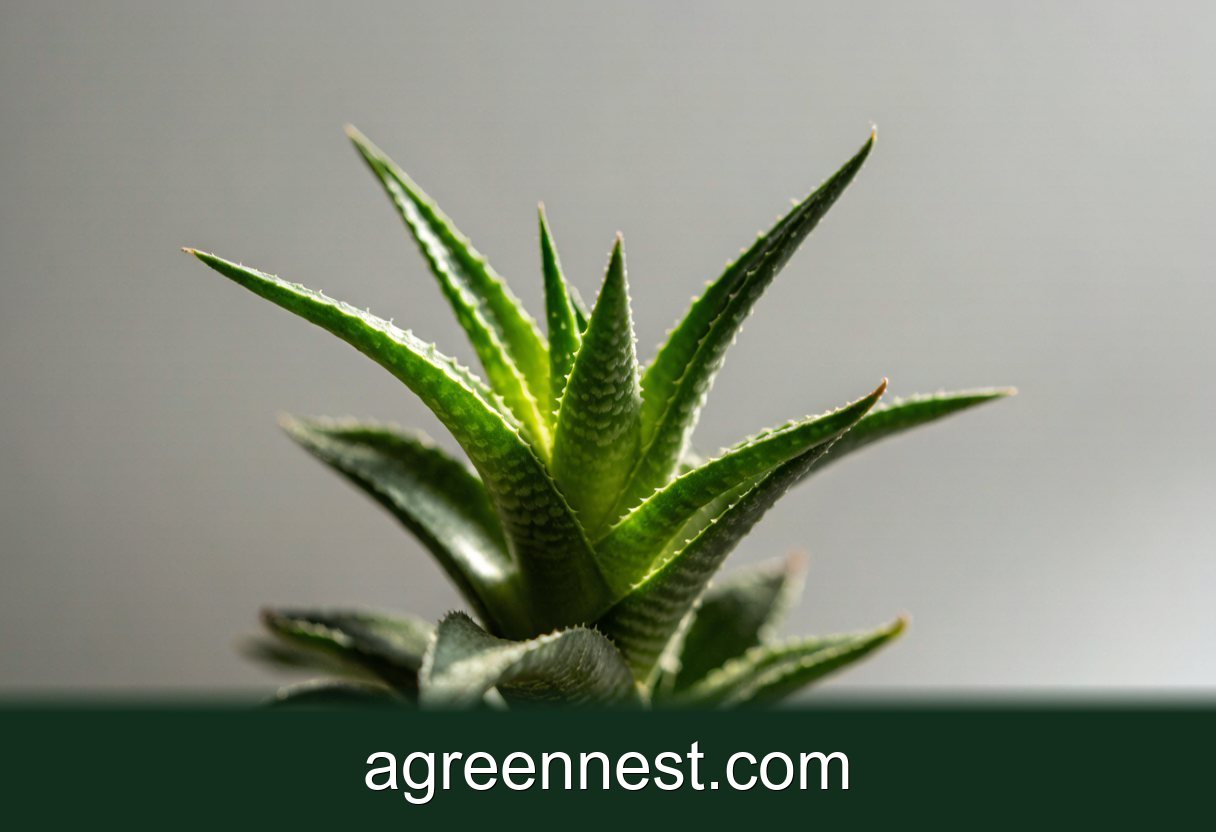
Cooper's Haworthia Care Guide (Haworthia Cooperi) stores moisture in its leaves, so it tolerates some neglect. Give it bright, indirect light and water only when the potting mix has fully dried out (18 days between waterings). Plant it in a gritty, fast-draining mix and a terracotta pot to keep the roots healthy and rot-free.
Cooper's Haworthia at a Glance
| Care factor | What Cooper's Haworthia wants |
|---|---|
| Light | low to bright indirect light, keep it out of hot, direct sun |
| Water | water deeply only when the soil has dried out completely, roughly every 18 days in the growing season, far less in winter |
| Temperature | comfortable between 55 and 85°F (13 and 29°C) |
| Humidity | average home humidity is fine |
| Soil | a gritty, free-draining succulent mix |
| Difficulty | very easy, great for beginners |
| Pet safe | yes, it is generally regarded as pet-safe |
My little Haworthia cooperi sits on the kitchen windowsill where the morning light is gentle. I bought it on a whim at a garden centre sale, and it has outlasted plants I pampered far more. Cooper's Haworthia is a favourite among indoor gardeners because those translucent leaf tips act like tiny windows. They let light reach the inner tissues, so the rosette seems to glow on a soft, bright day.
Why Do the Leaf Tips Look Like Glass?
The clear leaf ends are the plant's clever trick for life in the dappled shade of South African hills. Light passes through the window tips to photosynthesise deeper inside the leaf, which is why a healthy Haworthia cooperi looks almost lit from within. New growers often worry the tips are rotting, but clear does not mean soft. Press one gently between thumb and finger. A firm, plump tip is happy, while a wrinkled, papery tip is asking for water. That single test has saved me from overwatering more times than I can count.
Light Needs
Cooper's Haworthia wants low to bright indirect light, and it must stay out of hot, direct sun. Those clear tips burn fast under a midday beam, turning the rosette an unhappy brown. Mine gets bright indirect light for most of the day and a short spell of early sun that never exceeds two hours. On a north facing sill it stays a deep green and grows slowly, which is perfectly fine. A pale, stretched look means the spot is too dim, while red or brown scorched tips mean it is too bright. Move the pot a foot back from the glass and the colour usually recovers within a month.
What Watering Schedule Actually Works?
Water deeply only when the soil has dried out completely. In the growing season, that means roughly every 18 days in my home, though a shallow terracotta pot in a warm room may need a drink closer to every 14 days. Winter is a different rhythm. From December through February I water perhaps once every 5 to 7 weeks, because the plant rests and uses almost nothing. I rely on a finger pushed two knuckles deep into the mix as my main check, and only water when that depth feels bone dry. The translucent leaves also deflate slightly when thirsty, so a quick look often tells me all I need.
Soil and Pot
Use a gritty, free-draining succulent mix. I make my own with three parts coarse sand, two parts perlite, and two parts standard houseplant compost, which gives a medium that never stays soggy. A pot with a real drainage hole is non negotiable, because sitting in water is the fastest way to lose a Cooper's Haworthia. Terracotta is my first choice since the walls breathe and pull excess moisture from the root zone. I repot only when the rosette crowds the rim, typically every two to three years, and I never size up by more than 2 cm in diameter at a time.
Temperature and Humidity
It is happiest between 55 and 85°F (13 and 29°C). Average home humidity around 40 percent is fine, so a humidifier is unnecessary. I keep mine away from the chilly draught near the back door, where temperatures can fall to 48°F (9°C) on a winter night. Above 90°F (32°C) growth stalls, but the plant shrugs off dry heat better than most succulents. A spot away from heating vents keeps the leaf tips from crisping during a long, hot summer.
How Do You Propagate Cooper's Haworthia?
The easiest method is an offset pup pulled from the base, though a single leaf laid on dry soil also works. In spring I ease a small pup away with a clean knife, let the tiny wound dry for one to two days, then set it on barely moist grit. Roots usually appear within three to five weeks if the spot holds above 65°F (18°C). Leaf cuttings are slower and less reliable, but a fat leaf laid flat on the mix will sometimes sprout a tiny plantlet at its base. Whichever route you choose, resist watering until you see fresh roots, because dampness is what kills young starts.
Common Problems and Fixes
- Leaning or stretched growth means it wants more light. Move it brighter or add a grow light.
- Mushy, yellow base points to overwatering. Let it dry out and check the roots for black, soft spots.
- Brown, crispy tips usually come from too much sun or salt build up. Flush the soil and shift the pot to softer light.
Frequently Asked Questions
Q: How often should I water Cooper's Haworthia?
A: Water deeply only when the soil has dried out completely, roughly every 18 days in the growing season, and far less in winter.
Q: Is Cooper's Haworthia safe for pets?
A: Yes, it is generally regarded as pet-safe, though any plant is best kept out of reach.
Q: Why are the leaves changing colour?
A: A little colour shift with the seasons is normal. Dramatic scorch means too much direct sun, while fading to plain green means it wants more light.
Cooper's Haworthia rewards a little restraint with years of easy beauty. For a personalised schedule, try our free watering calculator and pair it with the light calculator to pick the perfect spot. Tuck it somewhere soft and bright, forget about it for a while, and you will be surprised how content it stays.
Sources & further reading
GreenNest authors research and write every guide independently. The external links below are reputable references we recommend for deeper reading — they are not the sources we copied from.
- Royal Horticultural Society — Houseplant care — RHS
- Cornell Garden-Based Learning — Cornell University
- Aggie Horticulture (Texas A&M) — Texas A&M AgriLife
Recommended Tools for Succulent Care
Free, no-signup helpers matched to this guide.
Free Ebooks to Explore
Downloadable handbooks — no email required.
Free Ebook
Haworthia & Haworthiopsis Care Handbook
A focused guide to the striped, forgiving Haworthia clan.
Free Ebook
The AGreenNest Succulent Care Handbook
The complete, beginner-to-confident guide to growing fat, happy succulents — 10 chapters and a 20-plant directory.
Share Your Plant Story
Grown something tricky, or found a trick that finally worked? Tell us in the comments, or see what other readers are sharing on our Community page. The best reader tips get folded back into our guides.
Join the Conversation
Have a tip or a question about Cooper's Haworthia Care Guide (Haworthia cooperi)? Share it below — comments are saved on our server.