 AGreenNest
Plant Pests & Diseases
Sunburn vs Pest Damage: Telling Them Apart
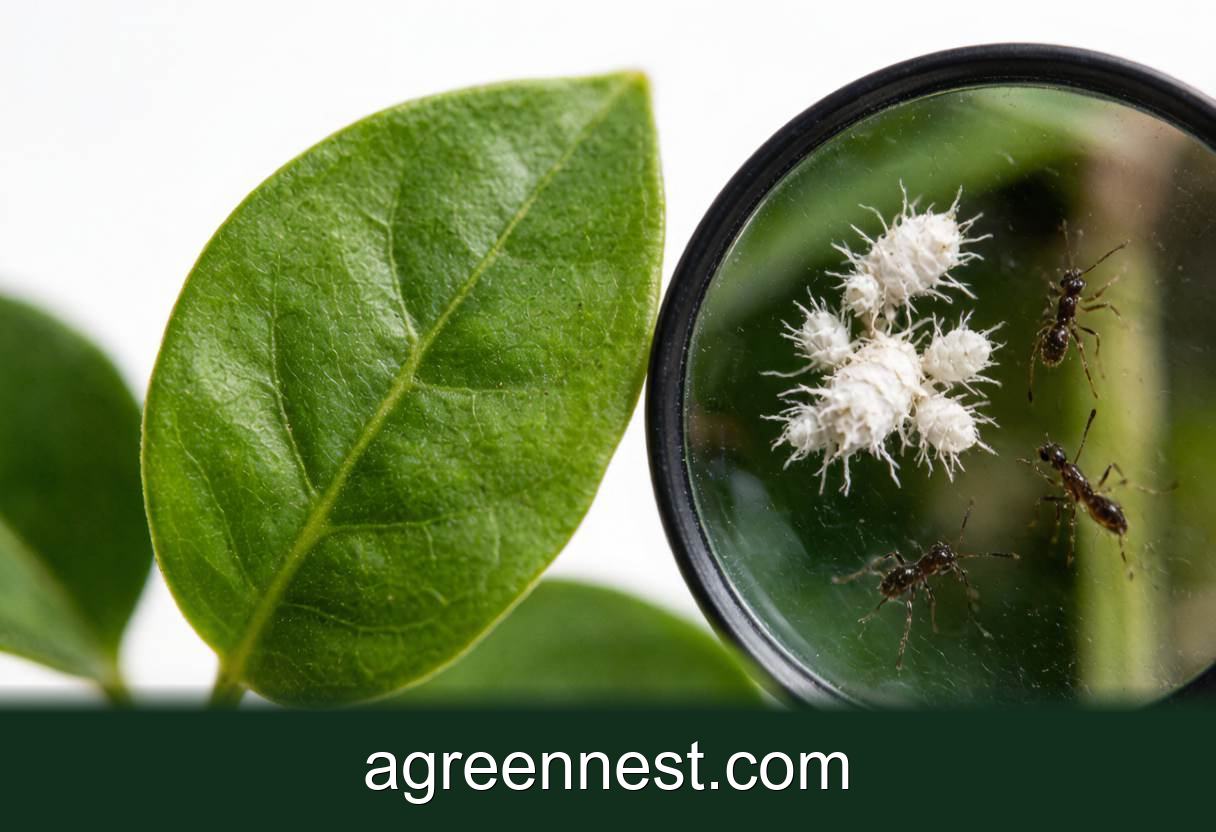
I checked what actually harms Sunburn vs Pest Damage, and it is almost always the common indoor pests. Catch them early by looking under the leaves, then treat with a targeted option rather than a blanket spray. Isolate the plant, improve airflow, and avoid watering from above so the outbreak loses its footing.
Sunburn
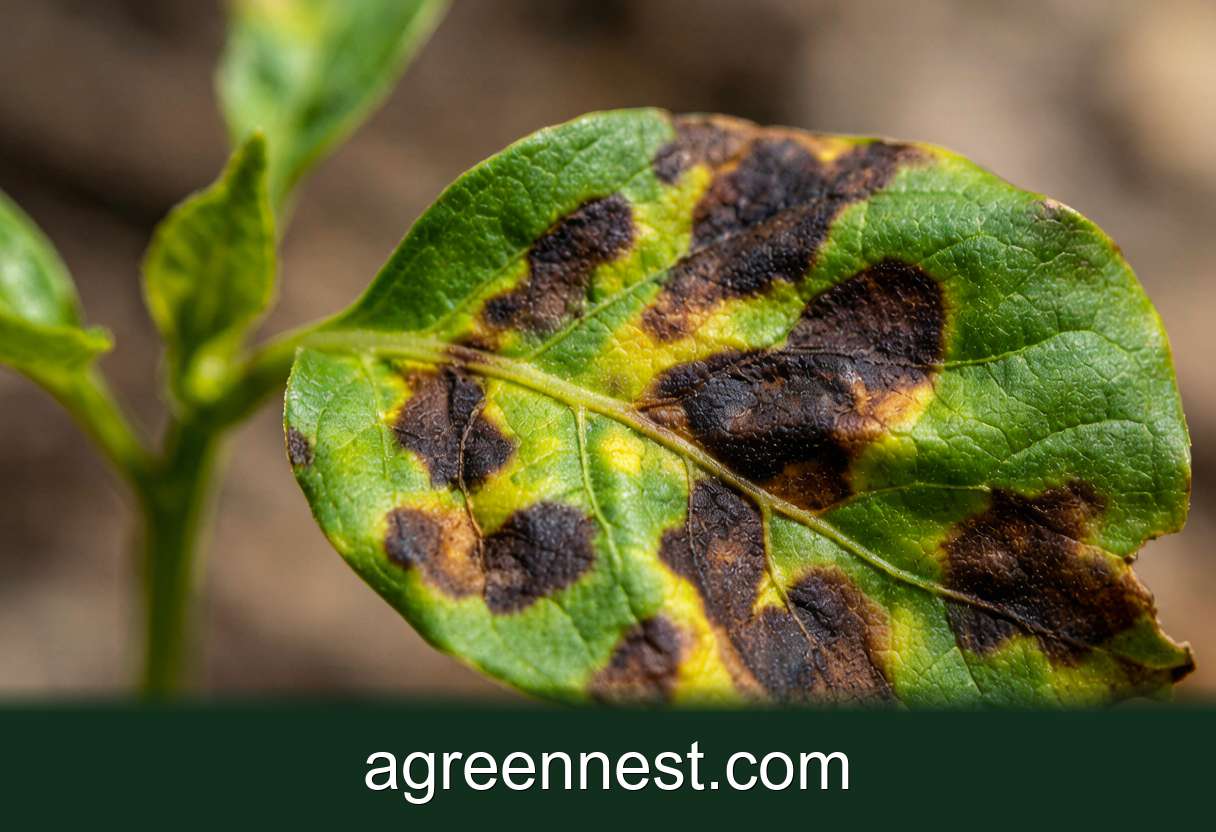
Sunburn shows up as flat, dry patches that look bleached, papery, or crisp at the edges, and it almost always appears on the side of the plant facing the window. Such injury follows a sudden jump in light rather than a slow one. Move a succulent from a winter shelf onto a south sill in July and it will scorch within a few days. Most living rooms sit near 68 to 75°F (20 to 24°C), yet a leaf against the pane can climb past 95°F (35°C) in July sun, which explains why the glass side burns first. According to the NC State Extension plant toolbox, this kind of damage is physical and fixed, so the leaf will not regain its colour and the mark will not spread on its own.
What makes the problem easy to misread is the way patches turn yellow before they turn brown. An Echeveria elegans given too much afternoon light often shows pale, white blotches on its upper leaves first. Those blotches stay put, since they neither crawl nor multiply, and that stillness is the first real clue.
Pest Damage
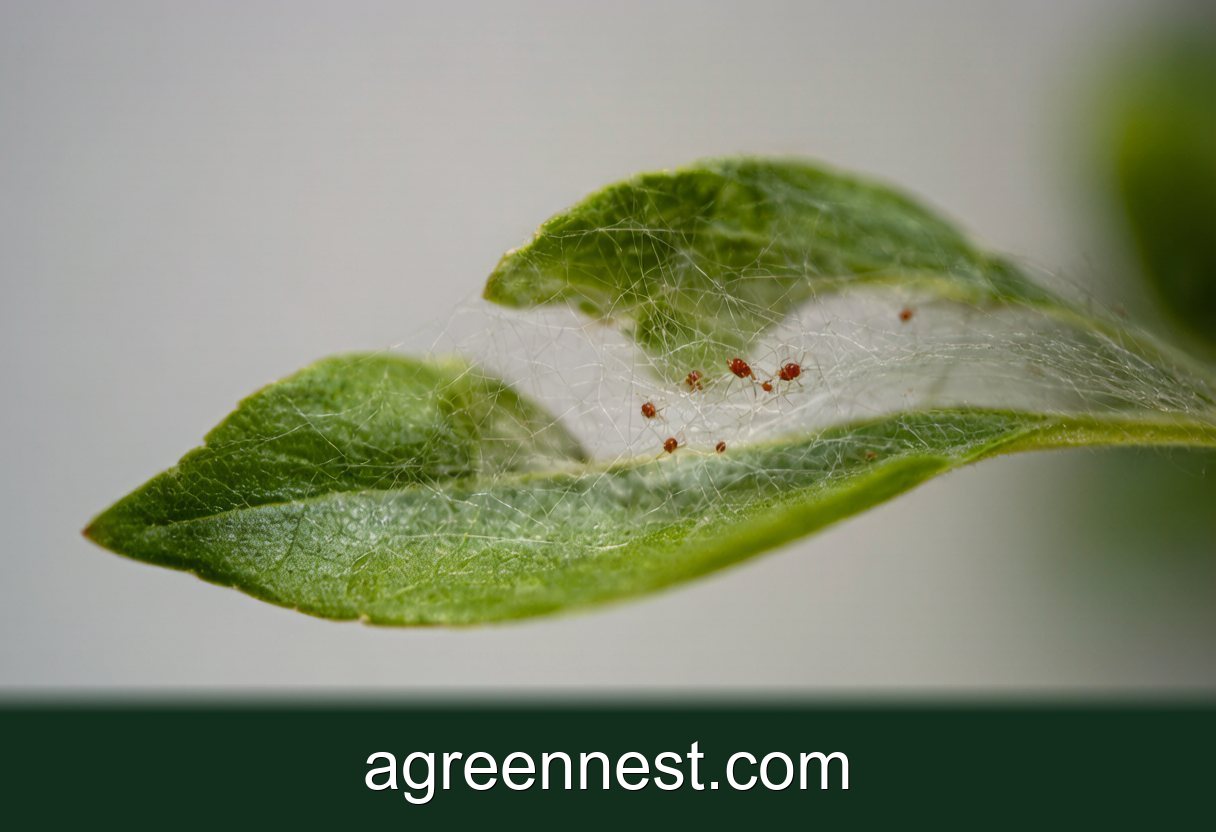
Pest damage behaves the opposite way, beginning small and worsening, usually on leaf undersides where feeders hide. Spider mites leave fine stippling like tiny yellow pinpricks and build thin webbing along the veins. The two spotted spider mite, Tetranychus urticae, thrives in warm, dry indoor air around 70 to 80°F (21 to 27°C) with humidity below 40 percent. Oregon State Extension notes that mite numbers can double in as little as 3 to 5 days under those conditions.
Other culprits leave different signs worth knowing. Soft scale and mealybugs produce sticky honeydew that later turns black with sooty mould, while thrips scar new growth and leave silvery streaks. One thing these problems share is motion, because the injury spreads week to week and you can usually find the insect or its webbing after flipping the leaf to look with a hand lens.
How Do You Tell Them Apart at a Glance?
Start with direction, because sunburn is one sided and tied to the light source, so check which way the plant faced when the marks appeared. Pests are rarely so tidy and they favour sheltered undersides. Watch for a week next: mark the worst leaf with tape and check it every 2 to 3 days. If the patch stays identical, you are seeing sun, whereas new leaves joining in or any sign of movement means pests.
Try a simple isolation step to settle most arguments. Move the suspect to its own shelf away from the others for 10 to 14 days, which costs nothing and stops a real infestation from reaching your other pots. The US EPA safer pest control guidance recommends exactly this separation before any spray, because treating the wrong problem wastes product and stresses the plant.
What Does the Research Say About Early Detection?
Extension literature stays consistent on one theme, which is that early detection changes the outcome. NC State and Oregon State both describe how a quick weekly flip of the leaves catches mites and scale long before they cover a plant. The EPA frames the same idea around least toxic control: when a problem appears early, a targeted wipe or a 1:9 milk to water mix or a dab of insecticidal soap is enough, and you never need a blanket chemical.
Isolating a plant makes inspection easier, and if it proves infested, the neighbours stay safe. Texas A&M and other extension services repeat this pattern across their houseplant pages: look often, separate fast, treat small.
Which Treatment Matches the Cause?
For sunburn, the fix is environmental rather than chemical. Slide the plant back from the glass or hang a sheer curtain, then let healthy tissue carry it forward. Never cut leaves that are only partly burnt, because they still photosynthesise and feed the roots, and trim only what is fully crisp and dead.
For pests, begin with the least disruptive move. Wipe leaves with a damp cloth, then apply a 1:9 milk to water spray or a neem oil solution at about 2 millilitres per litre, repeating every 7 to 10 days for three rounds. Keep air moving with a small fan so mites dislike the conditions. The APS and Oregon State materials agree that steady airflow and dry leaf surfaces do more lasting good than any single spray.
When Should You Worry Most?
Young plants and recent transplants are the most fragile, with few leaves to spare and little root reserve. My Sansevieria trifasciata shrugged off a scorch that would have stalled a seedling, and the difference was simply stored energy. Check seedlings and cuttings twice a week through their first month, and treat the first sign of pests within 48 hours rather than waiting. Most outbreaks that reach the whole shelf began as a single untouched leaf, so those early hours are worth guarding.
Frequently Asked Questions
Q: Can sunburn look like yellowing?
A: Yes, bleached patches often yellow first, and the giveaway is location, since the discolouration sits on the side facing the window.
Q: Should I cut burnt leaves off right away?
A: Only remove leaves that are fully dead, because partly scorched ones still make food for the plant.
Q: Does moving the plant into full shade fix the problem?
A: No, sudden darkness is its own shock, so shift it to bright indirect light and let it adjust over a week.
Reading a damaged leaf correctly is the difference between helping a plant and harming it further. Sunburn asks for a change in position, while pests ask for isolation and a measured response, and the two fixes do not overlap. Spend a minute each week with the leaves turned over, keep new arrivals separated for a fortnight, and you will catch most problems while they are still small. When you are unsure which pattern you are seeing, the pest identifier tool can walk you through the signs step by step.
Recommended Tools for Plant Pests & Diseases Care
Free, no-signup helpers matched to this guide.
🔍 Free Tool
Pest & Problem Identifier
Pick the symptoms you see and get the likely culprit plus a fix.
Free Ebooks to Explore
Downloadable handbooks — no email required.
Free Ebook
The AGreenNest Succulent Care Handbook
The complete, beginner-to-confident guide to growing fat, happy succulents — 10 chapters and a 20-plant directory.
Free Ebook
Haworthia & Haworthiopsis Care Handbook
A focused guide to the striped, forgiving Haworthia clan.
Sources & further reading
GreenNest authors research and write every guide independently. The external links below are reputable references we recommend for deeper reading — they are not the sources we copied from.
- NC State Extension — Plant Toolbox — NC State Extension
- US EPA — Safer Pest Control — US EPA
- Oregon State University Extension — Oregon State Extension
Share Your Plant Story
Grown something tricky, or found a trick that finally worked? Tell us in the comments, or see what other readers are sharing on our Community page. The best reader tips get folded back into our guides.
Join the Conversation
Have a tip or a question about Sunburn vs Pest Damage: Telling Them Apart? Share it below — comments are saved on our server.