 AGreenNest
Succulent Care
Elephant Bush Care: Grow a Healthy Portulacaria afra
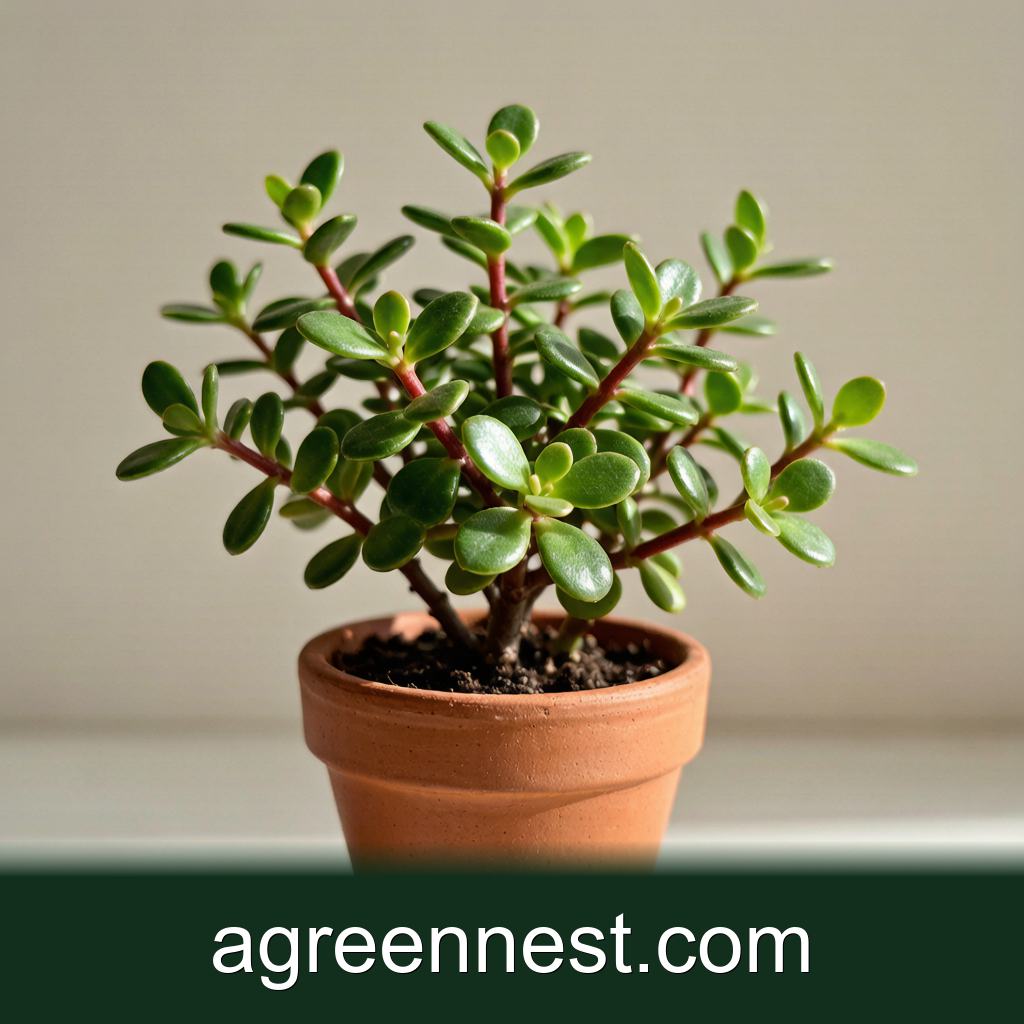
The secret to a happy Elephant Bush is restraint. Place it in bright, indirect light, then wait until the soil is bone dry before watering (14 days between waterings). Use a lean, sandy soil and a porous pot so excess moisture escapes fast and rot never gets started.
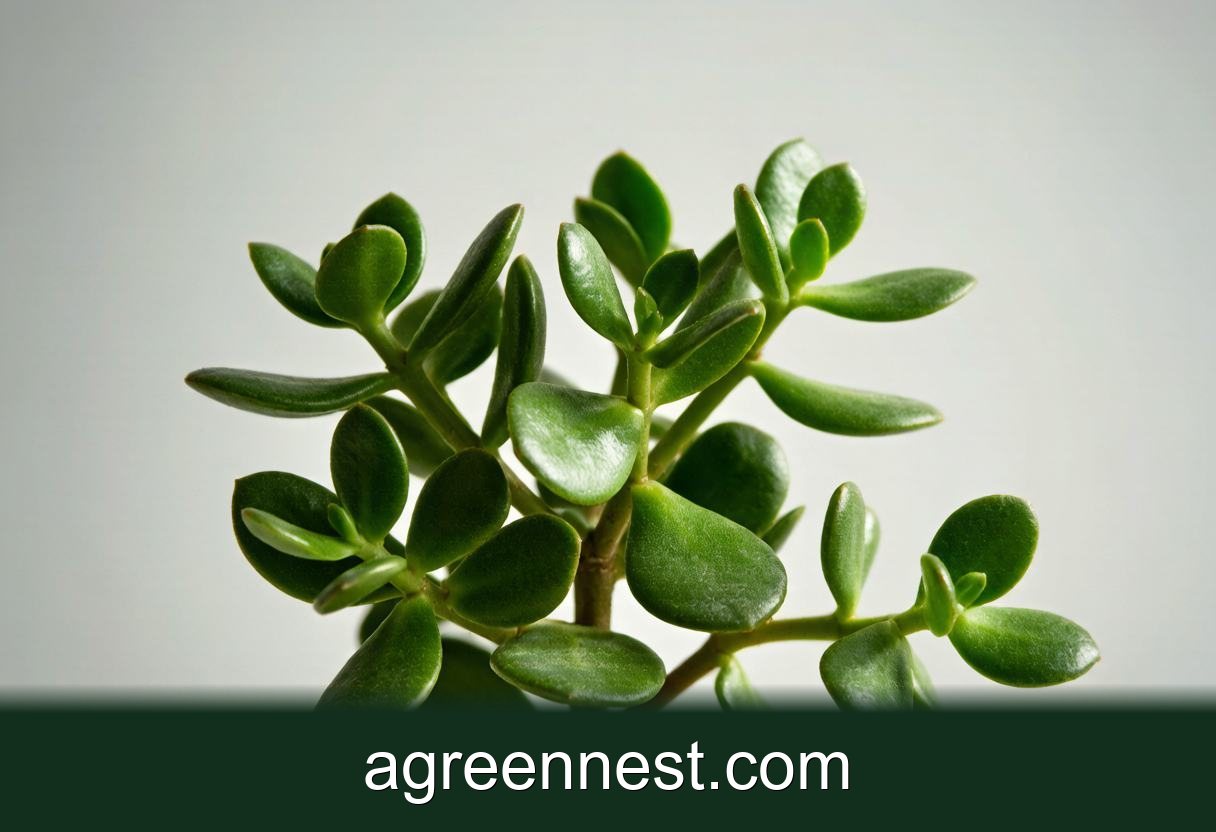
The first Portulacaria afra I brought home spent two years mislabeled as a "mini jade plant" at the nursery. At a glance the two look alike, with round, fleshy leaves and woody stems, but they sit in different families. Portulacaria belongs to Didiereaceae, while true jade is Crassula ovata in Crassulaceae. That difference matters, because elephant bush grows faster, branches more freely, and tolerates more water than jade. Since then I have learned to read its leaves like a barometer, and the payoff is a small tree that asks almost nothing of me.
Light: Bright Sun Builds a Bushy Plant
Elephant bush wants bright light to stay compact. In my experience it keeps its tight shape with 4 to 7 hours of direct or very bright indirect sun each day. South or west windows work well indoors. Outdoors, it takes full sun across most of the year in mild climates.
Too little light makes the stems stretch toward the window, a process called etiolation. Leaf pairs widen their spacing and the leaves shrink to small pads rather than the usual 1.5 to 2.5 cm. Move the plant into stronger light and new growth tightens up, though the stretched section will not shorten back. My first specimen recovered its shape within a single growing season after I moved it.
Through winter, a dim home needs help. My grow light on a timer running 12 to 14 hours keeps the form tight. From November to February I use that approach when the sun sits low and the days shorten. Morning light is gentler, so an east window is a safe second choice if south-facing glass is scarce.
Watering: Soak, Then Let the Soil Dry
This is a drought-tolerant plant, but not a camel. Water thoroughly until liquid runs from the drainage hole, then wait. In active summer growth I water roughly every 7 to 14 days, checking first that the top 5 cm of soil feels dry. That watering rhythm built around dry soil prevents the rot that kills most specimens.
In winter, when growth slows and temperatures drop, stretch that to every 3 to 4 weeks. The leaves tell the truth: a well-hydrated elephant bush has plump, firm leaves, while a thirsty one shows slight vertical wrinkling along the pads. I wait for that wrinkle before reaching for the can. On holiday last spring I left mine unwatered for three weeks and returned to a plant that looked untouched.
What Soil Mix Does Elephant Bush Need?
Start with a gritty, fast-draining mix that is non-negotiable for this succulent. My blend uses 1 part organic cactus soil to 2 parts inorganic grit such as pumice, coarse sand, or crushed granite. Behind every good mix is the same principle shared by the best bagged and DIY succulent mixes, and our gritty soil recipe scales it for any pot size.
Temperature is the other half of the equation. Portulacaria afra is happy from about 10°C to 35°C (50°F to 95°F) and grows year-round in warm rooms. It is frost tender, though. Below 5°C (41°F) the stems blacken and collapse, so bring outdoor plants in before the first cold night. Terracotta helps by wicking excess moisture from the root zone during cool spells. I repot every two years in early spring, never in the cold months when roots sit damp.
How Can I Propagate Elephant Bush?
Few succulents root as readily as this one. Take an 8 to 12 cm stem tip with clean scissors, strip the lower leaves, and lay it on a dry surface for about a day so the cut end forms a skin. Skip this step and the wet cut can rot before it roots.
Set the cutting on gritty soil and mist lightly every few days. Roots usually appear in 2 to 3 weeks, sometimes faster in warm weather above 20°C. Unlike many fleshy succulents, elephant bush roots from stems far more reliably than from single leaves, which is why our leaf propagation guide lists it as a stem-first candidate. One cutting I rooted now stands 30 cm tall and branches like the parent.
The Real Killer: Cold and Wet Together
If an elephant bush fails, overwatering paired with low temperature is almost always why. The plant stores water in its leaves and stems, so soggy soil at 10°C or below lets fungal rot move from the roots up the woody base. The first sign is usually a soft, dark patch at the soil line. I lost my first specimen this way, so the lesson cost me a plant I liked.
Catch it early and you can still save the top: cut above the rot, let the healthy piece callous, and re-root it in dry soil. Most people make the mistake of watering on a fixed schedule instead of responding to soil and season.
Frequently Asked Questions
Q: Why are the leaves on my Portulacaria afra shrinking and spacing out?
A: Stretched, small leaves mean etiolation from too little light. Give 4 to 7 hours of bright sun or a grow light; new growth will tighten, but the old stretched part stays leggy.
Q: Can elephant bush survive a cold winter on a sheltered patio?
A: Only above 5°C. Below that the stems blacken and die back. Bring it indoors before frost and keep watering to every 3 to 4 weeks while it rests.
Q: How is Portulacaria afra different from a jade plant if they look alike?
A: They are different families. Portulacaria afra (Didiereaceae) branches faster, takes more water, and has smaller, softer leaves than Crassula ovata (Crassulaceae).
Elephant bush rewards a light touch with water and a bright windowsill, and it makes a fine first tree-shaped succulent once you respect its cold sensitivity. For a side-by-side on the lookalike, read our jade plant care guide and see where the two diverge.
Recommended Tools for Succulent Care
Free, no-signup helpers matched to this guide.
Free Ebooks to Explore
Downloadable handbooks — no email required.
Free Ebook
The AGreenNest Succulent Care Handbook
The complete, beginner-to-confident guide to growing fat, happy succulents — 10 chapters and a 20-plant directory.
Free Ebook
Haworthia & Haworthiopsis Care Handbook
A focused guide to the striped, forgiving Haworthia clan.
Sources & further reading
GreenNest authors research and write every guide independently. The external links below are reputable references we recommend for deeper reading — they are not the sources we copied from.
- NC State Extension — Plant Toolbox — NC State Extension
- Clemson Home & Garden Information Center — Clemson Extension
- Royal Botanic Gardens, Kew — Kew Gardens
Share Your Plant Story
Grown something tricky, or found a trick that finally worked? Tell us in the comments, or see what other readers are sharing on our Community page. The best reader tips get folded back into our guides.
Join the Conversation
Have a tip or a question about Elephant Bush Care: Grow a Healthy Portulacaria afra? Share it below — comments are saved on our server.