 AGreenNest
Low-Light Indoor Plants
Button Fern Care Guide (Pellaea rotundifolia)
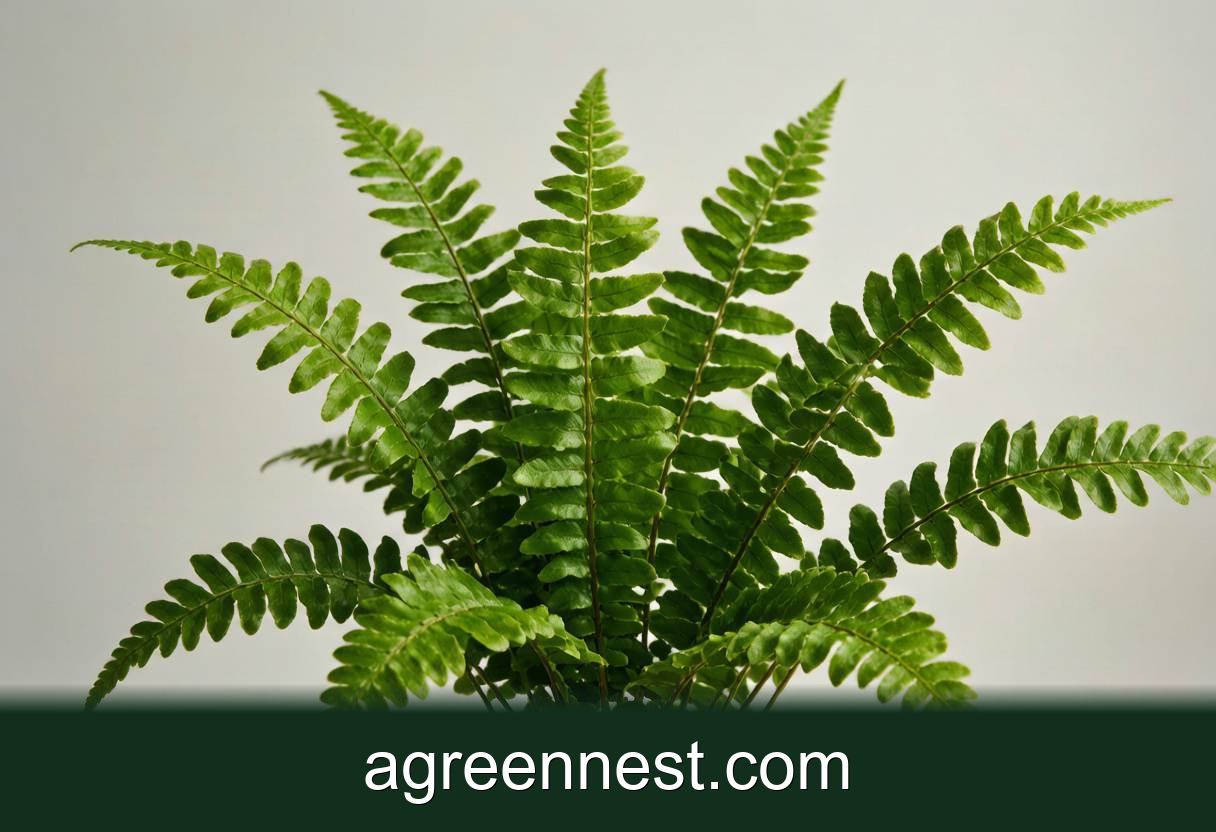
Do not overthink Button Fern Care Guide (Pellaea Rotundifolia). It thrives in bright, indirect light and asks for little: water when the top layer of soil dries (10 days between waterings), and keep it away from harsh midday sun. A slightly lean soil and a stable, warm spot are all it needs to look good through the year.
Button Fern at a Glance
| Care factor | What this plant wants |
|---|---|
| Light | low to bright indirect light, no hot direct sun |
| Water | a soak when the top inch dries, about every 10 days in summer |
| Temperature | from 55 to 80°F (13 to 27°C) |
| Humidity | steady moisture in the air helps |
| Soil | a slightly lean, well drained mix |
| Difficulty | straightforward for beginners |
| Pet safe | yes, non-toxic to cats and dogs |
I fell for a Pellaea rotundifolia at a garden sale because the little round buttons on wiry black stems looked nothing like the fussy ferns I had killed before. Button Fern turned out to be the gentlest teacher. Those glossy, coin shaped leaves ride on slender stems and shrug off the drama that surrounds most ferns. A stable, warm corner and a watchful watering can keep it handsome through every season.
Why Is Button Fern Easier Than a Boston Fern?
The Boston fern drops leaves the moment the air turns dry, while this species tolerates normal rooms without a humidifier. Its smaller, thicker leaves lose water more slowly, which buys you time between waterings. My Boston fern needed daily misting and still crisped; the button fern sits two feet away and asks for a drink every 10 days. Beginners do far better with this plant because the margin for error is wider. If you have struggled with ferns before, start here and build confidence.
Light and the Shade It Likes
Button Fern wants low to bright indirect light and hates hot, direct sun. A north window or a spot three feet from an east window suits it well. I keep mine on a shelf that catches soft morning light but escapes the harsh afternoon. Too much sun bleaches the buttons pale and makes the edges curl. During the short days of December, I shift it nearer the glass and run a 30 watt grow light for 8 hours to keep growth steady. Most homes can meet its light need without special gear.
How Often Should I Water a Button Fern?
Water when the top inch of soil feels dry, which is about every 10 days in the growing season. Winter slows the plant, so I stretch the gap to around 14 days. I pour until water leaves the drainage hole, then empty the saucer after 15 minutes so the roots never sit wet. Rainwater or filtered water suits it better than hard tap water, which can leave white marks on the soil. A steady rhythm matters more than a fixed calendar date, so I always touch the soil before reaching for the can.
Soil, Pots, and Steady Moisture
A slightly lean houseplant mix works, and I add one part fine grit to four parts soil for gentle drainage. The pot needs a drainage hole, though this fern likes the mix to stay lightly damp rather than dry. A 5 inch pot holds a young plant for a year, and I step up to 7 inches in spring once roots fill the base. Plastic retains moisture a touch better than terracotta here, which suits a fern that dislikes drying out completely.
Temperature and Humidity
Comfortable room temperatures from 55 to 80°F (13 to 27°C) keep this fern content. I aim for 45% humidity or higher, and a pebble tray with half an inch of water beneath the pot lifts the local air. Grouping it with a calathea and a fittonia builds a small humid pocket that all three share. Dry winter heating is the main risk, so I run a humidifier for an hour each evening from November to March. Brown tips usually mean the air is too dry, not that the plant is thirsty.
How Do I Propagate Button Fern?
Division at repotting is the dependable method. I slide the plant from its pot in April, tease the root ball apart, and split off a section with at least four stems and healthy roots. Let the cut ends dry for a day, then replant and keep the mix just damp until new fronds emerge. Roots typically appear in 2 to 3 weeks under warm conditions. Spores are an option for the patient, but division gives you a full plant in a single season.
Common Problems and Quiet Fixes
Leaning or stretched growth means the plant wants more light. Move it brighter or add a grow light, and new stems will stand firmer. A mushy, yellow base points to overwatering. Let the soil dry and check the roots, trimming any that feel soft and dark. Brown, crispy edges usually come from dry air or fertiliser salt build up, so I flush the pot with two litres of plain water every two months. A half strength 10-10-10 feed once a month from May to August keeps the buttons glossy.
Frequently Asked Questions
How often should I water Button Fern?
A soak when the top inch dries, about every 10 days in summer and roughly every 14 days in winter.
Is Button Fern safe for pets?
Yes. It is non-toxic to cats and dogs, so it is safe in a home with curious animals.
What light is best for this plant?
Low to bright indirect light. Keep it out of hot, direct sun, which bleaches the leaves.
Button Fern proves that ferns need not be difficult, and its tidy round leaves bring a calm green note to any shelf. Give it indirect light, a drink when the soil dries, and a little humidity, and it will stay button bright for years. For a schedule tuned to your home, try our free watering calculator and pair it with the light calculator to find the perfect spot.
Recommended Tools for Low-Light Indoor Plants Care
Free, no-signup helpers matched to this guide.
Free Ebooks to Explore
Downloadable handbooks — no email required.
Sources & further reading
GreenNest authors research and write every guide independently. The external links below are reputable references we recommend for deeper reading — they are not the sources we copied from.
- Missouri Botanical Garden — Missouri Botanical Garden
- Clemson Home & Garden Information Center — Clemson Extension
- Cornell Garden-Based Learning — Cornell University
Share Your Plant Story
Grown something tricky, or found a trick that finally worked? Tell us in the comments, or see what other readers are sharing on our Community page. The best reader tips get folded back into our guides.
Join the Conversation
Have a tip or a question about Button Fern Care Guide (Pellaea rotundifolia)? Share it below — comments are saved on our server.