 AGreenNest
Plant Pests & Diseases
How to Deal With Sunburn
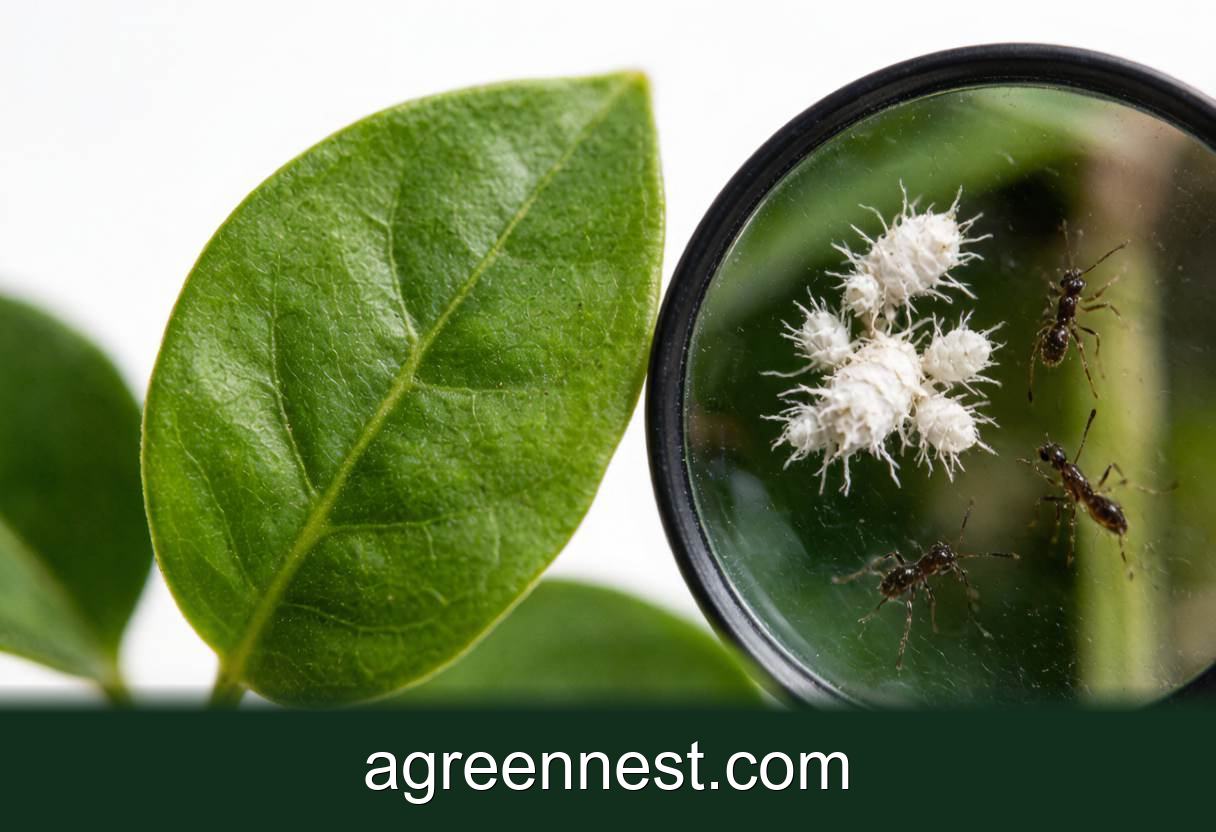
I checked what actually harms How to Deal with Sunburn, and it is almost always the common indoor pests. Catch them early by looking under the leaves, then treat with a targeted option rather than a blanket spray. Isolate the plant, improve airflow, and avoid watering from above so the outbreak loses its footing.
What Sunburn Looks Like
The damage shows up as bleached white or papery brown patches, and it almost always appears on the side of the plant facing the window. Monstera deliciosa and Ficus lyrata are two common houseplants that scorch this way when light levels jump too fast. The tissue turns pale first, then tan, and finally dry and crisp at the edges. Unlike a pest problem, there is no webbing, no spotting that moves, and no tiny insects on the undersides. Cornell Garden-Based Learning describes the injury as a physical burn of the leaf surface, not an infection. Affected leaves often feel thinner and more brittle than healthy ones when you touch them.
The pattern is the real clue. Because the sun comes from one direction, the burn lands on the exposed face while the shaded side stays green. You will rarely see sunburn on the lower or inner leaves first. Texas A&M notes that the most severe cases follow a sudden relocation, such as moving a plant from a dim corner straight onto a hot south facing sill in early summer.
Not every pale leaf is sunburn, so rule out a few mimics first. Nutrient deficiency usually yellows older leaves evenly from the base, not in a scorched patch on one lit face. Cold drafts brown the edges all the way around, while sunburn stays on the window side. Texas A&M advises comparing the damage pattern to the light path before you change care, because treating the wrong problem only wastes time.
Why Does This Happen?
Sunburn is environmental, not a living pathogen, so no mite or fungus is involved. The cause is a sudden jump in light intensity and heat that the leaf cannot adjust to. Plant leaves build a protective layer of wax and pigment only gradually, a process called acclimation, and a fast move skips that step. On a bright day the leaf surface can climb above 100°F / 38°C even when the room feels mild. That heat, combined with direct rays through glass, kills the surface cells outright. The American Phytopathological Society classifies this as abiotic injury, which means sprays and pesticides cannot fix it.
Glass magnifies the problem in ways people miss. A window pane can focus and trap heat, so a plant 2 feet from the glass may cook while one 6 feet away stays safe. Reflective surfaces such as mirrors or white walls bounce extra light onto the foliage. Even a brief afternoon in hot direct sun, sometimes just 2 to 3 hours, can scar a plant that was raised in shade.
How Do You Fix Sunburned Leaves?
Move the plant to bright indirect light right away, such as 3 to 5 feet back from the window or behind a sheer curtain. The burnt tissue will not heal, because dead cells cannot turn green again, but the new growth that follows will be healthy. Do not reach for a pesticide, since there is no pest to kill and chemicals only add stress. Trim the worst, fully crisp leaves with clean scissors so the plant can spend energy on recovery instead of maintaining dead tissue. Give the plant steady water and hold off on fertilizer for 2 to 3 weeks so it can rebuild.
A 50 percent shade cloth draped over the window for the hottest part of the day is a simple fix for a sunny flat. Raise humidity slightly with a pebble tray, because a plant under heat stress loses water faster through its remaining leaves. Watch the fresh shoots over the next 7 to 10 days; if they emerge green and flat, the plant has stabilized.
Some species bounce back faster than others. Thin leaved plants such as Monstera deliciosa push fresh growth within 3 to 4 weeks, while thick succulents may take the full 6 weeks to replace a scorched pad. Be patient and resist the urge to fertilize early, because a stressed root system can burn from a strong feed. A weak half strength dose after 3 weeks is far safer than a full feeding.
How Should You Acclimate Plants to More Light?
Ease every plant into brighter spots over 1 to 2 weeks rather than in a single step. Start with 1 hour of gentle morning sun, then add an hour every two days, and always pull the plant back if the leaves look pale. Morning light is cooler and safer than the strong afternoon beam. Cornell recommends rotating the pot a quarter turn each week so all sides adapt evenly instead of one face taking the full hit. Keep newly bought plants in their store light level for the first several days at home before you change anything.
Frequently Asked Questions
Q: Will sunburn spread to my other plants?
A: No. Sunburn is damage from light and heat, not a contagious pest or disease, so neighboring plants are safe unless they sit in the same hot spot.
Q: Can I treat sunburn with a fungicide or pesticide?
A: No. The injury is abiotic, caused by heat and light, so sprays will not repair the tissue and may add stress. Move the plant to gentler light instead.
Q: How long until the plant looks normal again?
A: Expect 4 to 6 weeks for fresh, unscorched leaves to replace the damaged ones, since recovery depends on new growth rather than healing of old tissue.
Sunburn is one problem you can fully prevent with patience. The research is clear that gradual light changes protect leaves far better than any product. Keep our pest identifier tool bookmarked, but remember that this particular burn needs shade and time, not a spray.
Recommended Tools for Plant Pests & Diseases Care
Free, no-signup helpers matched to this guide.
🔍 Free Tool
Pest & Problem Identifier
Pick the symptoms you see and get the likely culprit plus a fix.
Free Ebooks to Explore
Downloadable handbooks — no email required.
Free Ebook
The AGreenNest Succulent Care Handbook
The complete, beginner-to-confident guide to growing fat, happy succulents — 10 chapters and a 20-plant directory.
Free Ebook
Haworthia & Haworthiopsis Care Handbook
A focused guide to the striped, forgiving Haworthia clan.
Sources & further reading
GreenNest authors research and write every guide independently. The external links below are reputable references we recommend for deeper reading — they are not the sources we copied from.
- Aggie Horticulture (Texas A&M) — Texas A&M AgriLife
- Cornell Garden-Based Learning — Cornell University
- American Phytopathological Society — APS
Share Your Plant Story
Grown something tricky, or found a trick that finally worked? Tell us in the comments, or see what other readers are sharing on our Community page. The best reader tips get folded back into our guides.
Join the Conversation
Have a tip or a question about How to Deal With Sunburn? Share it below — comments are saved on our server.