 AGreenNest
Succulent Care
Ruby Necklace Care Guide (Othonna capensis)
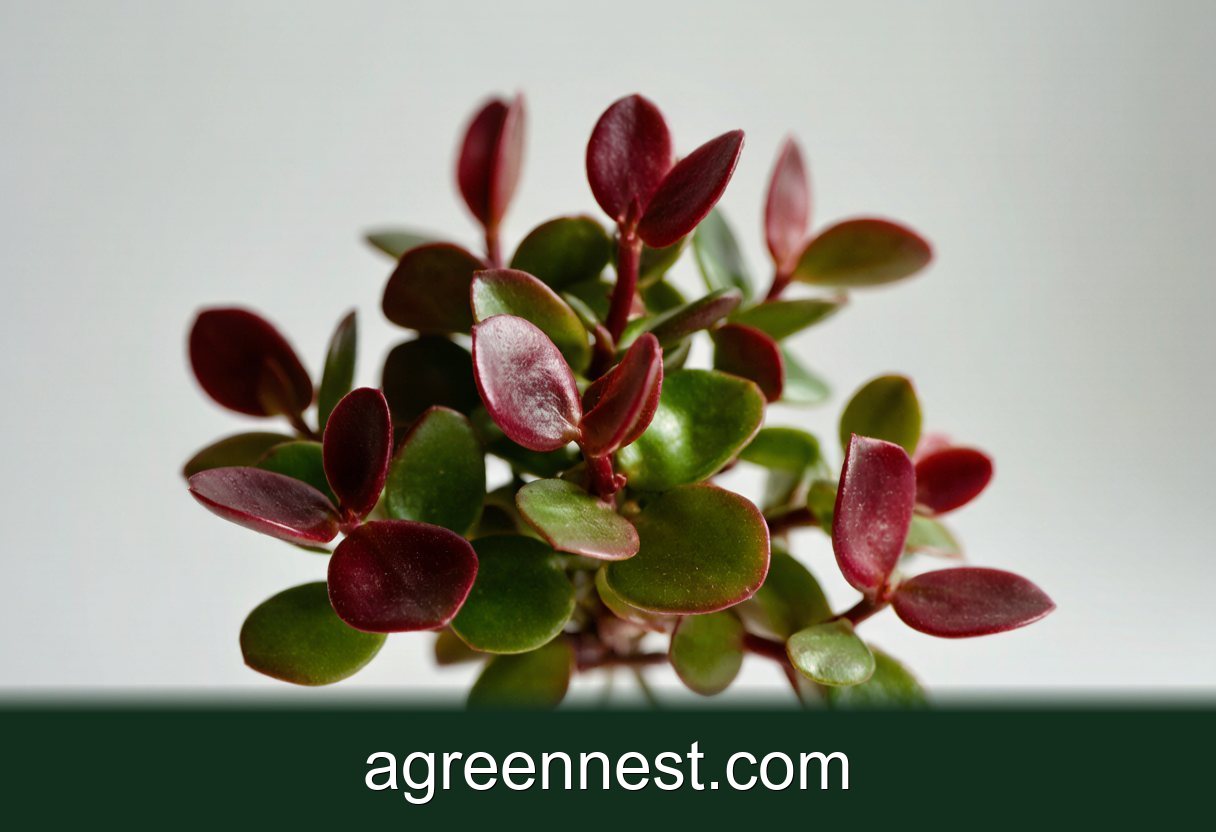
Ruby Necklace Care Guide (Othonna Capensis) stores moisture in its leaves, so it tolerates some neglect. Give it a few hours of direct sun and water only when the potting mix has fully dried out (16 days between waterings). Plant it in a gritty, fast-draining mix and a terracotta pot to keep the roots healthy and rot-free.
Othonna capensis first came to me as a tiny cutting in a paper cup at a plant swap, and within a year its purple stems had spilled two feet over the edge of my shelf. The ruby necklace earns its name from those trailing stems strung with bean shaped leaves that glow purple in strong light. I keep it because it behaves like a succulent with a sense of drama, and it forgives the forgetful waterer better than most. If you want a hanging plant that turns heads, this is my cheerful pick.
The care notes below reflect what has worked on my own shelf through four seasons.
Ruby Necklace at a Glance
| Care factor | What this plant wants |
|---|---|
| Light | lots of bright light and some direct sun for the best colour |
| Water | water deeply when the mix fully dries, roughly every 16 days in the growing season |
| Temperature | comfortable between 50 and 82°F, or 10 and 28°C |
| Humidity | dry air is fine |
| Soil | a gritty, free-draining succulent mix |
| Difficulty | straightforward with the basics right |
| Pet safe | no, keep it away from cats and dogs |
The ruby necklace colours up fast. A week of morning sun deepens the purple from a faint blush to a rich wine tone.
Why Does Ruby Necklace Store Water in Its Leaves?
The plant belongs to the succulent family, and like its cousins it tucks moisture into those fleshy leaves and stems. Othonna capensis can therefore coast for well past its usual 16 day watering gap without wilting, because the leaves release stored water on demand. A second reason is its origin in dry South African scrub, where rain comes in bursts and drought follows. Third, the thin trailing stems lose little water compared with broad leaves, so the plant stays plump through dry spells. That storage is why a missed watering rarely spells disaster.
New growers fear they are starving it. In truth, too much water hurts far more than too little.
Light Needs
Ruby necklace wants lots of bright light and some direct sun for the best colour. In low light the purple fades to plain green, which still looks pleasant but loses the drama. I give mine two to three hours of gentle morning sun on an east windowsill, then bright indirect light the rest of the day. A south window with a sheer curtain also works through winter. Without enough light the stems stretch and the leaves space out, a clear sign to move it brighter.
Colour is your gauge. Deep purple means happy, while pale green means hungry for sun.
How Often Should You Water a Ruby Necklace?
Water deeply only when the potting mix has fully dried, roughly every 16 days in the growing season and far less in winter. I lift the pot to judge weight, because a dry pot feels noticeably light. In the cool months I wait about 24 days between drinks. Soak until water runs from the drainage hole, then let it dry completely before the next round. The sap or leaves can irritate pets if chewed, so I hang mine high, out of reach of the cat.
A moisture metre reading of 2 on a scale of 1 to 10 tells me the mix is ready.
Soil and Pot
Use a gritty, free-draining succulent mix, and I add extra pumice so water races through. A pot with a real drainage hole is non-negotiable, because sitting in water is the fastest way to lose a ruby necklace. Terracotta suits it best, since the clay wicks moisture from the root zone. A 12 cm pot holds a mature trail nicely, and I refresh the top 3 cm of mix each spring.
Never let the pot sit in a saucer of water after watering.
Temperature and Humidity
This plant is happiest between 50 and 82°F (10 and 28°C). Dry air is fine, which makes it a natural fit for centrally heated homes. Keep it away from frost and from the cold leak of an uninsulated window in deep winter. A stable warm shelf suits it better than a spot that chills at night.
One cold snap below 45°F left my plant limp, but it recovered after a warm, dry rest.
How to Propagate Your Ruby Necklace
The easiest method uses a stem cutting left to callus and then rooted. Let any cut surface dry for a day or two before it touches soil or water, then keep it barely moist until roots appear. I lay 8 to 10 cm cuttings on dry soil for two days, then press the ends lightly into moist mix. Roots form in two to three weeks at around 68°F. Each cutting becomes a new trailing strand, so a single plant soon fills a basket.
Sharing these purple strands has become my favourite kind of gift.
Common Problems and Fixes
Leaning or stretched growth means it wants more light, so move it brighter or add a grow light. A mushy, yellow base points to overwatering, so let it dry out and check the roots. Brown, crispy edges usually come from low humidity or salt build-up, and a soil flush plus a little extra humidity solves it.
Pale, green growth simply means more sun is needed, not that the plant is unwell.
Frequently Asked Questions
Q: How often should I water a Ruby Necklace?
A: Water deeply only when the mix has fully dried, roughly every 16 days in the growing season and far less in winter.
Q: Is Ruby Necklace safe for pets?
A: No, keep it away from cats and dogs, because the sap or leaves can irritate them if chewed.
Q: What light is best?
A: Lots of bright light and some direct sun for the best colour, with two to three hours of gentle morning sun ideal.
Ruby necklace rewards a little attention with years of easy beauty, trailing purple stems that brighten any shelf. For a personalised schedule, try our free watering calculator and pair it with the light calculator to pick the perfect spot. Give it sun, give it a dry rest between drinks, and it will reward you with colour all year.
Sources & further reading
GreenNest authors research and write every guide independently. The external links below are reputable references we recommend for deeper reading — they are not the sources we copied from.
- Royal Horticultural Society — Houseplant care — RHS
- Missouri Botanical Garden — Missouri Botanical Garden
- UF/IFAS Gardening Solutions — UF/IFAS
Recommended Tools for Succulent Care
Free, no-signup helpers matched to this guide.
Free Ebooks to Explore
Downloadable handbooks — no email required.
Free Ebook
The AGreenNest Succulent Care Handbook
The complete, beginner-to-confident guide to growing fat, happy succulents — 10 chapters and a 20-plant directory.
Free Ebook
Haworthia & Haworthiopsis Care Handbook
A focused guide to the striped, forgiving Haworthia clan.
Share Your Plant Story
Grown something tricky, or found a trick that finally worked? Tell us in the comments, or see what other readers are sharing on our Community page. The best reader tips get folded back into our guides.
Join the Conversation
Have a tip or a question about Ruby Necklace Care Guide (Othonna capensis)? Share it below — comments are saved on our server.