 AGreenNest
Succulent Care
Baby Toes Care Guide (Fenestraria aurantiaca)
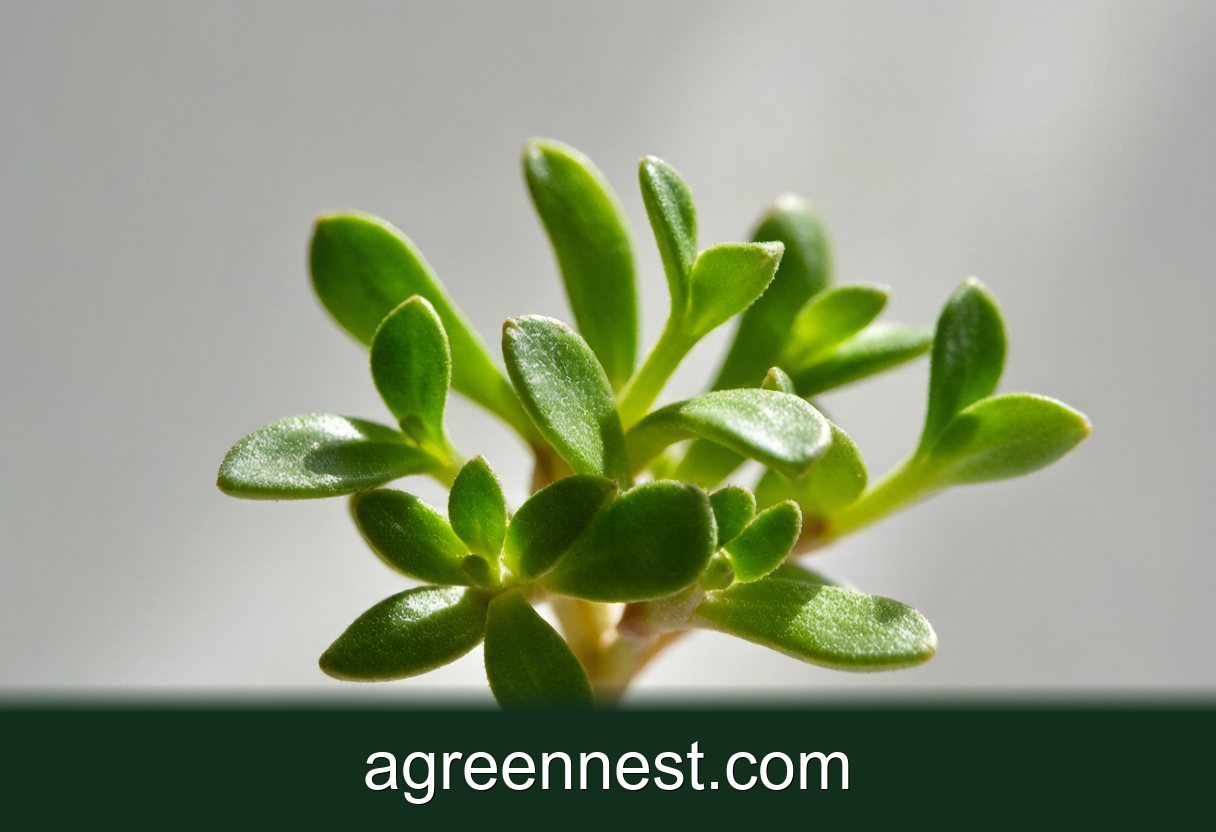
The secret to a happy Baby Toes Care Guide (Fenestraria Aurantiaca) is restraint. Place it in a few hours of direct sun, then wait until the soil is bone dry before watering (25 days between waterings). Use a lean, sandy soil and a porous pot so excess moisture escapes fast and rot never gets started.
Baby Toes at a Glance
| Care factor | What this plant wants |
|---|---|
| Light | several hours of direct sun each day |
| Water | a deep soak only when soil is bone dry, about every 25 days in summer |
| Temperature | from 45 to 85°F (7 to 29°C) |
| Humidity | dry air is fine |
| Soil | a gritty, free draining succulent mix |
| Difficulty | easier once you have a little experience |
| Pet safe | yes, non-toxic to cats and dogs |
The first time I grew Fenestraria rhopalophylla, a cluster of odd little toes poking from a clay pot, I watered it like my other succulents and nearly lost it. Baby Toes, sometimes listed as Fenestraria aurantiaca, stores water in its buried body and asks for far less than you expect. Those plump, finger like leaves carry clear windows at the tip that pipe sunlight down to the hidden green.
What Makes Those Leaf Tips Look Like Windows?
Each leaf ends in a translucent patch that lets light reach the part buried in soil. The plant grows most of its body underground, which is why the windowed tips should sit right at the soil line rather than poking high above it. My plants pushed new toes up through a top dressing of coarse sand, and the windows stayed clean because grit does not hold moisture against the skin. When the glassy tips look dull, it usually means the soil has packed too tight or the light has dropped. A small fan on low for 15 minutes a day keeps the surface from staying damp.
Light: Give It the Sun It Craves
Baby Toes wants full, direct sun for most of the day. A south or west window that delivers 5 or 6 hours of bright light builds the strongest, most compact clump. My kitchen sill faces west and the plants there stay short and fat, while a pot I once tucked in shade stretched into pale, leaning fingers within a month. If your home lacks strong sun, a 60 watt grow light held 8 inches above the pot for 12 hours daily keeps the shape tight. Watch for a soft orange blush in high light, which is a happy stress colour and not a problem.
How Often Should I Water Baby Toes?
Wait until the soil is bone dry, then give a thorough soak. In the growing season from March to October, that lands around every 25 days in my dry flat. Winter is a near rest, and I cut back to a light sip about every 6 weeks. I water at the soil edge, never over the windows, because trapped moisture invites rot at the crown. The pot must drain fully, and I tip out any saucer water within 10 minutes. A cheap moisture meter that reads below 2 on a 1 to 10 scale is my signal that it is safe to water.
Soil, Pots, and the Dry Rule
A gritty, free draining mix is non negotiable. I blend three parts coarse sand to two parts pumice and one part standard cactus soil, which gives a lean, airy bed. The pot needs a real drainage hole, and I favour a deep container because the roots travel downward. A 4 inch deep pot suits a starter clump, and I move to a 5 inch depth after roughly two years. Unglazed terracotta wicks away excess better than plastic, which matters for a plant that hates wet feet.
Temperature and the Cool Night Trick
Baby Toes tolerates a wide range, from 45 to 85°F (7 to 29°C), yet it thrives on cool nights. I let the room drop to about 55°F (13°C) after dark in autumn, which seems to harden the leaves and deepen their colour. Keep it away from central heating drafts in January, since sudden warmth followed by cold confuses the plant. Dry air causes no trouble, so a bedroom shelf works as well as a greenhouse bench.
How Do I Propagate Baby Toes?
Fresh seed sown on the surface is the classic route, though it tests your patience. I scatter seed over damp sand, press it in lightly, and keep it barely misted at 70°F (21°C) until tiny toes appear after 3 to 5 weeks. Division also works if a clump has formed several heads. Lift the plant in spring, separate a section with its own roots, and let the cut dry for two days before replanting. Either way, hold off on fertiliser for a month so the fresh roots settle.
Common Problems and Quiet Fixes
Leaning or stretched growth means the plant wants more light. Move it to a brighter window or add a grow light, and the next toes will stand upright. A mushy, yellow base signals overwatering. Let the soil dry completely and check the roots, trimming any that feel soft. Brown, crispy edges can come from salt build up, so I flush the pot with a litre of plain water every three months. A cactus fertiliser at quarter strength, once in May and once in July, is plenty for the year.
Frequently Asked Questions
How often should I water Baby Toes?
Soak only when the soil is bone dry, about every 25 days in summer and roughly every 6 weeks in winter.
Is Baby Toes safe for pets?
Yes. It is non-toxic to cats and dogs, so a curious bite will not cause harm.
What light is best for this plant?
Full, direct sun for most of the day. Less light leads to stretched, pale growth.
Baby Toes rewards restraint more than effort, and once you stop over watering, it quietly multiplies into a charming cluster. Give it sun, a gritty mix, and a dry winter rest, and you will enjoy those little windows for years. For a schedule tuned to your home, try our free watering calculator and pair it with the light calculator to find the brightest spot.
Sources & further reading
GreenNest authors research and write every guide independently. The external links below are reputable references we recommend for deeper reading — they are not the sources we copied from.
- Aggie Horticulture (Texas A&M) — Texas A&M AgriLife
- Clemson Home & Garden Information Center — Clemson Extension
- Royal Botanic Gardens, Kew — Kew Gardens
Recommended Tools for Succulent Care
Free, no-signup helpers matched to this guide.
Free Ebooks to Explore
Downloadable handbooks — no email required.
Free Ebook
The AGreenNest Succulent Care Handbook
The complete, beginner-to-confident guide to growing fat, happy succulents — 10 chapters and a 20-plant directory.
Free Ebook
Haworthia & Haworthiopsis Care Handbook
A focused guide to the striped, forgiving Haworthia clan.
Share Your Plant Story
Grown something tricky, or found a trick that finally worked? Tell us in the comments, or see what other readers are sharing on our Community page. The best reader tips get folded back into our guides.
Join the Conversation
Have a tip or a question about Baby Toes Care Guide (Fenestraria aurantiaca)? Share it below — comments are saved on our server.