 AGreenNest
Succulent Care
Repotting Succulents: A Step-by-Step Guide
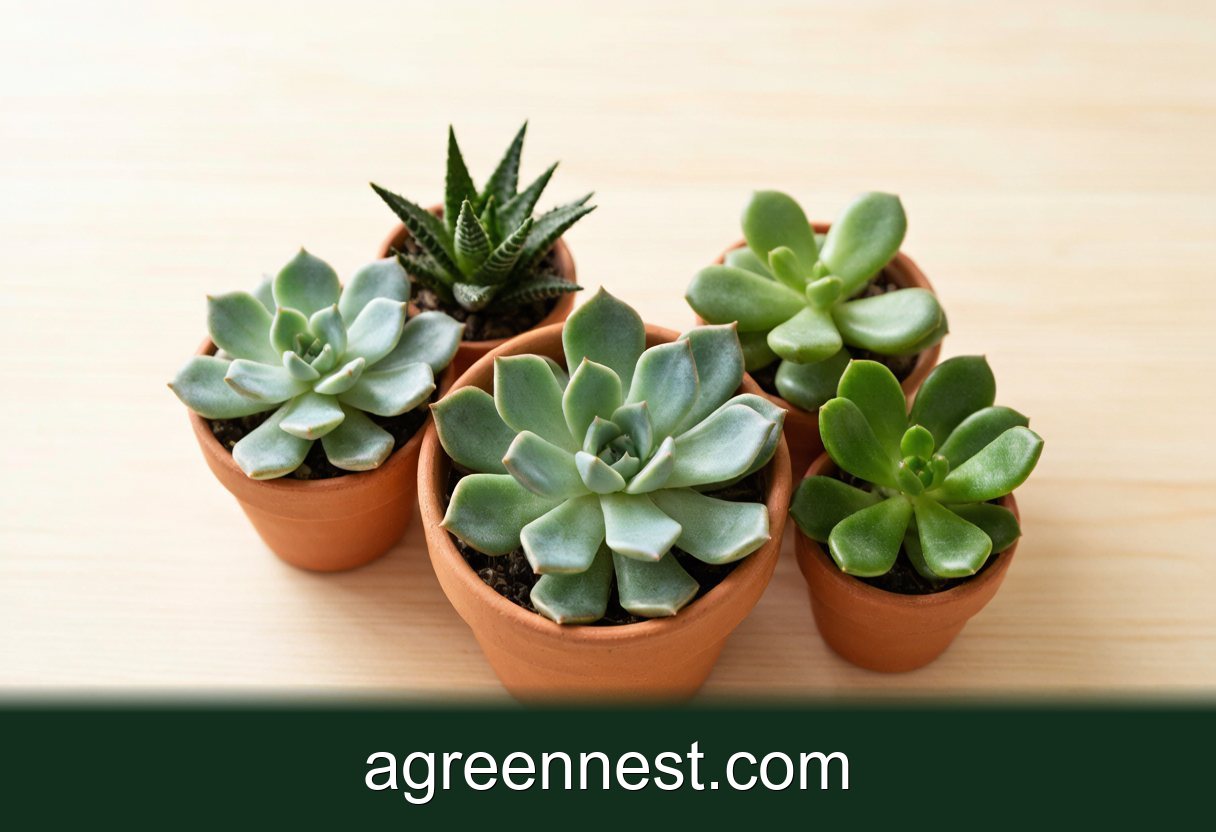
Repotting Succulents stores moisture in its leaves, so it tolerates some neglect. Give it bright, indirect light (a south or east windowsill is ideal) and water only when the potting mix has fully dried out (every 2-3 weeks in summer, less in winter).
A Repot That Resets the Clock
I used to dread repotting, convinced I would wreck the plant with my clumsy hands. Then a neighbor showed me that succulents are far tougher than their pretty looks suggest, and the job became one of my favourite chores. Moving a plant into fresh, free draining soil is less about skill and more about timing and a light touch.
A good repot resets the clock on rot. Old mix slowly collapses into mud that holds water against the roots, and refreshing it every couple of years keeps the whole system honest. Think of it as changing the air filter in your house, a small task that pays off for months. The plant wakes up, the roots spread, and the next watering actually reaches living tissue instead of stale, compacted soil.
When Is the Best Time to Repot a Succulent?
Spring and early summer are the safe windows, because the plant is actively growing and can mend disturbed roots within days. Aim for a morning in April or May when temperatures sit between 65 and 75°F (18 and 24°C). At that point the roots push out new growth fast, and any small damage seals before it can rot.
Avoid repotting in deep winter. A dormant plant moved in a cold, dark room may sit in wet soil for weeks, and that is the perfect recipe for a mushy base. If you must move one in winter, keep it dry for a full week afterward and place it in the brightest spot you have. Patience in the off season saves more plants than any fancy tool.
Signs Your Plant Needs a New Home
Roots peeking from the drainage hole are the clearest signal. Other tells include soil that dries within a day no matter how much you water, a rosette that has grown wider than the pot, or a plant that tips over because the top weighs more than the root ball below. Catching the move early means the root ball slides out cleanly, with less breakage and a quicker recovery. A plant left too long in a tight pot simply stops putting out new growth, and that stall is easy to miss until the leaves thin out.
I check my Crassula ovata, the classic jade plant, every March. When I see pale roots at the base of the terracotta, I know the clock has run out. A Crassula ovata can live for decades, so a calm, biennial repot keeps it happy without drama. The same March glance tells me which of my Echeveria elegans have outgrown their shallow dishes.
How Do You Repot Without Shock?
Start by watering the day before, so the roots flex instead of snapping when you pull the plant. Tip it out by squeezing a plastic pot or running a butter knife around a clay one, then tease the old soil from the roots with your fingers. Trim any black or papery roots with clean scissors.
Let the bare root sit on a tray for a full day. This callusing step seals the cuts so they cannot rot the moment they touch damp soil. Plant high in fresh gritty mix with the neck at the soil line, never buried, and then wait one week before the first light watering. A gentle press around the base settles the plant without compacting the mix.
Soil and Pot Choices That Matter
A 2 to 1 blend of cactus mix and coarse grit gives roots room to breathe. I measure it as two scoops of commercial cactus soil to one scoop of pumice, which keeps the top inch dry even after a thorough soak. Skip peat heavy blends, because they cling to water long after the plant wants none.
Terracotta wins for repotting work. The clay pulls moisture from the edge of the soil, so the root ball dries in roughly half the time it would in a glazed pot. One size up is plenty; a pot that is too large stays wet at the bottom and quietly rots the roots. A shallow, wide dish suits rosette forms better than a deep, narrow one. Glazed pots look smart on a shelf, yet they trap humidity against the root zone and suit only the driest homes. I keep one glazed pot for show and the rest in clay, because the clay quietly does the hard work of keeping roots safe.
Aftercare in the First Two Weeks
Hold off on fertilizer for at least two weeks. Fresh soil already carries some nutrition, and a young root system reacts badly to a strong feed. Place the repotted plant in bright, indirect light, such as a south or east windowsill, and watch for a slight shrivel that plumps back up as roots reattach.
My Echeveria elegans looked wilted for nine days after its last move, then firmed overnight once the roots found the new mix. That bounce back is the sign you did it right, and it is worth the patience. Within a fortnight the plant should stand firm when you tug the base, proof that the roots have reclaimed their home.
Frequently Asked Questions
Q: Can I reuse the old soil?
A: Not for succulents. Old mix holds too much water and salt, so refresh it with a clean gritty blend every time.
Q: Do I need a bigger pot each time?
A: Only one size up. Too much soil stays damp at the core and invites rot.
Q: Why did the leaves wrinkle after repotting?
A: That is normal transplant shock. The plant usually plumps within ten to fourteen days once roots settle.
A clean repot is one of the kindest things you can do for a long lived succulent. Keep the rhythm with the watering calculator, and for the five tools that make the job clean and safe, see our repotting toolkit guide. Your plants will reward the care with years of steady growth.
Sources & further reading
GreenNest authors research and write every guide independently. The external links below are reputable references we recommend for deeper reading — they are not the sources we copied from.
- Cornell Garden-Based Learning — Cornell University
- Royal Horticultural Society — Houseplant care — RHS
- UF/IFAS Gardening Solutions — UF/IFAS
Recommended Tools for Succulent Care
Free, no-signup helpers matched to this guide.
Free Ebooks to Explore
Downloadable handbooks — no email required.
Free Ebook
The AGreenNest Succulent Care Handbook
The complete, beginner-to-confident guide to growing fat, happy succulents — 10 chapters and a 20-plant directory.
Free Ebook
Haworthia & Haworthiopsis Care Handbook
A focused guide to the striped, forgiving Haworthia clan.
Share Your Plant Story
Grown something tricky, or found a trick that finally worked? Tell us in the comments, or see what other readers are sharing on our Community page. The best reader tips get folded back into our guides.
Join the Conversation
Have a tip or a question about Repotting Succulents: A Step-by-Step Guide? Share it below — comments are saved on our server.