 AGreenNest
Low-Light Indoor Plants
Philodendron Care: 2 Species for Beginners
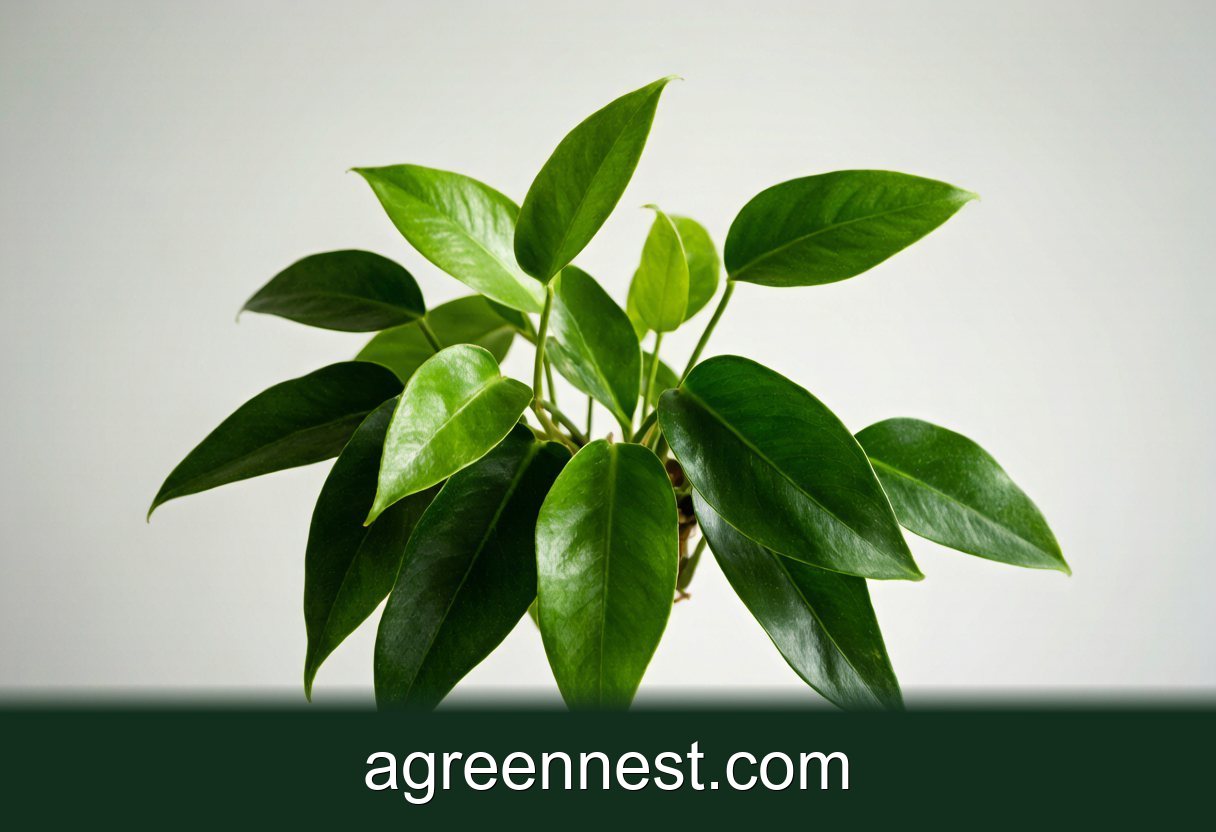
Philodendron is built for dim rooms. It tolerates bright, indirect light and actually suffers in hot direct sun. Water when the top 2-3 cm of soil feels dry (when the top 2-3 cm of soil feels dry), and keep humidity modest. A north or east window, or a few feet back from a bright one, is the sweet spot.
Why Philodendron Feels Like the Easy Choice
My first flat had one north facing window and zero luck with ferns. A trailing Philodendron hederaceum rewrote that story within a single season. The vine crept along the shelf and asked for nothing but indirect light. New plant parents usually want a specimen that forgives a missed watering, and this genus delivers. Such a forgiving nature explains its lasting popularity. Visitors often think the leaves are plastic until they touch one and feel the warmth. Few other plants shrug off a forgetful owner with such good grace. Morning light through my kitchen window kept the first vine happy and green.
What Sets Philodendron Apart From Other Houseplants?
A Philodendron grows from nodes that sprout roots and leaves when buried. Hundreds of species fill the genus, yet the two here share a calm temperament and a taste for shade. Tough aroid sits behind the glossy leaf and shrugs off dry air. Living rooms from Oslo to Manila keep them lush with the same simple care. Three years passed for one friend who watered every nine days without a single hiccup. Wild relatives climb trees in rain forest light gaps, which is why they hate the harsh midday sun on a windowsill. Botanists describe more than 450 species across the whole wide genus.
Philodendron hederaceum: The Trusty Heartleaf
Philodendron hederaceum trails or climbs depending on where you pin it. Stems stretch 1 to 2 metres given a moss pole and patience. Grow it in a 12 cm pot with a free draining mix of two parts peat to one part perlite. Bright indirect light from an east window suits it, while hot noon sun scorches the thin blades. Fourteen days is all most cuttings need to root in a glass of water. A young plant can double its leaf count in a single warm summer if you feed it lightly each month. Spring is the best time to move a rooted cutting into fresh soil.
Philodendron erubescens: The Pink Princess
Philodendron erubescens trades plain green for splashes of bubblegum pink. Colour deepens only under bright indirect light, so a dim shelf turns it green within weeks. Keep this one in a 10 to 14 cm pot and spin it a quarter turn each Sunday for even colour. Pretty face hides the same easy care as its cousin. Such drama from a bright corner is rare among shade lovers. New leaves emerge nearly white before the pink settles, which makes each fresh flush feel like a small gift. Repotting every second spring keeps the pink form from stalling or fading.
How Much Light Is Too Much?
Bright indirect light for six to eight hours suits these plants daily. A north or east window is ideal, and a few feet back from a south pane works too. During summer, pull them away if the glass heats past 30°C (86°F). One scorched leaf tip means the sun was too direct. Colour loss often starts with a spot that is simply too bright. Sheer curtains cut the harshest rays while still letting the plant soak up the gentle morning glow. South facing glass behind a net curtain softens the midday blast nicely.
When Should You Reach for the Watering Can?
Water when the top 2 to 3 cm of soil feels dry to the finger. Warm rooms may need a drink every 7 to 10 days, while winter slows to every 14 to 21 days. Leaves droop slightly before they suffer, so watch rather than mark a calendar. Nineteen dry days in a cool February saw my Heartleaf bounce back overnight. Readable signals like this make the genus friendly. A moisture meter set at 3 on a 1 to 10 scale removes the guesswork for nervous beginners. Labels on the pot rim remind guests not to overwater while you are away.
Which Soil and Pot Keep Roots Happy?
Pick a pot with a drainage hole and a light, airy medium. One part perlite to two parts coconut coir holds moisture without staying soggy. Humidity around 45 to 55 percent suits most homes already. Twelve centimetres of pot supports a young plant for a full year. Heavy, wet soil rather than dry air is where root troubles begin. A weekly mist on the underside of leaves mimics the humid forest floor they still remember. Bright bathrooms often give the humidity these plants quietly enjoy.
How Do You Propagate a Philodendron?
Snip a stem just below a node that already shows a small root bump. Drop the cutting in water or press it into damp perlite until white roots reach 3 to 4 cm. Warmth near 24°C (75°F) speeds the process to about two weeks. Pot the rooted cutting in the same airy mix you use for the parent. Three nodes in one jar soon become a full new plant worth giving to a friend. Crowded jars of cuttings make cheap, cheerful gifts for neighbours.
Frequently Asked Questions
Q: Can these two share a pot?
A: Yes, because both want the same shade and similar water, so they grow well together.
Q: Why are my leaves turning yellow?
A: Usually overwatering; let the top 2 to 3 cm dry fully before the next drink.
Q: How do I keep the Pink Princess pink?
A: Give it bright indirect light for six to eight hours and avoid dim corners.
Collecting a genus slowly teaches one plant family better than any shelf of mixed pots. Pair your favourites with the light calculator to place them well, and enjoy the calm they bring. A happy philodendron is the one that quietly fills a dim room with green.
Sources & further reading
GreenNest authors research and write every guide independently. The external links below are reputable references we recommend for deeper reading — they are not the sources we copied from.
- Cornell Garden-Based Learning — Cornell University
- NC State Extension — Plant Toolbox — NC State Extension
- Clemson Home & Garden Information Center — Clemson Extension
Recommended Tools for Low-Light Indoor Plants Care
Free, no-signup helpers matched to this guide.
Free Ebooks to Explore
Downloadable handbooks — no email required.
Share Your Plant Story
Grown something tricky, or found a trick that finally worked? Tell us in the comments, or see what other readers are sharing on our Community page. The best reader tips get folded back into our guides.
Join the Conversation
Have a tip or a question about Philodendron Care: 2 Species for Beginners? Share it below — comments are saved on our server.