 AGreenNest
Low-Light Indoor Plants
Peperomia Care: 2 Species for Beginners
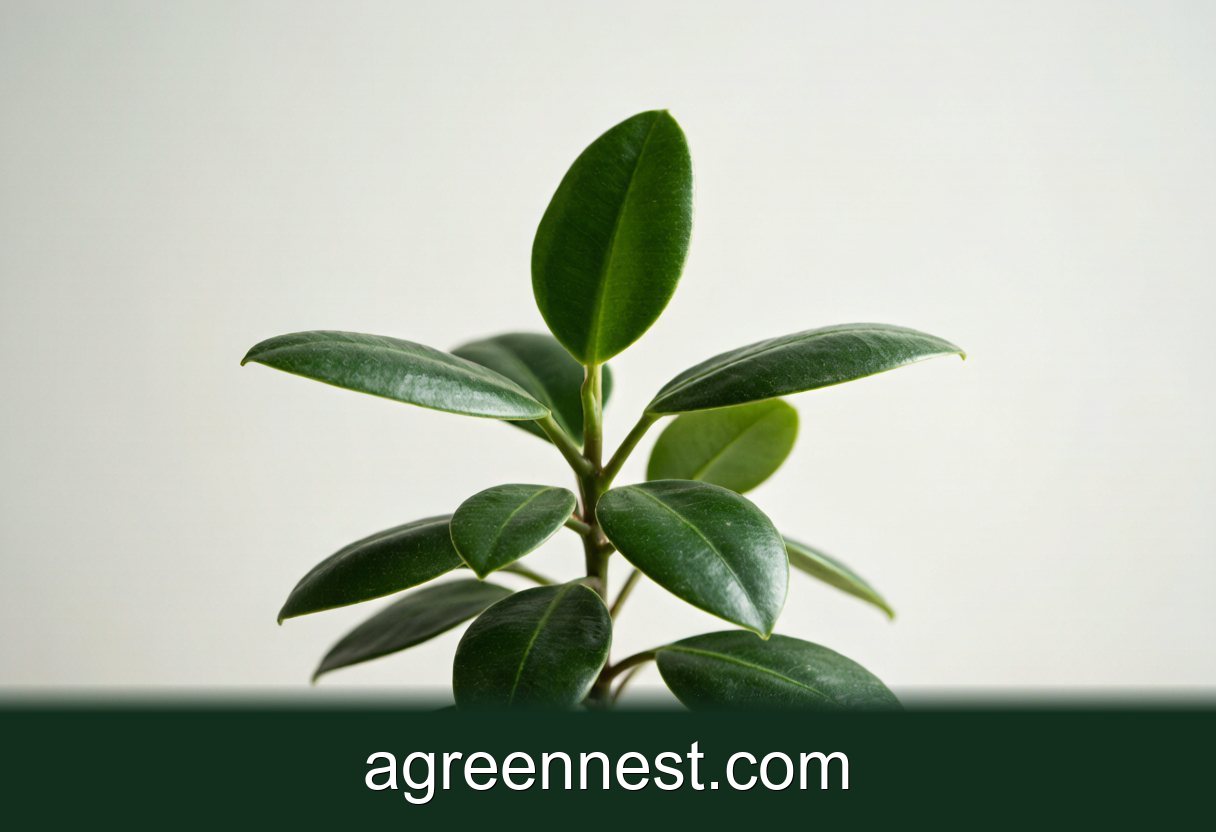
Do not overthink Peperomia. It thrives in bright, indirect light and asks for little: water when the top layer of soil dries (when the top 2-3 cm of soil feels dry), and keep it away from harsh midday sun. A slightly lean soil and a stable, warm spot are all it needs to look good through the year.
Meet the Pair
Peperomia is a sprawling genus with more than a thousand named species, yet two members earn a place on almost every beginner shelf. One is the Baby Rubber Plant, formally Peperomia obtusifolia. A second is the Emerald Ripple Peperomia, listed by botanists as Peperomia caperata. Both stay compact, both forgive a forgotten watering, and both look more expensive than the effort they require.
A neighbour handed me my first obtusifolia two years ago. That single pot became six within a year, and the small collection has not stopped growing since. Few plants repay neglect so cheerfully, which is why I keep recommending them to nervous new growers.
What Makes These Two Different?
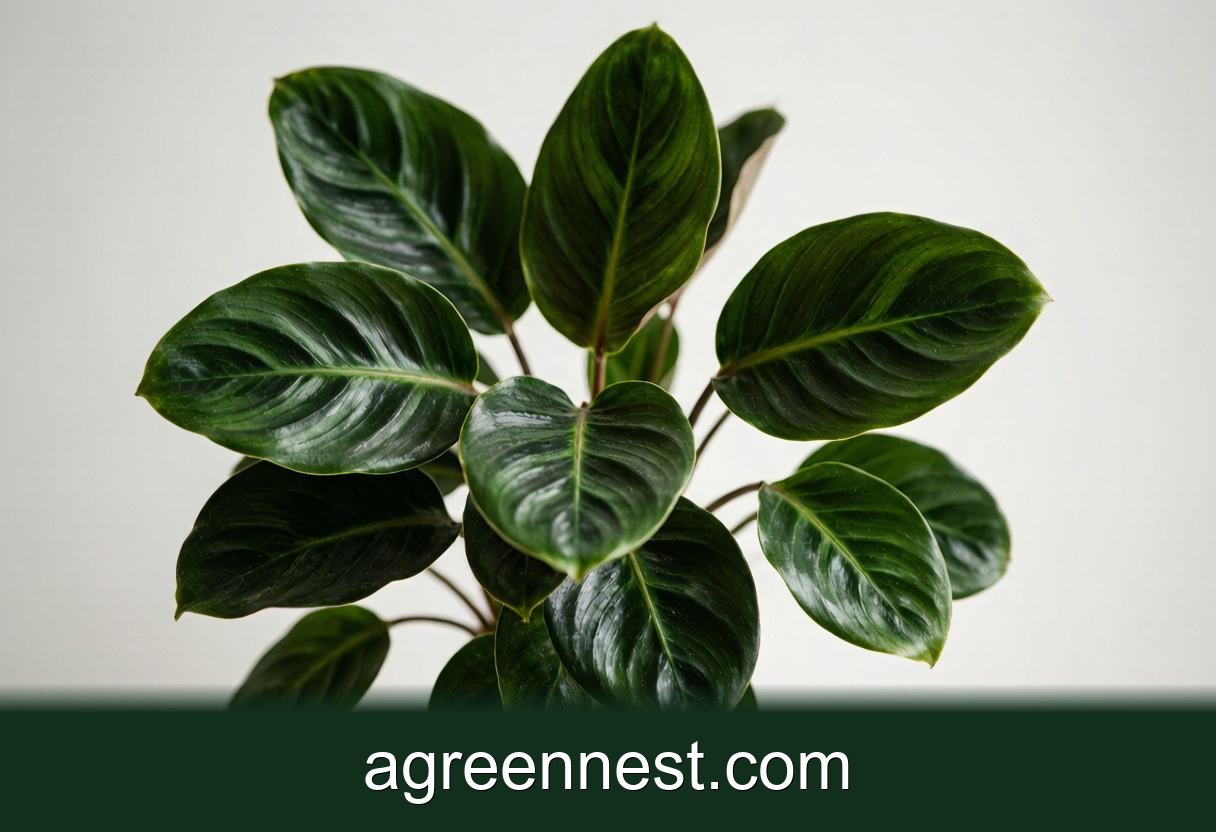
Leaf shape is the clearest clue for telling them apart. Peperomia obtusifolia grows thick, glossy, rounded leaves that feel almost waxy to the touch. Those leaves hold water in their tissue, which explains why the plant shrugs off a dry spell without complaint. Peperomia caperata shows off crinkled, heart shaped leaves with deep grooves running toward the centre. That texture looks fragile, but the plant is every bit as sturdy as its glossy cousin.
Colour sets them apart as well. Baby Rubber Plant keeps a calm green, and some forms are edged in cream or gold. Emerald Ripple arrives in reds, silvers, and near black greens that shift through the day as the light moves. Pick the one whose appearance you love, because the weekly care routine barely changes between the two.
Growth habit is the third difference worth noting. Obtusifolia climbs toward a short, upright bush and can reach 25 to 30 cm in a pot. Caperata stays lower and denser, rarely passing 20 cm, which makes it a better fit for a tight shelf or a terrarium edge.
How Much Light Do They Want?
Bright, indirect light keeps both species happy through the year. An east or north window is a safe choice, and a spot a few feet back from a south window works just as well. Harsh midday sun will mark the leaves with pale scars, so slide them back when the light gets strong in midsummer.
Lower light is tolerated better here than with most succulents. Stretched stems and faded colour are the usual signs of too little, though. Roughly 10 to 14 hours of bright indirect light each day produces compact, healthy growth, and a sheer curtain can tame a too bright west window.
Watering Without the Guesswork
Check the top 2 to 3 cm of soil with a finger before reaching for the can. Baby Rubber Plant tolerates a longer gap thanks to its water storing leaves. Emerald Ripple enjoys the same schedule but likes a little extra humidity nearby, so a pebble tray under the pot helps it through dry winter air.
Summer watering lands around every 10 to 14 days in most homes. Winter slows the plants down, so stretch that to roughly every 3 weeks and watch the leaves rather than the calendar. Pour until liquid leaves the drainage hole, then tip out the saucer so the roots stay dry and rot cannot start.
Overwatering is the single mistake that ends most Peperomias, so when in doubt, wait another day. Leaves will tell you the truth: a thirsty plant shows mild limpness, while a drowned one turns yellow and soft at the base.
Soil and Pots That Drain
Lean, fast draining soil is the rule for this genus. My mix is two parts peat free potting soil, one part perlite, and one part coarse sand by volume. Water should pass through in seconds and leave the pot feeling light when you lift it.
Terracotta pots earn their keep with these plants. Clay pulls moisture from the soil, and a drainage hole does the rest of the work. Few things protect Peperomias from rot better than a porous pot paired with a meagre, gritty mix.
Repot only every 2 to 3 years, and choose a pot just 2 to 3 cm wider than the old one. These plants like to be slightly snug, and a vast pot holds damp soil that the small roots cannot drink.
When Should You Propagate?
Late spring through early summer gives the best results for new plants. Snip a leaf with a short stem attached, let the cut end dry for a few hours, then rest it on dry soil in warm light. A stem tip cutting follows the same path and often roots a little sooner.
Small white roots appear after 3 to 4 weeks under steady warmth. Keep the cuttings near 70°F (21°C) and shaded from direct sun until they firm up and show new leaves. Both species multiply so readily that one parent plant can stock an entire shelf by autumn.
Frequently Asked Questions
Q: Which Peperomia suits a first timer best?
A: The Baby Rubber Plant, Peperomia obtusifolia, forgives irregular watering better than any other in the genus and shrugs off low light too.
Q: Why do my Emerald Ripple leaves curl at the edges?
A: Curling points to low humidity or uneven watering. Add a pebble tray and keep the schedule steady to help them relax.
Q: Can these two grow in one pot together?
A: They can, because their light and water needs match closely, and a mixed bowl stays simple to maintain through the seasons.
Learning one genus closely teaches more than a random shelf of unrelated houseplants ever could. These two Peperomias ask little and reward plenty, making them a calm and confident way into the wider hobby. Pair your picks with the light calculator to find them the right home, and enjoy the slow pleasure of watching a small family of plants thrive.
Recommended Tools for Low-Light Indoor Plants Care
Free, no-signup helpers matched to this guide.
Free Ebooks to Explore
Downloadable handbooks — no email required.
Sources & further reading
GreenNest authors research and write every guide independently. The external links below are reputable references we recommend for deeper reading — they are not the sources we copied from.
- Cornell Garden-Based Learning — Cornell University
- Aggie Horticulture (Texas A&M) — Texas A&M AgriLife
- Clemson Home & Garden Information Center — Clemson Extension
Share Your Plant Story
Grown something tricky, or found a trick that finally worked? Tell us in the comments, or see what other readers are sharing on our Community page. The best reader tips get folded back into our guides.
Join the Conversation
Have a tip or a question about Peperomia Care: 2 Species for Beginners? Share it below — comments are saved on our server.