 AGreenNest
Low-Light Indoor Plants
Overwintering Houseplants: Getting Them Through the Cold
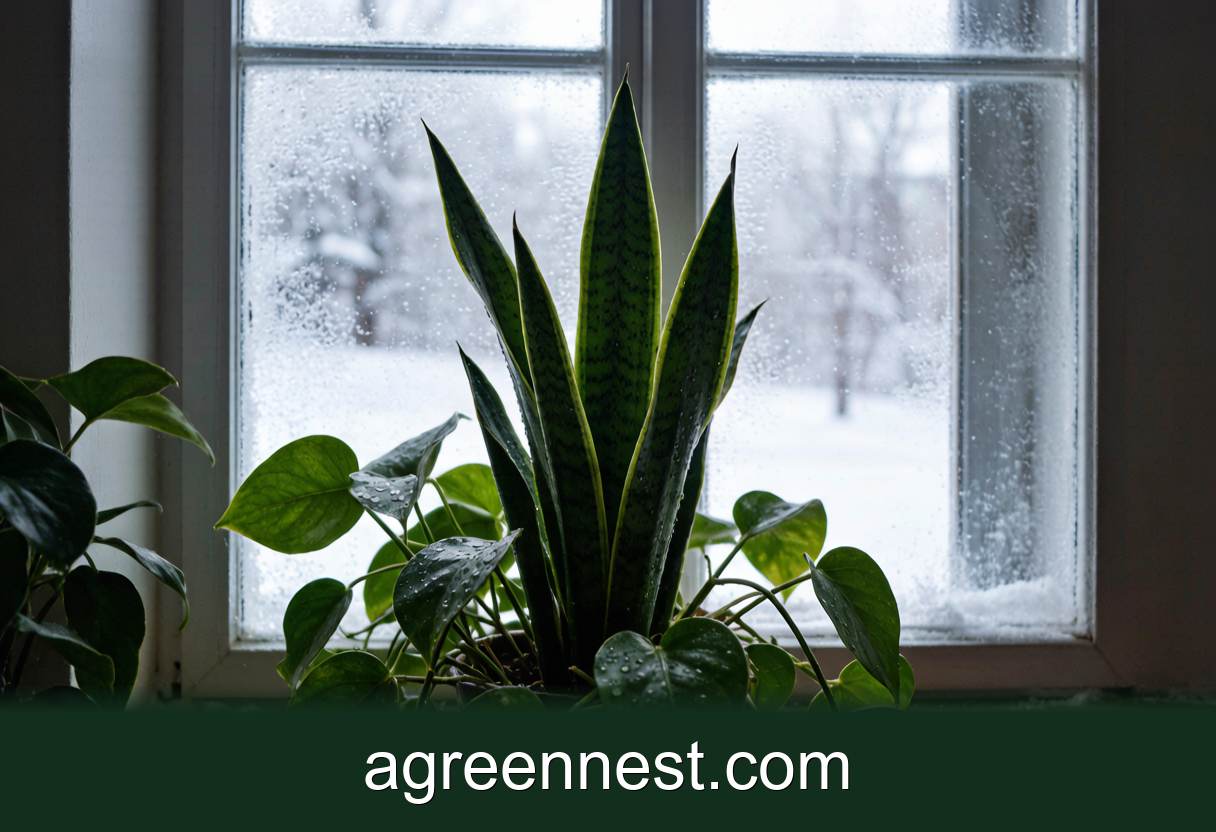
Overwintering Houseplants is built for dim rooms. It tolerates low to medium light and actually suffers in hot direct sun. Water when the top 2-3 cm of soil feels dry (7 days between waterings), and keep humidity modest. A north or east window, or a few feet back from a bright one, is the sweet spot.
The first cold night changes everything
You are packing for the holidays and the heating is about to run nonstop, so the plants feel the shift first. Light drops to between 8 and 9 hours a day and arrives weak and low through the glass, nothing like the bright wash of July. Central heating air sits near 20°C (68°F) yet falls to between 25 and 30 percent humidity, which is desert dry next to the damp of summer.
Plants read this combination as a clear signal to stop. They slow their metabolism and stop drinking almost entirely, sometimes using a tenth of the water they took in July. Almost everyone makes the mistake of watering them on the old summer calendar. Succulents show this most sharply, and a Haworthia cooperi will sit untouched for a month without a single complaint.
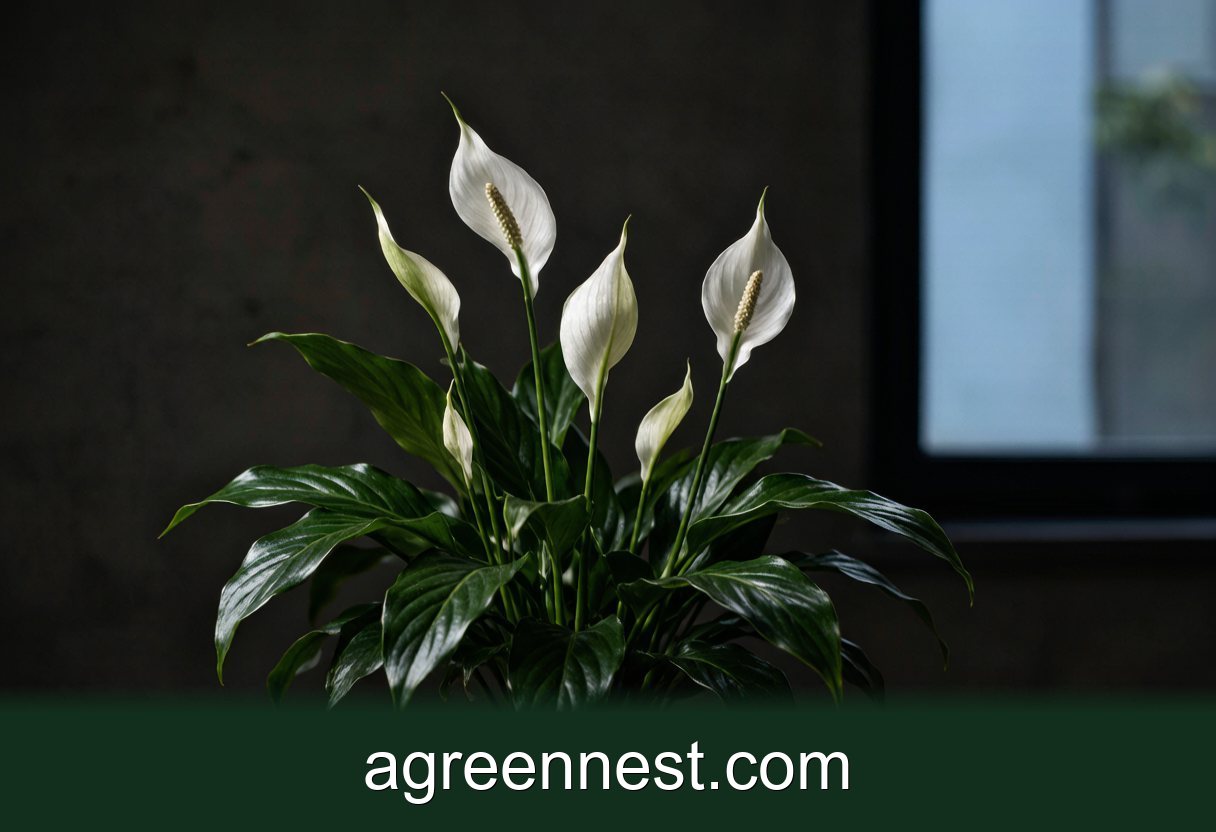
My own peace lily taught me this the hard way one December. I kept the summer rhythm, the soil stayed wet for weeks, and the roots went soft and black before I noticed. Since then the watering can stays in the cupboard from November through February. That difference showed up by March, when that plant threw three new leaves while its neighbors lagged a week behind.
What does your plant need in winter?
Cut the water to roughly half the summer amount, and often less than that. Specimens that wanted a drink every 7 days in July may want one every 3 weeks now, and some succulents stretch to 5 weeks between drinks. Check the soil with a finger to the second knuckle before you pour, because the surface lies in heated rooms.
Stop fertilizing completely during the cold months. Feeding a dormant plant burns the fine roots and sets back the spring growth you actually want. Resume the regular feed in March, when the days pass ten hours and the first buds appear.
Move the collection away from the glass as the nights bite. Shelves set 40 cm from a window give steadier air than the pane itself, where temperatures swing by 15°C (59°F) between afternoon and midnight. My ficus dropped its lower leaves the year I left it on the sill, and moved them up a shelf the next winter with no loss.
Why do windows turn dangerous in winter?
Cold glass at night drops to between 5 and 10°C (41 to 50°F) right at the pane, and that chill creeps into the nearest leaf within an hour. Sansevieria trifasciata shrugs it off without a flicker, but a tropical Anthurium andraeanum will spot damage overnight and never fully recover the leaf. Move every sensitive plant at least 30 cm off the glass, or draw a curtain between it and the night sky.
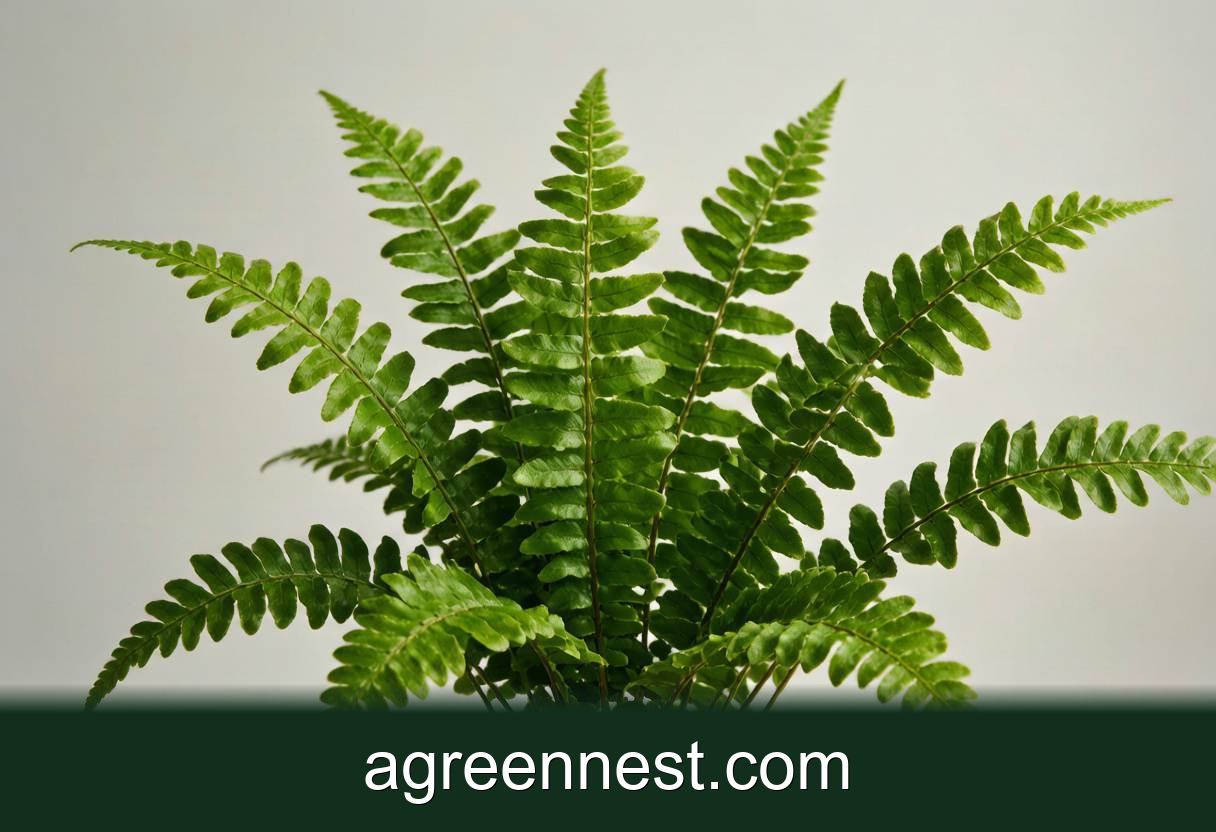
Drafts and radiators are the twin enemies in most homes. One side freezes the plant while the other bakes it from the same distance, so a pot perched on the radiator shelf is the worst spot of all. Keep pots on a middle shelf away from both, and the leaves stay whole through to March. I lost a fern to a south radiator one January, and have sworn off that shelf ever since.
How can you keep humidity up?
Group the plants together so they share the small pocket of moisture each leaf loses to the dry air. Run a humidifier if the room falls below 35 percent, because brown leaf tips in winter are almost always dry air rather than thirst. Pebble trays under the pot add a gentle local humidity without ever soaking the soil.
Inspect for pests that move in with the dry warmth, since spider mites adore a heated room at 22°C (72°F). Weekly flips of the leaf catch them while the colony is still tiny, and a 1 to 2 percent soap spray ends most outbreaks in a week. Quarantine any new plant on the landing for two weeks before it joins the group, because one infested pot can seed the whole shelf.
Which plants need the most protection?
Tropical types suffer first when the heat clicks on in late autumn. Calathea orbifolia will crisp at the edges if the room dips below 40 percent humidity for a fortnight. Cacti and Haworthia cooperi barely notice, since their native winters are colder and drier than your living room.
Group the tender sorts near the humidifier and park the succulents by the cool window instead. Schlumbergera truncata blooming in December wants 15 to 18°C (59 to 64°F) and a dark evening to set its buds, so keep it away from the lamp you read by. Match the spot to the species, and winter becomes a rest rather than a rescue.
When should you start normal care again?
March is the turning point for most houseplants. Lengthening days and the first pale new growth are your cue to resume feeding and pick up the watering pace. Do not rush it in February, because a warm spell can still flip cold within a single night and undo the new roots.
Rotate the pots every ten days so each side meets the weak winter sun evenly. Leaning starts now and looks terrible by March if you skip this small chore, and a crooked plant takes all spring to straighten. A north window gives 6 to 8 hours of soft light that keeps growth even without the twist.
Frequently Asked Questions
Can I keep plants in an unheated room over winter?
If the space stays above about 5°C (41°F) and the plant is a succulent or a Sansevieria, yes, they prefer the cold rest. Those plants need 12°C (54°F) minimum or they decline and drop their leaves.
Should I mist my plants more in winter?
No. Misting lifts humidity for a moment and then drops it again to nothing. Humidifiers or pebble trays are the real fix, and misting is mostly theater that fools the owner, not the plant.
My plant dropped leaves in November. Is it dying?
Probably not. Shorter light triggers leaf drop in many species as they downsize to match the energy available. Keep it cool, dry, and patient until spring before you assume the worst.
Winter care is the art of doing less with steady hands. Cut the water, cut the food, cut the drafts, and let the plants pause until the light returns. Quiet months are not a failure of attention. They are the rest that makes the spring growth possible, and your best tool this season is the watering can left sitting on the shelf. Give them a quiet corner, a cool night, and your restraint, and they will repay it with a burst in April.
Recommended Tools for Low-Light Indoor Plants Care
Free, no-signup helpers matched to this guide.
Free Ebooks to Explore
Downloadable handbooks — no email required.
Sources & further reading
GreenNest authors research and write every guide independently. The external links below are reputable references we recommend for deeper reading — they are not the sources we copied from.
- Royal Horticultural Society — Houseplant care — RHS
- Missouri Botanical Garden — Missouri Botanical Garden
- Royal Botanic Gardens, Kew — Kew Gardens
Share Your Plant Story
Grown something tricky, or found a trick that finally worked? Tell us in the comments, or see what other readers are sharing on our Community page. The best reader tips get folded back into our guides.
Join the Conversation
Have a tip or a question about Overwintering Houseplants: Getting Them Through the Cold? Share it below — comments are saved on our server.