 AGreenNest
DIY Plant Projects
Make a Kokedama: The Hanging Moss Ball
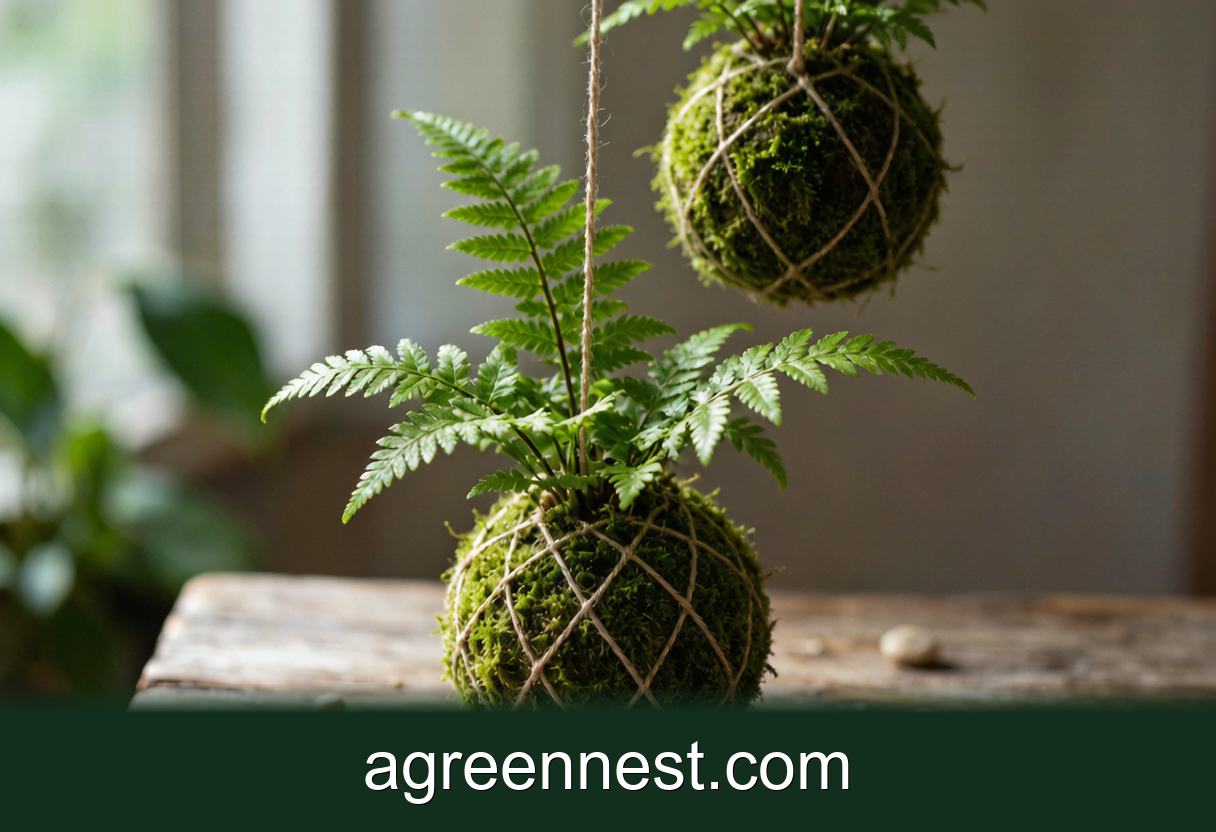
Make a Kokedama is a weekend project with real payoff. Add proper drainage, and set bright, indirect light before anything goes in the soil. Check that it is level, seal any wood, and test the fit with an empty pot first, so small build steps now save a lopsided result later.
Kokedama is the Japanese moss ball that turns a normal houseplant into a hanging sculpture with no pot at all. Plan on under 15 dollars for a full build if you already own the plant, since that beats buying a finished ball. This guide keeps the build simple and the aftercare light, so the result looks like art and stays alive. You need no special skill, just wet hands and ten minutes of patience.
What You Need
Pick a small, tough plant such as a Pothos, a Peperomia, or a small fern. Pothos is Epipremnum aureum and the Boston fern is Nephrolepis exaltata, both happy in a ball. Mix bonsai soil or a blend of potting soil plus clay, about 2 parts soil to 1 part clay (cat litter works as the clay). Buy sheet moss from a garden shop, not the craft kind, and grab twine or jute string. Finish the list with a bowl of water and a tray, because no drill, no pot, and no shelf are required. Moss runs 5 to 8 dollars and twine another 3 dollars, so the math stays small. Most of these plants like soil near pH 6.0 to 6.5, and the clay mix holds that range without a test kit. Plants around 10 cm tall are the sweet spot, because a larger ball gets heavy and swings on the string.
What Light Does It Need?
Bright indirect light for 4 to 6 hours keeps the moss green and the leaves full. Direct sun through a south window scorches both, so hang the ball 30 to 60 cm back from the glass. Dim corners slow growth but will not kill a pothos, and the full low-light list shows which plants suit a weak spot. Turn the ball a quarter turn each week so one side does not brown from the sun. If the ball sits on a shelf, rotate it so the moss wears evenly and no side browns.
How Do You Prep the Materials?
Soak the moss in water for 10 minutes so it turns pliable and easy to shape. Mix the soil and clay with a little water until the mass holds together like stiff dough but is not sticky. If it crumbles, add water one teaspoon at a time until it binds. Dry-fit your hands around the mix before the plant goes in, since a too-wet ball will slump and a too-dry one will crack. Aim for a ball about 10 to 12 cm across for a small plant. Wet hands shape the clay far better than dry ones, so keep a small cup of water beside you.
How Do You Build the Moss Ball?
Remove the plant from its pot and gently shake most of the old soil from the roots. Roll the soil mix into a ball about 10 cm across, smaller for a small plant, then press a hole and tuck the roots inside. Close the ball around the base of the stem so the plant stands firm. Squeeze excess water from the moss and lay it over the ball, patting it on like a coat and overlapping the edges. Wrap twine around the moss ball in a criss-cross, add a couple of loops around the top where the plant comes out, and tie off. String holds the moss on, so pull it snug but never tight enough to cut the moss. Hang it by a long string or rest it in a shallow dish. Test the hang by lifting the string; the ball should feel balanced, not lopsided. Press the moss firmly so it grips the soil before the final tie.
Aftercare for the Moss Ball
Balls dry out faster than a pot, because no plastic holds moisture. Dunk the whole ball in a bowl of water for 5 to 10 minutes once a week in summer, let it drip dry, then rehang. In winter, soak every 10 to 14 days. Keep the room near 21 to 24°C, which is 70 to 75°F, and move the ball to bright indirect light if the moss browns at the edges. That same full low-light list shows which plants suit a dim corner if your spot is weak. After a dunk the ball should feel heavy, and that weight is your signal it drank enough. Brown moss recovers in a day once you bump the soak to twice a week in dry homes.
Which Plants Survive a Kokedama Best?
Trailing, tough types win every time. Pothos, Philodendron, Peperomia, and small ferns all cope with the wet root ball. Skip succulents, because they hate constant moisture at the roots and will rot within days. Philodendron (Philodendron hederaceum) and peperomia (Peperomia obtusifolia) are the safest starters after pothos, since both shrug off a missed soak. Ferns love the humidity of a damp ball, so a small Boston fern is a strong second choice.
Can You Hang It Outside?
In shade, briefly, during warm weather above 15°C (59°F), but bring it in before cool nights drop below 10°C (50°F). Treat a kokedama as an indoor piece, so any outdoor trip is a short visit, not a home. Wind also swings the ball and can snap the twine, so a sheltered porch is the limit. Rain on the moss is fine for an hour, but standing water in the dish will sour the soil. Bring it in before the temperature drops, even on a warm evening.
Frequently Asked Questions
How often do I really water it?
Summer means a weekly dunk, and winter means every 10 to 14 days. Lift the ball to judge, because light means dry and heavy means wet.
Won't the string rot?
Jute can, over the course of a year. Use waxed twine or check and re-tie yearly, and the moss lasts longest if you never let it fully dry out.
Why is my moss turning brown at the edges?
It is too dry or sitting in too much sun. Move the ball to bright indirect light and keep the soaks regular, and the green returns within a week.
Kokedama is the rare project that costs less than buying a planted ball and satisfies more. Start with a pothos you already own, and if the first one is lopsided, the second will be great, because the moss hides most mistakes anyway. Once you have one, the propagation station is the natural next build, and your spare cuttings finally have a home.
Recommended Tools for DIY Plant Projects Care
Free, no-signup helpers matched to this guide.
Free Ebooks to Explore
Downloadable handbooks — no email required.
Free Ebook
The AGreenNest Succulent Care Handbook
The complete, beginner-to-confident guide to growing fat, happy succulents — 10 chapters and a 20-plant directory.
Free Ebook
Haworthia & Haworthiopsis Care Handbook
A focused guide to the striped, forgiving Haworthia clan.
Sources & further reading
GreenNest authors research and write every guide independently. The external links below are reputable references we recommend for deeper reading — they are not the sources we copied from.
- Aggie Horticulture (Texas A&M) — Texas A&M AgriLife
- University of Minnesota Extension — U Minnesota Extension
- UA Controlled Environment Agriculture Center — U Arizona CEAC
Share Your Plant Story
Grown something tricky, or found a trick that finally worked? Tell us in the comments, or see what other readers are sharing on our Community page. The best reader tips get folded back into our guides.
Join the Conversation
Have a tip or a question about Make a Kokedama: The Hanging Moss Ball? Share it below — comments are saved on our server.