 AGreenNest
Succulent Care
Gasteria Care Guide (Gasteria batesiana)
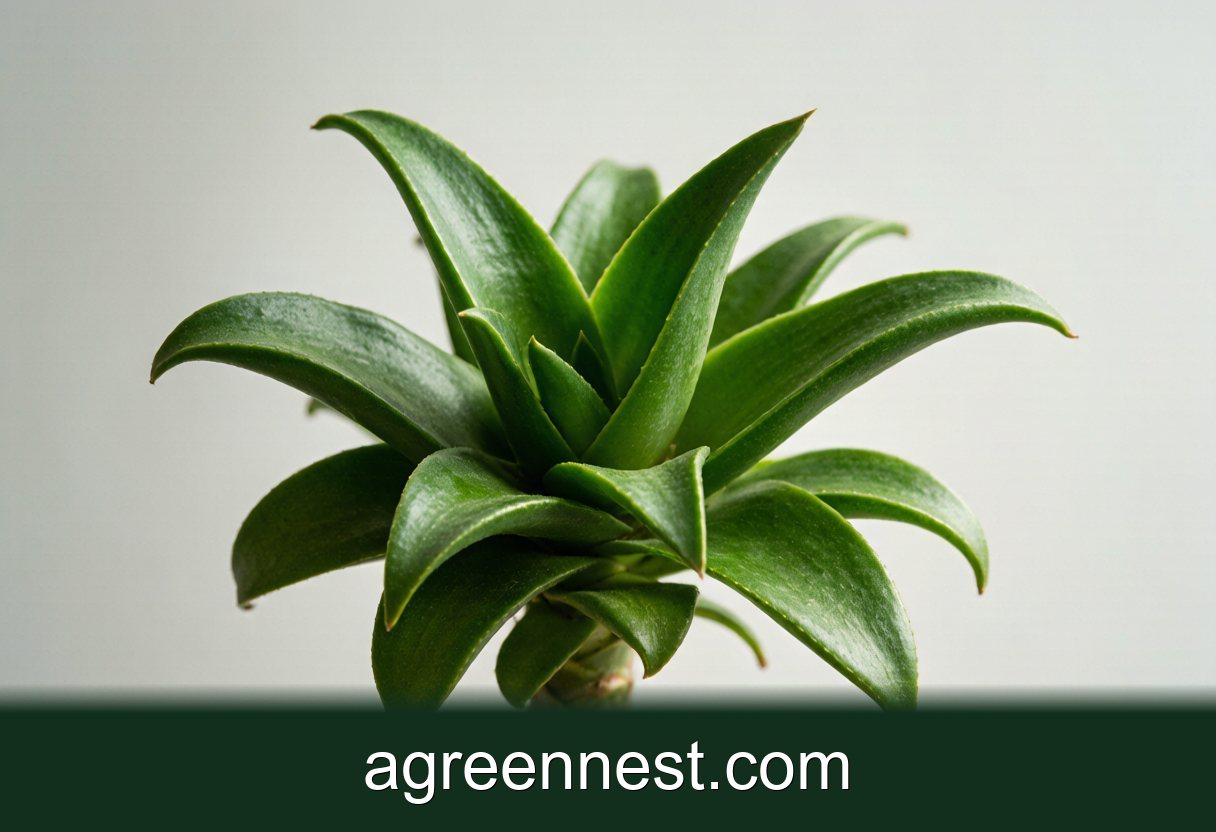
The secret to a happy Gasteria Care Guide (Gasteria Batesiana) is restraint. Place it in bright, indirect light, then wait until the soil is bone dry before watering (18 days between waterings). Use a lean, sandy soil and a porous pot so excess moisture escapes fast and rot never gets started.
Gasteria at a Glance
| Care factor | What Gasteria wants |
|---|---|
| Light | low to bright indirect light; keep it out of hot, direct sun |
| Water | water deeply only when the soil has dried out completely, roughly every 18 days in the growing season, and far less in winter |
| Temperature | comfortable around 50 to 82°F, or 10 to 28°C |
| Humidity | average home humidity is fine |
| Soil | a gritty, free-draining succulent mix |
| Difficulty | very easy, great for beginners |
| Pet safe | yes, it is generally regarded as pet-safe |
Gasteria batesiana was my first real succulent, and it remains the one I recommend to nervous beginners. The rough, tongue shaped leaves take almost no direct sun, which makes it perfect for the dim corner where other plants give up. The name comes from the stomach shaped flowers that nod on slender stalks in late spring.
People assume succulents need blasting sun and daily attention. This one breaks both rules. It is content in a shaded room and forgives the occasional missed watering, which is exactly why it suits a busy household with uneven routines. A calm plant like this builds confidence faster than any demanding specimen.
Light Needs
Gasteria wants low to bright indirect light and should be kept out of hot, direct sun. An east window is lovely, and a few feet from a bright south window works too. The leaves will scorch to a red brown if the summer sun finds them through glass, so I keep mine behind a sheer curtain in July and August.
If your plant looks dark green and flat, it is probably happy. A little blush on the leaf edges is fine. What you want to avoid is the bleached, washed out look that means too much light. Move it back a foot or two and it usually recovers within a few weeks, with new growth coming in a deeper shade.
How Often Should You Water It?
Water deeply only when the soil has dried out completely, roughly every 18 days in the growing season, and far less in winter. In my home that means a good soak every two to three weeks from spring into early autumn. When the days shorten I drop to once every four or five weeks, and I skip watering entirely if the room is cool and the leaves still look plump.
The lift test is my favourite check. Pick up the pot. A dry plant feels surprisingly light, while a freshly watered one has real weight. After a while you learn the difference by feel, which spares the plant from soggy roots. I pair this with a glance at the leaf base, where slight wrinkling is the last gentle warning before trouble starts.
Soil and Pot
Use a gritty, free-draining succulent mix. I combine 1 part perlite to 2 parts potting soil, then stir in a handful of coarse sand for extra drainage. A pot with a real drainage hole is non-negotiable. Sitting in water is the fastest way to lose a Gasteria, because the short roots rot quickly once they sit cold and wet.
A porous pot helps the mix breathe. I lean toward unglazed terracotta in a modest size, one that holds the root ball snugly without extra room. Resist the urge to repot often. These plants flower better when slightly tight, and a too large container only keeps the soil wet longer than the roots can drink.
What Temperature Does It Like?
It is happiest between 50 and 82°F, or 10 to 28°C. Average home humidity is fine, so no humidifier is required. My own plant lives in a living room that hovers near 68°F in winter and 74°F in summer, and it has never shown stress. Just shield it from cold drafts and the chill of a windowpane on freezing nights.
If you summer it outdoors, bring it in before temperatures fall below 50°F, or 10°C. A week of gentle shade eases the move from indoor light to the brighter garden. Unlike desert cacti, this plant enjoys a cool rest in winter, which sets it up to bloom the following spring.
How to Propagate Gasteria
The easiest method is with an offset pup pulled from the base. These small rosettes cluster at the mother's side and root with little fuss once detached. Let the broken end dry for a day or two, then rest it on dry soil and mist lightly until roots form. A single leaf laid flat on dry soil also works, though it is slower and needs patience from the grower.
I start pups in late spring when warmth speeds rooting. Within three to four weeks tiny white roots appear, and I then move the pup into its own small pot. Keep new plants out of strong sun until they are established, since young leaves burn easily and a scorched start sets them back.
Common Problems and Fixes
Leaning or stretched growth means it wants more light. Move it brighter or add a grow light, and the new leaves will grow upright. Mushy, yellow leaves at the base point to overwatering. Let the soil dry out completely and check the roots for dark, soft sections, trimming any you find. Brown, crispy edges usually signal low humidity or salt build up from fertilizer. Flush the soil with plain water every few months and feed lightly.
Frequently Asked Questions
Q: How often should I water Gasteria?
A: Water deeply only when the soil has dried out completely, roughly every 18 days in the growing season, and far less in winter. The lift test helps you judge by weight rather than by a fixed date.
Q: Is Gasteria safe for pets?
A: Yes, it is generally regarded as pet safe, though I still place it where a playful dog cannot knock the pot.
Q: Why are the leaves changing colour?
A: A little colour shift with the seasons is normal. Dramatic scorch means too much direct sun, while fading to plain green means it wants more light.
Gasteria rewards a little attention with years of easy beauty. It was the plant that convinced me I could keep succulents at all, and it still greets me by the window each morning. For a personalised schedule, try our free watering calculator and pair it with the light calculator to pick the perfect spot. Start with one, and you may well end with a shelf of them.
Sources & further reading
GreenNest authors research and write every guide independently. The external links below are reputable references we recommend for deeper reading — they are not the sources we copied from.
- Clemson Home & Garden Information Center — Clemson Extension
- Missouri Botanical Garden — Missouri Botanical Garden
- Royal Horticultural Society — Houseplant care — RHS
Recommended Tools for Succulent Care
Free, no-signup helpers matched to this guide.
Free Ebooks to Explore
Downloadable handbooks — no email required.
Free Ebook
The AGreenNest Succulent Care Handbook
The complete, beginner-to-confident guide to growing fat, happy succulents — 10 chapters and a 20-plant directory.
Free Ebook
Haworthia & Haworthiopsis Care Handbook
A focused guide to the striped, forgiving Haworthia clan.
Share Your Plant Story
Grown something tricky, or found a trick that finally worked? Tell us in the comments, or see what other readers are sharing on our Community page. The best reader tips get folded back into our guides.
Join the Conversation
Have a tip or a question about Gasteria Care Guide (Gasteria batesiana)? Share it below — comments are saved on our server.