 AGreenNest
Succulent Care
Echeveria Care: 6 Species for Beginners
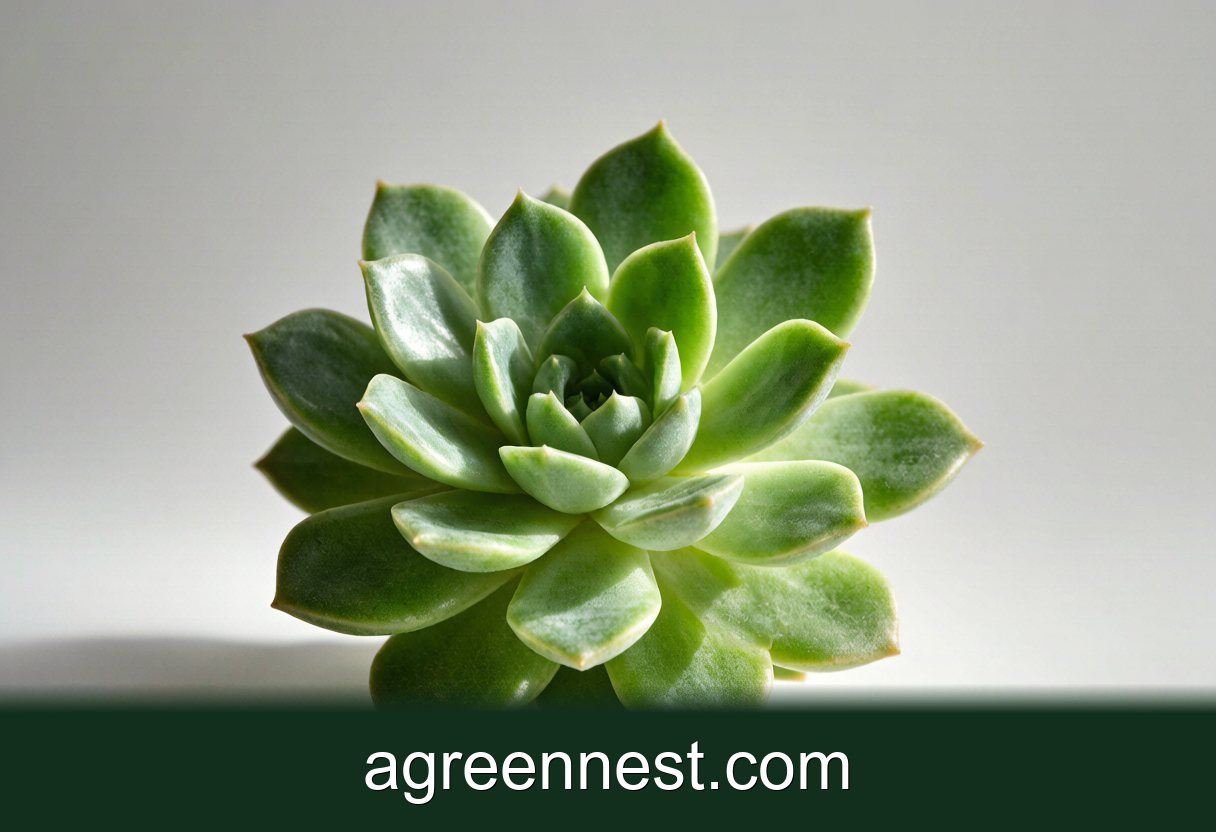
Echeveria stores moisture in its leaves, so it tolerates some neglect. Give it bright, indirect light and water only when the potting mix has fully dried out (every 2-3 weeks in summer, less in winter). Plant it in a gritty, fast-draining mix and a terracotta pot to keep the roots healthy and rot-free.
My love affair with Echeveria began on a rooftop in Lisbon. A friend handed me a pale pink rosette in a chipped terracotta pot, and I nearly killed it by keeping it too shady and too wet. That failure taught me everything I now tell new growers about this glowing genus.
These Mexican natives are built for sun and neglect. Over six years I have grown nine species, and six of them have earned a permanent spot on my brightest sill. They ask for very little, but they ask for it consistently, which is a bargain for a busy person.
If you want colour, structure, and a plant that forgives the occasional holiday, Echeveria is the answer. The trick is understanding that a happy rosette is a tight one, and a tight rosette needs more light than most flats can provide without a little help from a window or a lamp.
Why Do Echeveria Love the Sun?
Echeveria evolved on rocky Mexican slopes where the sun is relentless. Their leaves pack a waxy coating that protects them from burning while still soaking up light. Give them four to six hours of bright light daily, and the rosettes stay low and symmetrical instead of reaching.
A plant starved of sun does the opposite. It stretches, a process growers call etiolation, and the once tight centre pulls apart into a sad elongated neck. I watched a Echeveria elegans do exactly that on a north facing shelf one grey winter, and it took the whole spring to recover.
Temperature matters too. Daytime warmth of 68 to 80°F (20 to 27°C) suits them, with nights that dip to 50°F (10°C). That cool swing is what intensifies the red tips on many varieties, so a slightly chilly bedroom windowsill can be perfect for colour.
The Six Species Worth Growing
Six members of this genus cover every colour mood I could want, from icy blue to fiery red tipped green, and each earns its place through toughness as much as looks.
Mexican Snowball, Echeveria elegans, forms tight pink edged rosettes that stay most compact in the strongest light. It is the one I recommend to absolute beginners because it is nearly bulletproof and recovers from most mistakes.
Topsy Turvy, Echeveria runyonii, curls its leaves upward and inward, which looks strange at first. That curl is normal and not a problem, so do not panic when you see it on a healthy plant.
Painted Echeveria, Echeveria pulidonis, blushes red only under bright light. Pale green leaves are a clear signal to give it more sun, and the colour returns within three weeks of better placement.
Mexican Firecracker, Echeveria setosa, wears fuzzy white hairs that trap morning dew. Keep water off those leaves to avoid rot, because the fuzz holds moisture against the skin of the plant for hours.
Ghost Echeveria, Echeveria lilacina, is pale and almost translucent, which means it scorches easily. Bright indirect light is the safest home for this one, behind a sheer curtain that cuts the midday glare.
Lipstick Echeveria, Echeveria agavoides, earns its name from red leaf tips that sharpen with cooler autumn nights. It is the showstopper of my collection every October when the temperatures begin to fall.
How Often Should You Water an Echeveria?
Every ten to fourteen days in summer keeps most rosettes plump. In winter I cut that to once every three to four weeks, because growth slows and the soil stays damp far longer in cool air.
The soak and dry method is the only one I trust. Water until it runs from the drainage hole, then walk away until the pot is light again. A 4 inch pot typically needs about 120 millilitres of water, while a 6 inch pot takes closer to 300 millilitres.
I avoid misting these plants entirely. Trapped moisture in the rosette centre invites rot and a condition called stem rot that can fell a healthy plant in under a week. Bottom watering from a tray for twenty minutes works better if you are nervous about splashing the leaves.
What Light Brings Out the Best Colour?
Direct morning sun is the secret. Two to three hours of gentle east facing light wakes up the pigments without scorching the leaves. The rest of the day can be bright indirect, which most homes manage near a south or west window with a curtain.
Weak light produces weak colour. A Echeveria agavoides kept indoors with no direct sun stays plain green, and you lose the lipstick tips that make it special. I rotate my pots a quarter turn each week so all sides colour evenly and the rosette does not lean toward the glass.
Grow lights help in dark winters. I run a full spectrum LED for twelve hours a day from November through February, positioned about 12 inches above the plants. That single lamp kept my collection from stretching during the gloomiest three months last year.
How Do You Keep Them From Stretching?
Catch stretching early by watching the centre. When the new leaves emerge spaced wider than the old ones, the plant is reaching for light and you should move it closer to the window within a day or two.
Prune leggy growth by beheading the rosette. Cut the stem an inch below the crown, let the cut callus for three days, then replant it in dry gritty mix. The bare stalk below often sprouts pups, giving you two plants where there was one before.
Offsets are the easy win. Most of my Echeveria elegans produced three to five pups each spring, and I pot those up in 3 inch containers with a 60 percent pumice blend. Within eight weeks they are independent little rosettes ready to gift to a friend.
Frequently Asked Questions
Q: Which Echeveria is easiest to start with?
A: Mexican Snowball wins for most newcomers. Echeveria elegans shrugs off beginners mistakes and roots from a single leaf in about five weeks.
Q: Can these six share one pot?
A: Yes, provided the container drains and sits in strong light. They share the same water needs, which keeps care simple and predictable.
Q: Why are my leaves losing their colour?
A: It is almost always light. Move the rosette into brighter sun for a few hours each morning and the tint returns within two to three weeks.
A genus collection is the fastest way to learn one plant family deeply. Start with a Echeveria elegans, add the showier types as your light allows, and let the light calculator place each rosette where it will glow. Your windowsill will never look the same.
Sources & further reading
GreenNest authors research and write every guide independently. The external links below are reputable references we recommend for deeper reading — they are not the sources we copied from.
- NC State Extension — Plant Toolbox — NC State Extension
- Clemson Home & Garden Information Center — Clemson Extension
- Aggie Horticulture (Texas A&M) — Texas A&M AgriLife
Recommended Tools for Succulent Care
Free, no-signup helpers matched to this guide.
Free Ebooks to Explore
Downloadable handbooks — no email required.
Free Ebook
The AGreenNest Succulent Care Handbook
The complete, beginner-to-confident guide to growing fat, happy succulents — 10 chapters and a 20-plant directory.
Free Ebook
Haworthia & Haworthiopsis Care Handbook
A focused guide to the striped, forgiving Haworthia clan.
Share Your Plant Story
Grown something tricky, or found a trick that finally worked? Tell us in the comments, or see what other readers are sharing on our Community page. The best reader tips get folded back into our guides.
Join the Conversation
Have a tip or a question about Echeveria Care: 6 Species for Beginners? Share it below — comments are saved on our server.