 AGreenNest
Succulent Care
Bear's Paw Care Guide (Cotyledon orbiculata)
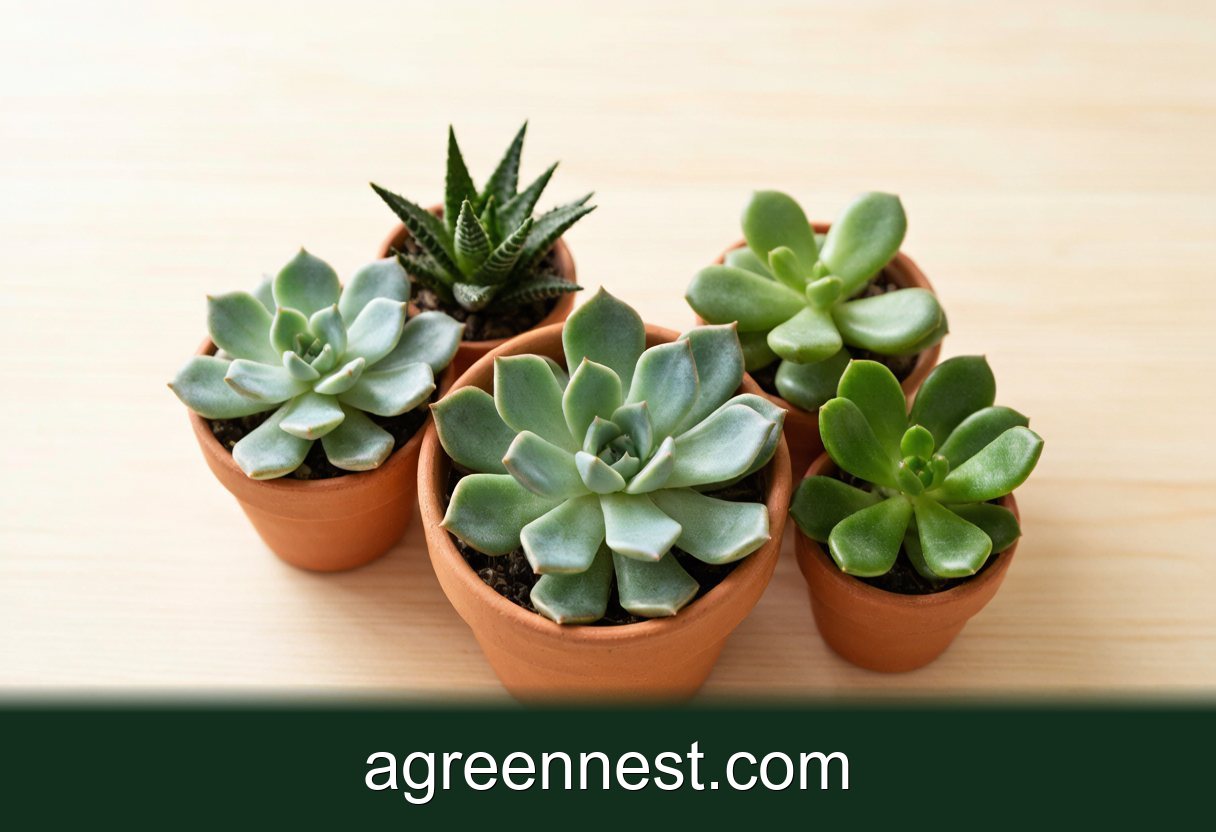
If you are new to Bear's Paw Care Guide (Cotyledon Orbiculata), keep it simple: a few hours of direct sun, and water sparsely. These plants hate wet feet, so always let the soil dry completely between drinks (16 days between waterings). A shallow terracotta pot with gritty soil is the safest setup, and a bright windowsill does the rest.
Bear's Paw at a Glance
| Care factor | What Cotyledon orbiculata wants |
|---|---|
| Light | bright light with some direct sun for best colour |
| Water | a deep soak roughly every 16 days in summer, far less in winter |
| Temperature | comfortable between 45 and 78°F, or 7 and 26°C |
| Humidity | dry air is fine |
| Soil | a gritty, free-draining succulent mix |
| Difficulty | straightforward with the basics right |
| Pet safe | no, keep it away from cats and dogs |
Cotyledon orbiculata charms every visitor with leaves tipped by three little teeth that look like tiny toes. Each plump pad stores water, so the plant shrugs off the occasional missed watering. New succulent fans love how forgiving it feels compared with fussier cousins. Expect a compact mound that stays under a foot tall in most pots. The fuzzy surface catches morning light and shows off a soft, silvery sheen. Bright windowsills turn those leaf tips a cheerful reddish colour through the year. Several pots lined along a shelf make a cheerful, low effort display that brightens any room.
What Light Does a Bear's Paw Need?
Give it the brightest spot you can, with a few hours of direct sun each day. In my own apartment, the plant lives on a south sill and blushes pink at the leaf edges within a fortnight. Too little light makes the stems stretch and the toes shrink, which looks leggy and sad. Grow lights supplement dim winter rooms and keep the shape tight. Rotate the pot weekly so every side receives equal sun and grows evenly. Close relatives like Crassula ovata enjoy the same bright treatment, so they make friendly neighbours on a sunny shelf.
How Often Should You Water a Bear's Paw?
Let the soil dry completely before the next thorough soak, roughly every 16 days in the growing season. Most homes water far less from November through February, when the plant rests. When you do water, soak the root ball and let every drop drain from the pot within minutes. Soggy soil is the enemy here, causing the base to rot from the centre outward. If the leaves look thin and wrinkled, that is a clear thirst signal to act. Your careful finger test beats any fixed calendar, because indoor warmth varies room to room.
Soil, Pot, and Feeding
Shallow terracotta pots pair perfectly with this shallow rooted species. Use a gritty, free-draining succulent mix, aiming for a 1:4 ratio of compost to perlite so water vanishes fast. Choose a container only slightly larger than the root ball to avoid trapped moisture. During spring and summer, apply a cactus fertilizer such as 10-20-10 at quarter strength every four weeks. Skip feeding in the cold months, since the plant barely grows and ignores extra food. Repot every two to three years, or whenever the mound outgrows its shallow home. Unglazed clay sides wick moisture away from the roots and keep the mix airy.
Why Are the Leaf Tips Turning Red?
Mild red flushing on the toes is a happy sign of strong light, not a problem to fear. Move the plant to slightly less sun only if the colour deepens to brown and the pads feel scorched. Soft, mushy leaves signal overwatering, so pause and let the soil bake dry. Pale, faded pads mean the plant wants more brightness to regain its blush. A little colour change with the seasons is completely normal for this succulent. Brown crispy edges suggest dry air or salt build-up, so flush the pot with clear water every two months. Healthy plants shrug off minor dryness without complaint and bounce back after a single good soak.
How Can You Propagate a Bear's Paw?
One leaf laid on dry soil is the easiest starting point for a new plant. Let the leaf callus for two days on a dry surface so the wound seals and will not rot. Then rest it on gritty mix and mist lightly only when the soil feels bone dry. Stem cuttings also root well, especially a tip with two or three healthy pads attached. Keep the young plant in bright, indirect light while roots form over three to five weeks. Within a season you will have a small clone to pot up or share.
When Should You Move It Outdoors?
Summer outdoors suits this succulent, provided you avoid harsh midday exposure. Harden it off over ten days by increasing sun a little each afternoon. Place the pot in dappled shade rather than full blast, which would scorch the tender pads. Bring it back inside before the first cool night below 45°F, or 7°C, to avoid chill damage. A sheltered patio gives the brightest gentle light without the risk. Watch the forecast closely, because a surprise cold snap ruins a healthy plant overnight.
Frequently Asked Questions
How do I keep the leaf tips plump?
Water only after the soil dries fully, roughly every 16 days in summer, and give bright light so the pads stay firm and blushed.
Is *Cotyledon orbiculata* safe around pets?
No. The sap can irritate cats and dogs if chewed, so site it on a high shelf they cannot reach.
Can Bear's Paw survive low light?
It tolerates brief dim spells, but lasting shade makes the stems stretch and the toes shrink, so return it to brightness soon.
This Bear's Paw proves that small succulents deliver big charm on a sunny sill. Give it gritty soil, a bright spot, and a light watering hand, and it will reward you with plump, blushed pads. For a tailored schedule, try our free watering calculator and pair it with the light calculator to find the perfect spot.
Sources & further reading
GreenNest authors research and write every guide independently. The external links below are reputable references we recommend for deeper reading — they are not the sources we copied from.
- Royal Botanic Gardens, Kew — Kew Gardens
- Cornell Garden-Based Learning — Cornell University
- Missouri Botanical Garden — Missouri Botanical Garden
Recommended Tools for Succulent Care
Free, no-signup helpers matched to this guide.
Free Ebooks to Explore
Downloadable handbooks — no email required.
Free Ebook
The AGreenNest Succulent Care Handbook
The complete, beginner-to-confident guide to growing fat, happy succulents — 10 chapters and a 20-plant directory.
Free Ebook
Haworthia & Haworthiopsis Care Handbook
A focused guide to the striped, forgiving Haworthia clan.
Share Your Plant Story
Grown something tricky, or found a trick that finally worked? Tell us in the comments, or see what other readers are sharing on our Community page. The best reader tips get folded back into our guides.
Join the Conversation
Have a tip or a question about Bear's Paw Care Guide (Cotyledon orbiculata)? Share it below — comments are saved on our server.